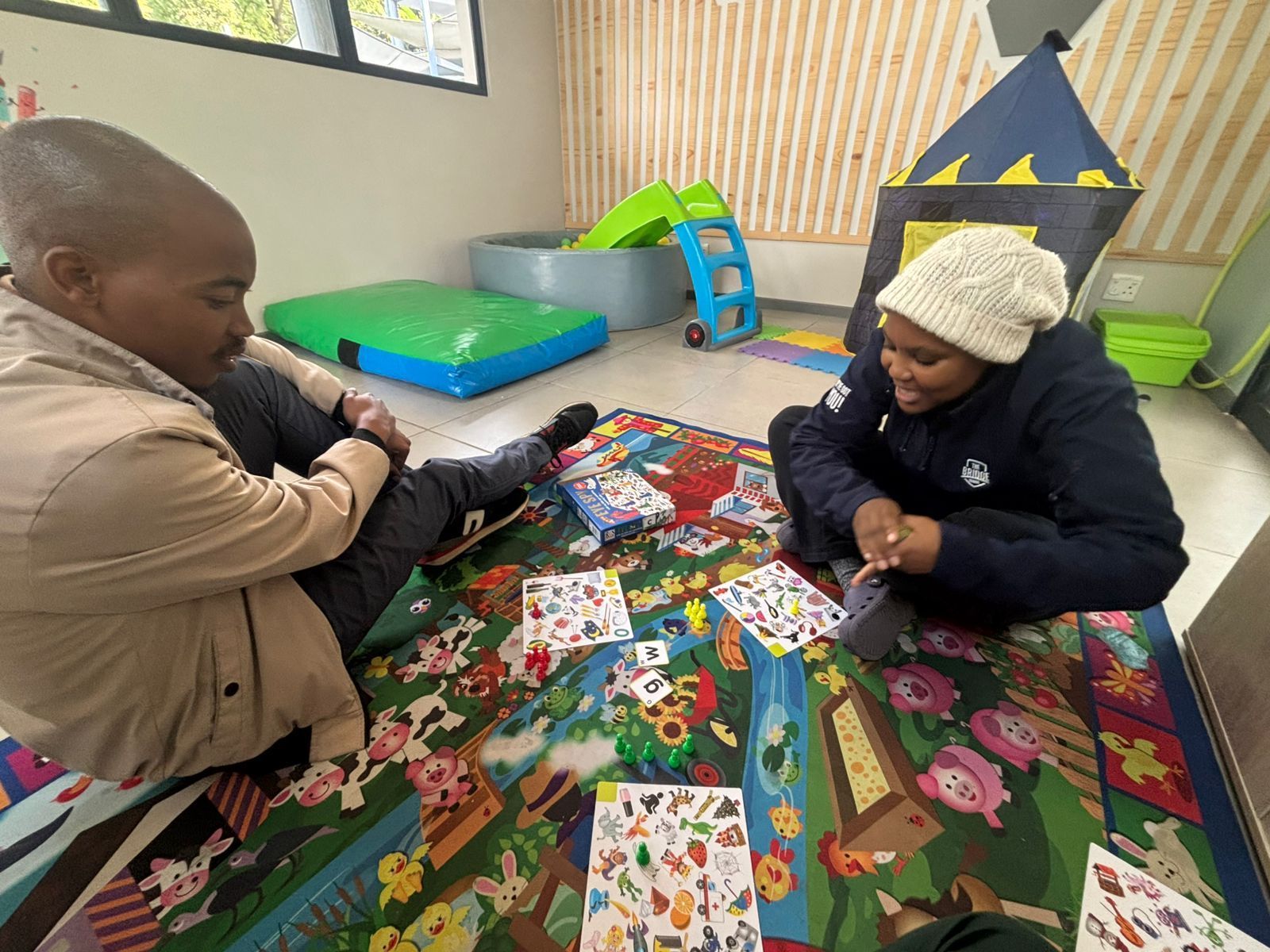
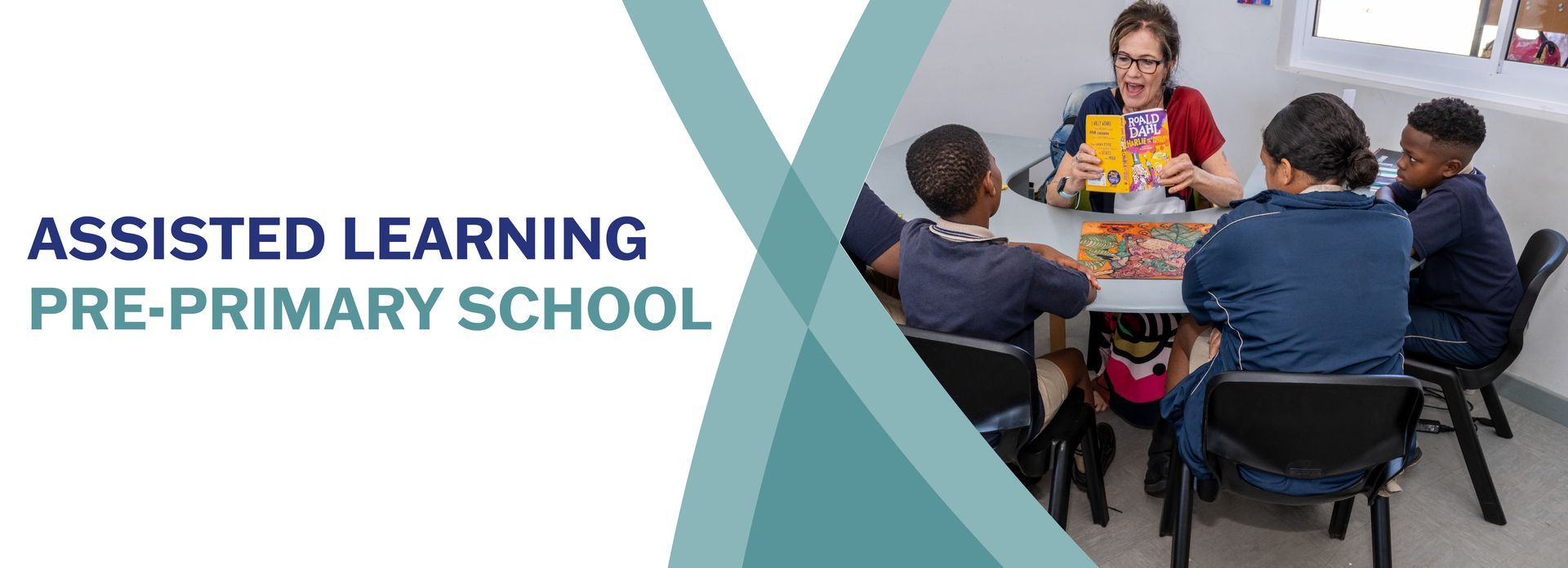
We believe in providing a safe and exciting learning environment for students identified with learning barriers at the pre-school level. Our Grade 0 classes allow students to be a part of a small classroom environment. It is essential that students have good self-esteem, confidence, and solid foundations to set them up for a successful learning journey.
We focus on a differentiated, inquiry-based learning environment where the students are taught to be free, critical, and creative thinkers. Therapies are provided, and a multi-disciplinary team works closely (together with parents) to remediate social, emotional, and
academic gaps.
CURRICULUM OVERVIEW
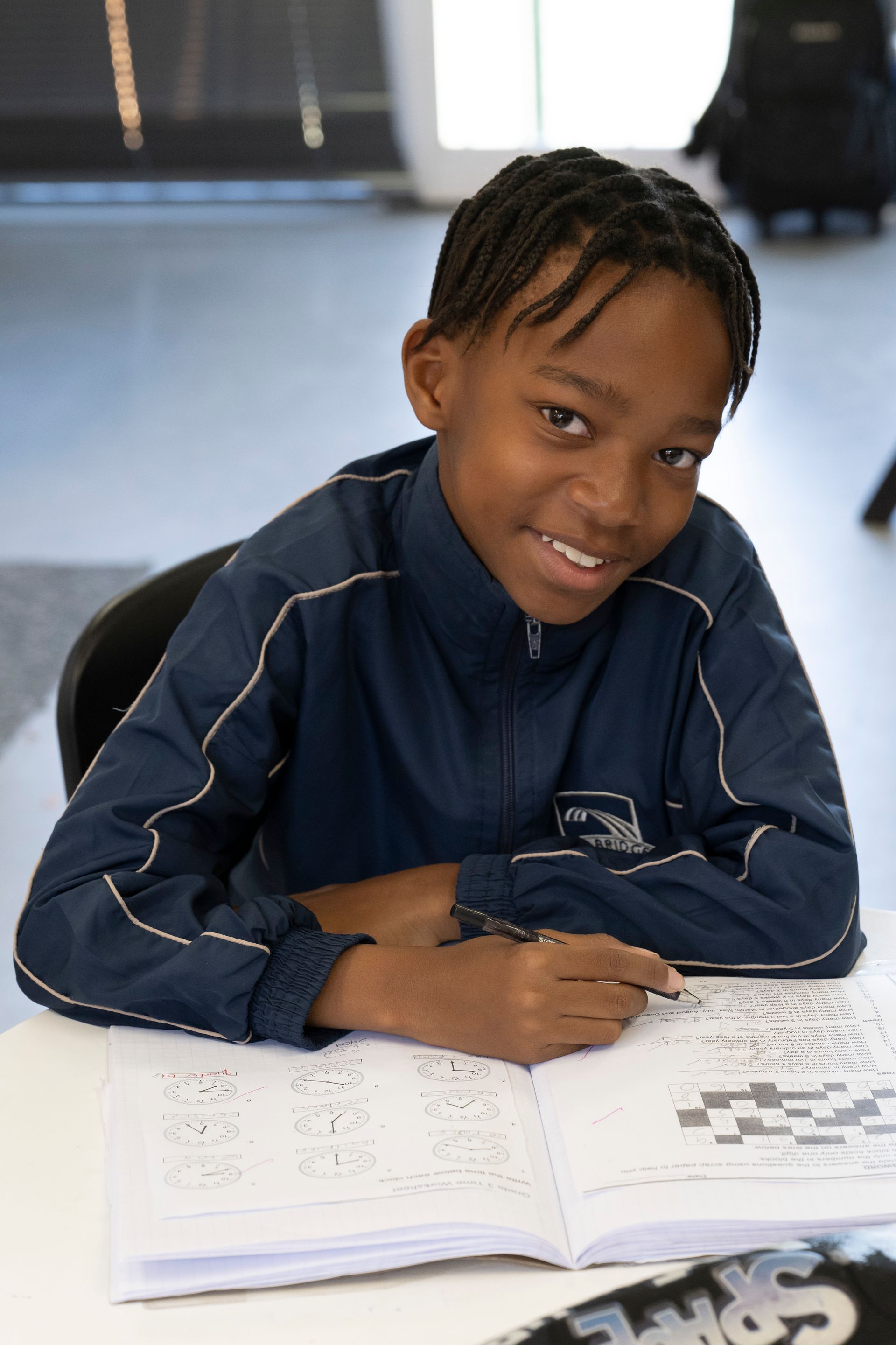
Mathematics is all around us, and we integrate it on various practical and abstract levels. We use the NUMICON theory, which uses a multi-sensory approach, so students learn about number ideas through seeing and feeling.
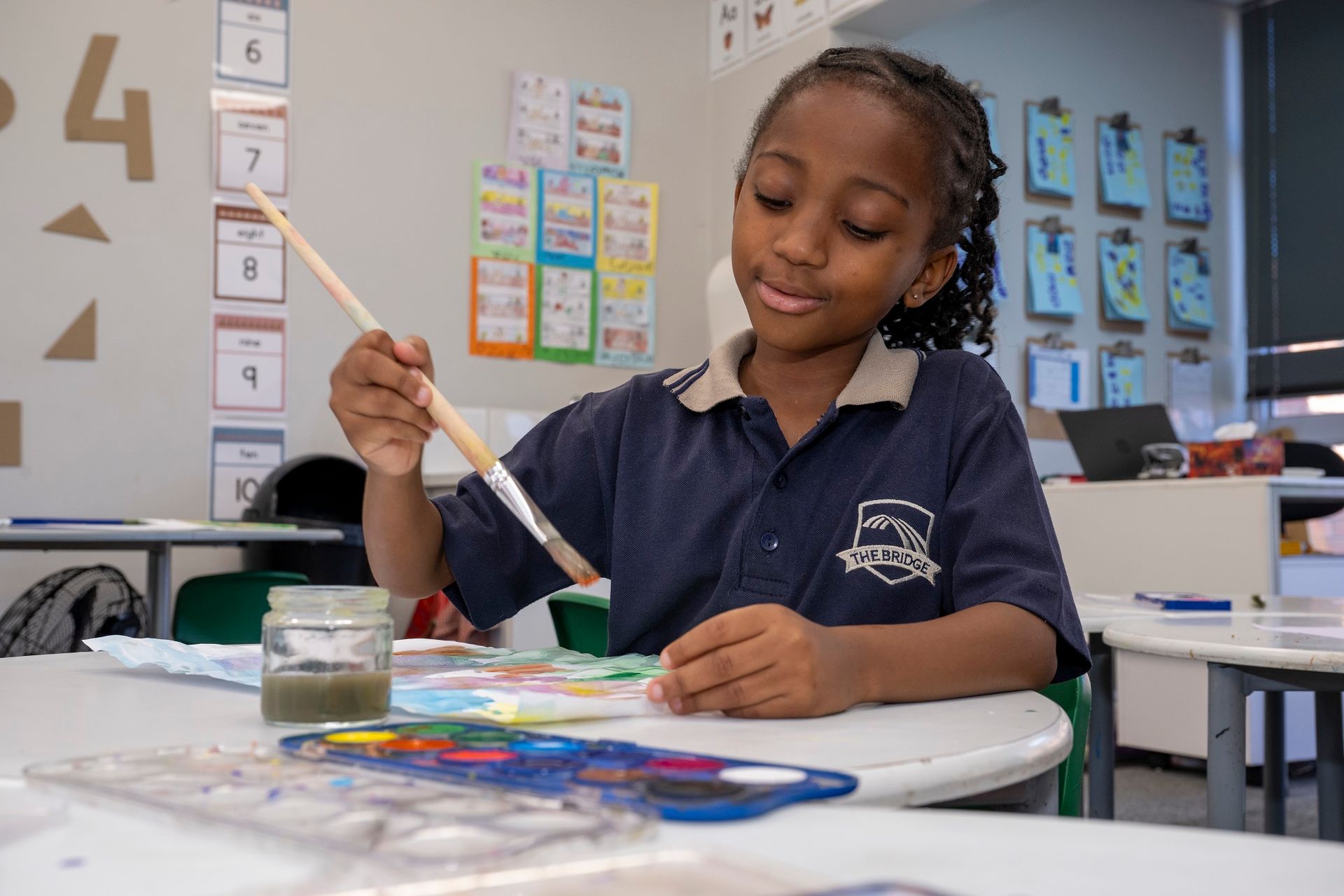
Creative arts, multi-sensory activities, and perceptual activities are part of everyday learning in class. We guide students to participate in class and interact with their peers while using the De Bono hats approach in our teaching and learning.
The students have time to take their creative play and exploration outside during an hour of free play, where there are usually at least three different stations available in addition to the Jungle Gym, swings, and grass area. All this takes place with the guidance of our Occupation Therapists.
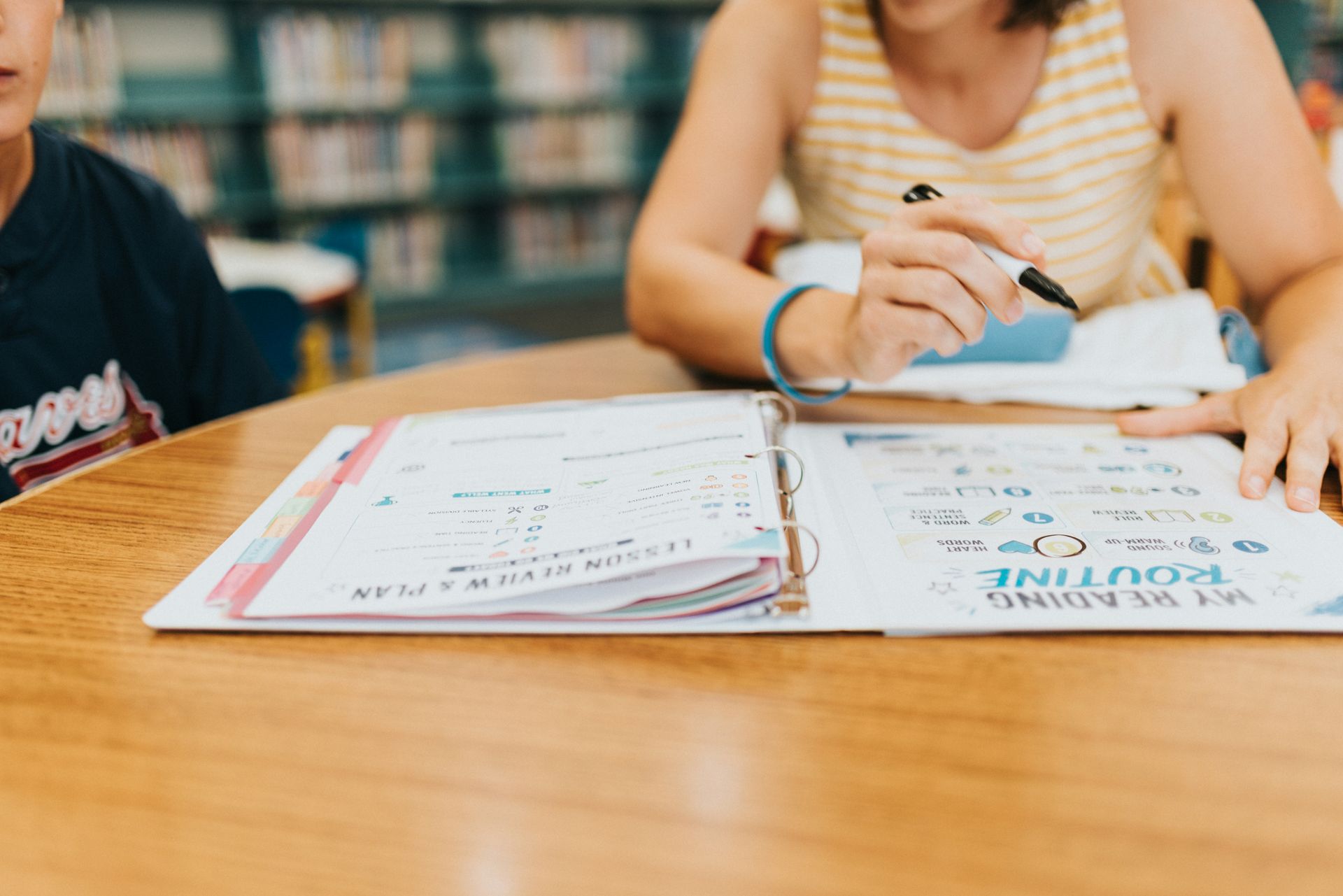
Language is an integral part of our day and starts from the moment they walk into our classes until they go home with their parents. We work together with Speech Therapists to guide the students on their individual paths. At The Bridge, we follow the Time2Read Reading approach. Reading scientists ascribe reading and spelling success to the successful implementation of sound methodologies.
The Bridge School might be the perfect fit for your child.
Structure
We offer a consistent daily programme for students to feel safe and secure. The programme involves the following:
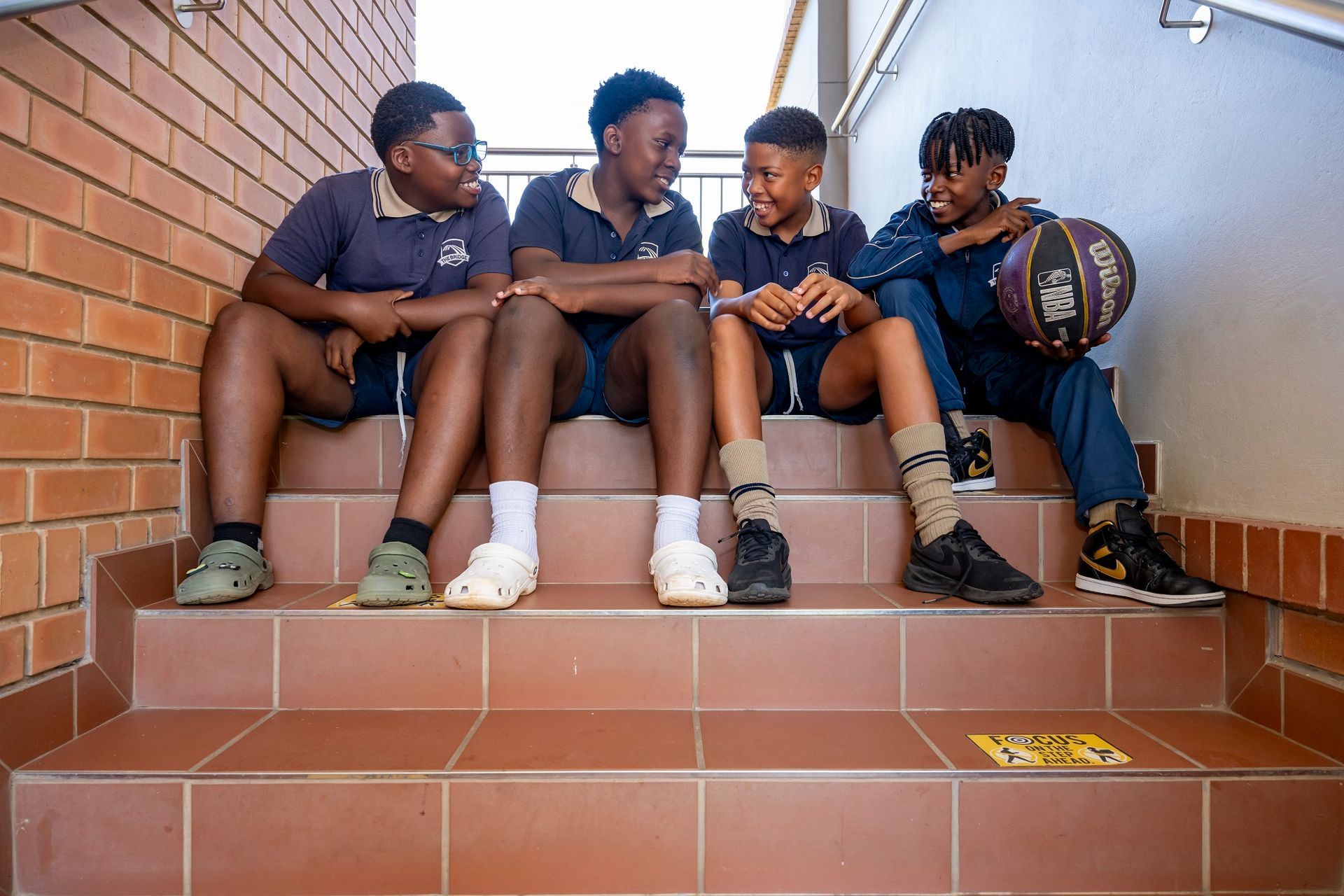
Students start the day in class with 30 minutes of free play, where exploration and creative expression are a part of the thinking process while giving them time to ease into the day for learning to take place. Movement and strengthening muscles are essential aspects for learning to take place, and, therefore, we allocate time for inside or outside gross motor activities daily. Our students also participate in PLAYBALL once a week, where coaches and teachers work together on each learner’s needs.
Enhanced Learning
Once a week, a Music lesson is hosted where the students can play African drums and other percussion instruments. We have a Zulu Teacher who teaches them a third language on an introductory level once a week, and there they are introduced to Zulu by singing, dancing, and rhyming.
Digital Literacy is presented once a week where students can work on a laptop or iPad; we also teach them coding using the Purple Mash programme and through the use of B-Bots.
Sensory Garden
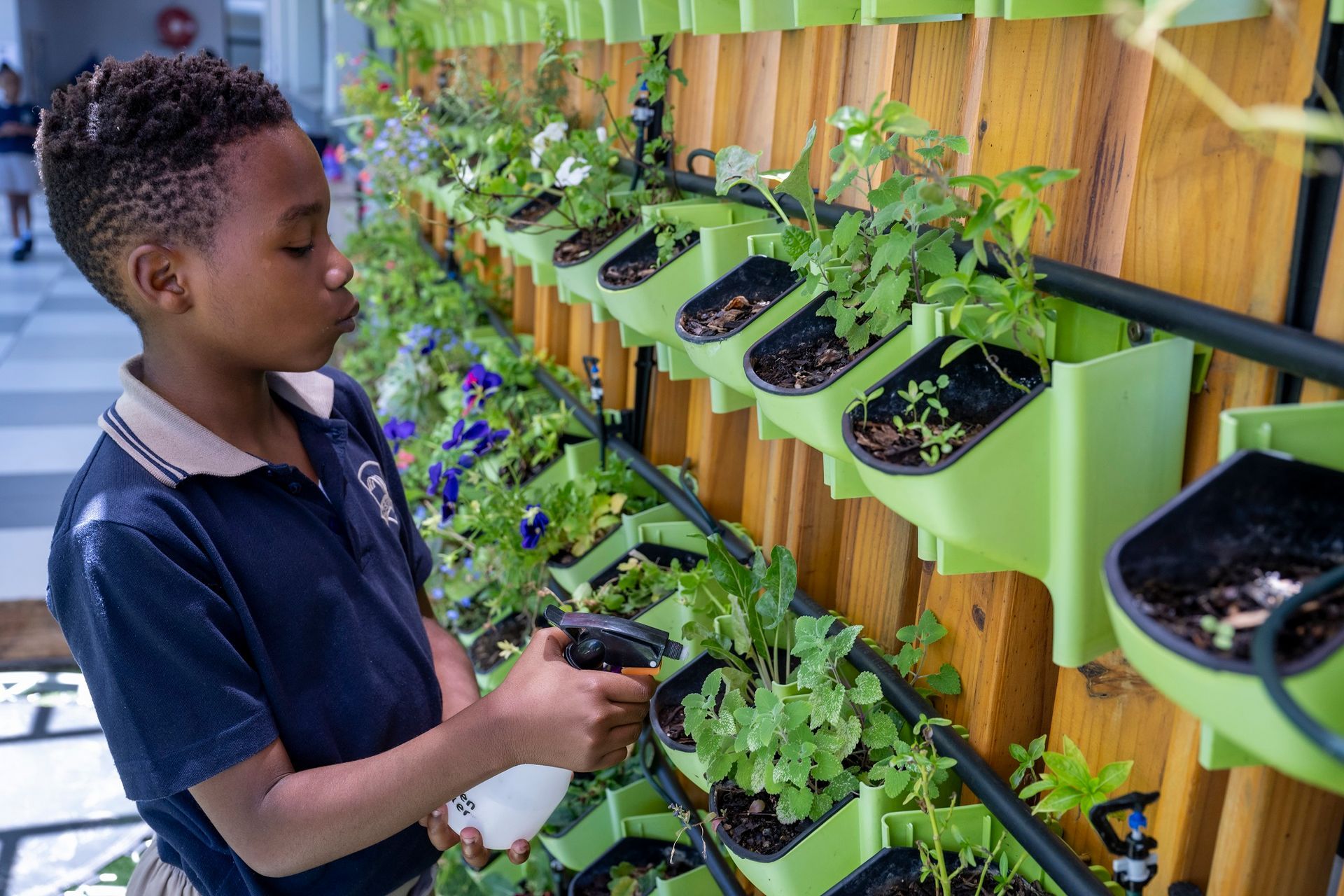
Our Sensory- and Tranquillity Gardens are available to all classes and individuals who need to calm their senses to focus on the next chapter of learning. Where necessary, we also have an Intern Educational Psychologist to help assist the students with any specific emotional needs.
RECENT BLOGS