Neurodiversity Summit: The Bridge Morningside
The Neurodiversity Summit at The Bridge Morningside brings together experts, educators, and families to explore the latest insights, strategies, and support for neurodiverse learners. Discover valuable perspectives on fostering inclusion, understanding, and success for every child.
Neurodiversity is a concept that recognises and respects neurological differences—such as autism, ADHD, dyslexia, and other cognitive variations—as natural forms of human diversity. Rather than viewing these differences as deficits, the neurodiversity paradigm promotes inclusion, understanding, and tailored support to help each learner thrive. In a school context, this means shifting from a “one-size-fits-all” model to a flexible, responsive approach that honours individual learning styles, communication needs, and emotional development.
At The Bridge School, we believe in embracing the diversity of every learner’s potential through a neurodiverse educational philosophy. Our approach includes customised learning paths that adapt teaching methods to suit individual strengths and challenges. We foster a safe, nurturing environment where students feel valued and supported, ensuring their academic, emotional, and social growth. Our dedicated team of experienced teachers and therapists works collaboratively to meet each student’s unique needs. With a multidisciplinary team—including specialist teachers, speech and occupational therapists, and educational psychologists—we offer integrated classroom support and holistic development.
We are proud to launch our very first Neurodiversity Summit—a pioneering initiative aimed at equipping educators with practical, sustainable strategies for supporting neurodiverse learners. This event served as a platform for experts in the neurodiversity space to share insights, tools, and approaches to managing emotional and behavioural challenges in inclusive classroom settings. Our goal is to create greater awareness of neurodiverse learners and highlight the innovative work happening at The Bridge School.
- The summit featured four dynamic presentations:
DIR Floortime South Africa unpacked the DIR model, sensory processing needs, and practical ways to support transitions using relationship-based interventions.
- A Parent Perspective will provide a heartfelt account of the importance of communication and collaboration between parents and educators in supporting neurodiverse learners.
- Tash Munisamy, Lead Occupational Therapist at The Bridge School, shared practical tips on emotional and behavioural management from a regulation-based perspective—including strategies for educators to enhance their own self-regulation.
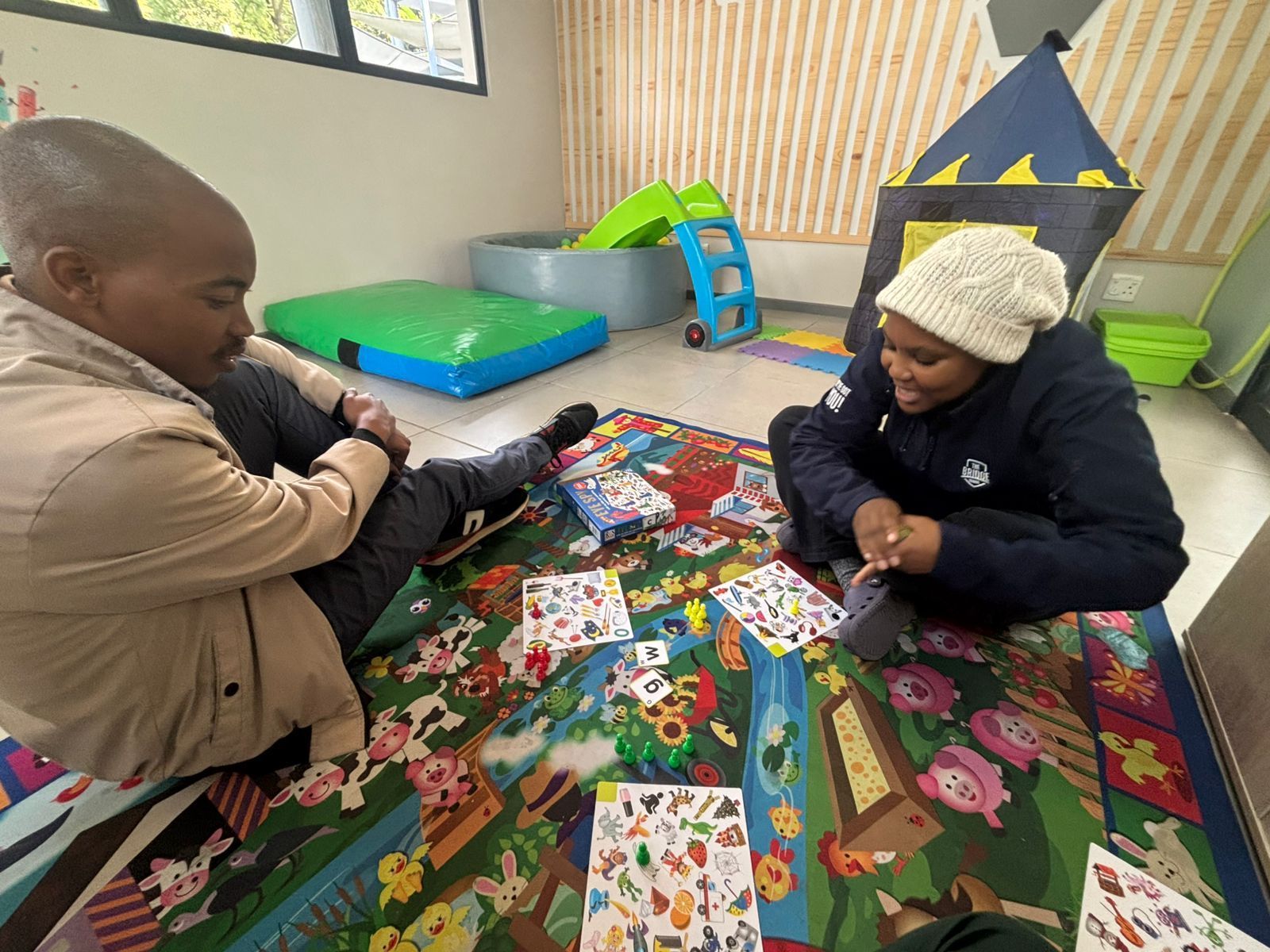
- Katlego Mantsho & Tandzile Makobe, Speech Therapists at The Bridge School, provided hands-on behavioural management strategies grounded in communication development.
With a vision to build a vibrant, supportive community, this summit delivered in it’s promise to be colourful, engaging, and deeply practical—knowledge was shared, collaboration was fostered, and inclusion was celebrated.
Key Features of The Bridge School:
- Personalised Learning Plans
- Continuous Evaluation
- Inclusive Culture