Mindfulness Practices for Neurodiverse Children: Reducing Anxiety and Building Resilience
Mindfulness can help neurodiverse children manage anxiety, improve emotional regulation, and build resilience in everyday life. Discover simple, practical mindfulness activities that support wellbeing, confidence, and a calmer approach to challenges.
Mindfulness is increasingly becoming a powerful tool for supporting emotional wellbeing in children. For learners who are neurodiverse, it can help reduce overwhelm, strengthen emotional awareness and support everyday coping skills. When introduced in flexible, accessible ways, mindfulness practices for neurodiverse children can play an important role in reducing stress while building long-term confidence and independence.
Neurodiverse children often experience the world more intensely. This can be through sensory input, emotional processing or attention differences. Supporting anxiety reduction in children early can help build strong foundations for learning, relationships as well as self-esteem.
Understanding Neurodiversity and Anxiety in Children
Neurodiversity is the natural differences in how brains process information. This can include autism, ADHD and sensory processing differences.
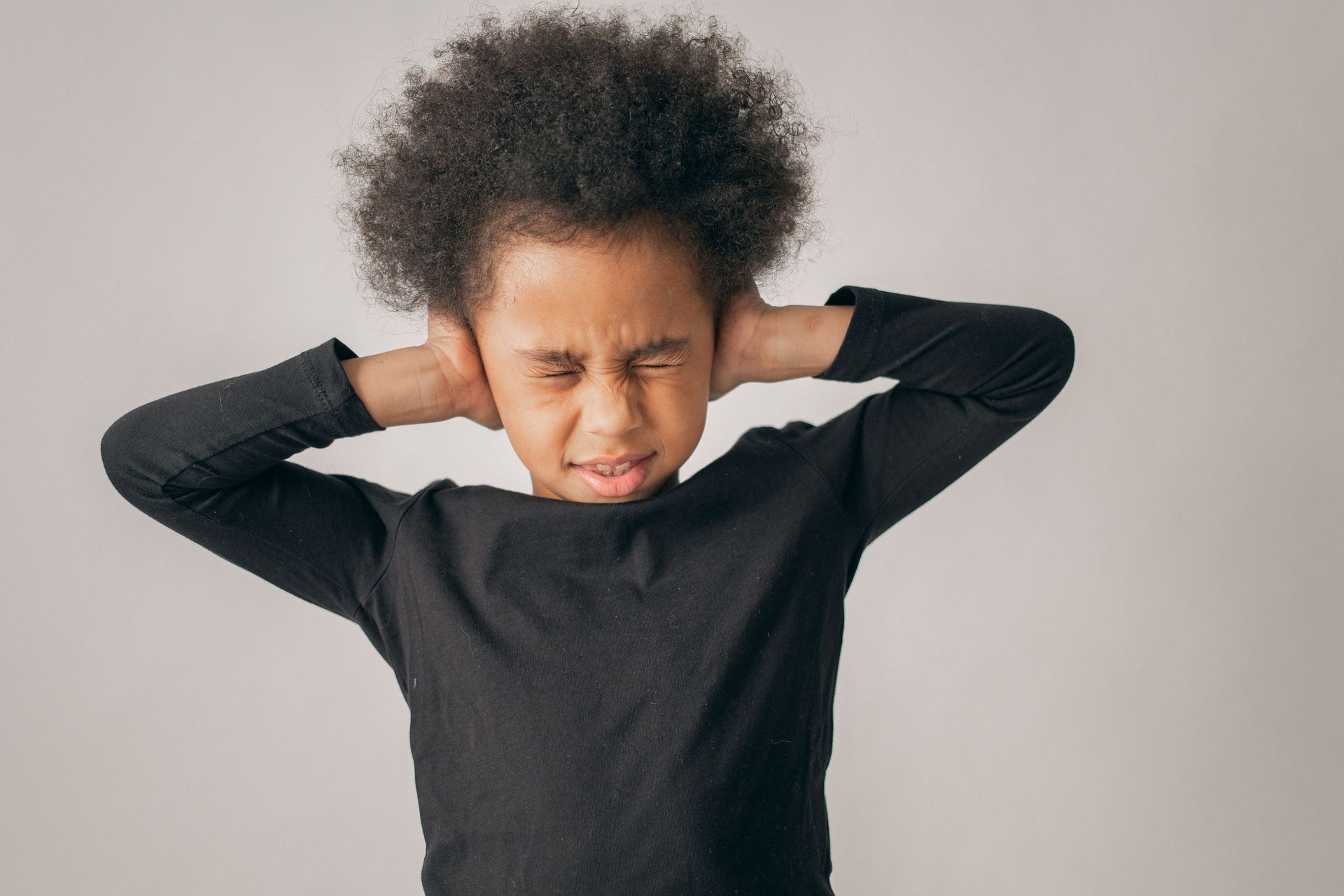
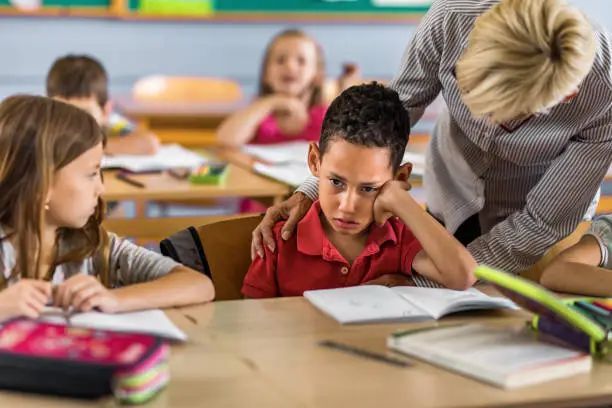
Anxiety in neurodiverse children can appear as the avoidance of certain environments, emotional shutdown or meltdowns, increased sensory sensitivity and physical symptoms like stomach aches or headaches.
To build resilience in neurodiverse kids, children must be taught to develop coping tools that they can use independently over time.
What Is Mindfulness and How Does It Help?
Mindfulness is the practice of paying attention to the present moment in a calm, non-judgemental way. For children, this is about noticing breathing, body sensations or surroundings. Research suggests that mindfulness can reduce stress hormone levels, improve attention and focus, support emotional regulation, improve sleep and mood.
These benefits make mindfulness very valuable for emotional regulation for neurodivergent children, who may experience stronger emotional responses or slower recovery from stress.
Educators who prioritise emotional safety, predictability and connection often see the strongest outcomes when combining mindfulness with inclusive teaching approaches.
Adapting Mindfulness for Neurodiverse Children
Mindfulness is not one-size-fits-all. What works with some children may not work with others. Effective inclusive mindfulness strategies should be adapted to individual needs.
Consider:
- Sensory sensitivities — use soft sounds, low lighting, or tactile tools
- Short attention spans — keep activities brief and repeatable
- Communication differences — use visuals, gestures or modelling
- Predictability — explain exactly what will happen during the activity
Creating sensory-friendly mindfulness environments might include quiet corners, comfortable seating or weighted items that are calming.
Practical Mindfulness Techniques for Daily Life
Here are practical, adaptable techniques that support mindfulness for autism and ADHD mindfulness techniques.
Breathing Buddies
Place a soft toy on the child’s stomach while lying down and let them watch it rise and fall.
This provides visual and tactile breathing feedback.
Adaptation:
- For children who dislike lying still, try seated breathing with hands on chest or belly
- For children who seek deep pressure, use a weighted cushion instead of a toy
- For children with interoception challenges, pair breathing with counting or visual breathing cards
Glitter Jars
Shake a glitter jar and watch it settle while breathing slowly. This is an effective mindfulness technique because the visual focus helps calm racing thoughts.
Adaptation:
- For visual sensory sensitivity, use slower-moving objects (beads, water droplets)
- For high movement seekers, shake jar while standing, then transition to stillness
- For children who struggle with abstract concepts, link it to simple language like “body slowing down”
Safe Space Visualisation
Guide children to imagine a safe, happy place. This will help build emotional regulation and calming imagery skills.
Adaptation:
- For literal thinkers, use real photos of familiar safe places
- For children with low imagery ability, focus on sensory description instead (warm, quiet, soft)
- For non-verbal children, use symbol boards or choice cards
Sensory Nature Walks
Focus on sounds, textures, and smells during walks.
Why it works: Grounds children in present sensory experiences.
Adaptation:
- For auditory sensitivity, allow ear defenders while still engaging visually
- For attention regulation, give a “sensory mission” (find 3 smooth things, 2 bird sounds)
- For motor regulation needs, build in movement bursts between focus tasks
Body Scan with Plush Toys
Move a toy slowly along arms or legs while focusing on body awareness.
Why it works: Builds connection between body and emotional state.
Adaptation:
- For tactile sensitivity, allow child to control pressure or object choice
- For movement seekers, do standing body scan with wall push or resistance bands
- For children with anxiety, narrate steps before touch happens
Story-Based Meditation
Use guided stories designed for relaxation. This supports children who engage better through narrative.
Adaptation:
- For ADHD, keep stories under 3–5 minutes
- For autism, use repeated story structure for familiarity
- For sensory sensitivity, allow child to adjust volume or pace
Integrating Mindfulness in School and Home Settings
Consistency is key when building mindfulness habits. Some helpful approaches include:
- Embedding mindfulness into daily routines
- Practising during calm moments, not only during stress
- Allowing choice and control
- Working collaboratively between home and school
If traditional school settings consistently increase stress despite support, families can explore alternative learning pathways that better support wellbeing and emotional growth.
Step-by-Step Tips for Parents
Step 1: Start small
Introduce mindfulness for 1–2 minutes at a time.
Step 2: Pair mindfulness with existing routines
Try after bath time or before bedtime.
Step 3: Follow your child’s interests
Use animals, stories or favourite characters.
Step 4: Model calm behaviour
Children learn emotional regulation through observation.
Step 5: Celebrate participation, not perfection
Consistency matters more than technique.
Building Long-Term Resilience Through Mindfulness
Regular mindfulness supports emotional awareness, helping children recognise and understand their feelings, while strengthening stress recovery skills so they can return to a calm state more easily after challenges. It also builds problem-solving confidence by encouraging thoughtful responses rather than reactive ones, and supports self-advocacy by helping children identify and communicate their needs.
Over time, these combined skills strengthen resilience in neurodiverse kids and improve independence across both school and home environments.
Resources and Tools for Support
Helpful tools include:
Apps:
- Headspace for Kids
- Smiling Mind
- Calm Kids
Platforms:
- GoNoodle (movement and mindfulness videos)
Books:
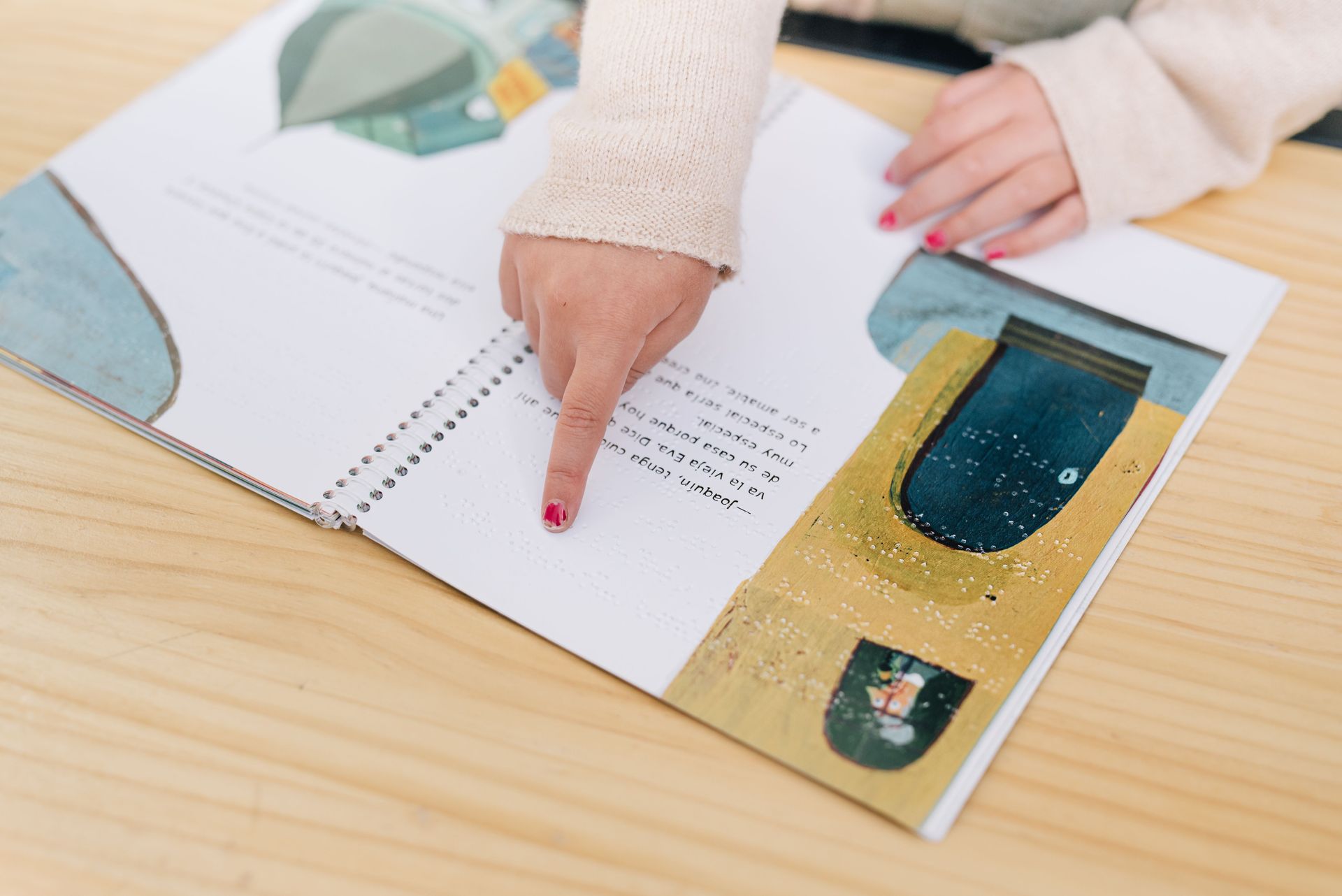
- Mindfulness storybooks for children like ‘I am peace’ by Susan Verde or ‘Zen shorts’ by Jon J. Muth.
- Sensory-friendly relaxation guides
Many digital resources now incorporate sensory-friendly mindfulness features like adjustable sound, pace and visual simplicity.
Final Thoughts
Effective mindfulness practices for neurodiverse children are not about forcing stillness or silence. They are about helping children feel safe in their bodies, understand their emotions and develop tools to manage the stress they might be feeling.
Through thoughtful mindfulness, practical techniques and truly inclusive strategies, families and educators can help reduce anxiety in children while strengthening emotional regulation.
Mindfulness works best when it is flexible, child-led and integrated into everyday life. With patience, consistency and compassion, these practices can become lifelong tools for wellbeing, resilience and confidence.