Creating Sensory-Friendly Environments for Autistic Learners: Home and School Tips
Creating sensory-friendly environments can make a significant difference in helping autistic learners feel comfortable, focused, and supported. Explore practical tips for adapting home and classroom spaces to reduce sensory overload and promote successful learning experiences.
Creating the right learning environment can shape how a child feels, learns and connects with the world around them. For autistic learners, the sensory environment is not just background noise. It is a central part of how they experience safety, comfort and focus. Classrooms and homes that are noisy, bright or unpredictable can quickly become overwhelming. On the other hand, thoughtfully designed spaces can unlock confidence and learning potential.
Understanding sensory processing differences helps families and educators create sensory-friendly environments for autistic learners that support both wellbeing and academic growth. When sensory needs are respected and planned for, children are better able to regulate emotions, engage in learning and build independence.
What Is a Sensory-Friendly Environment?
A sensory-friendly environment is a space that’s been intentionally designed to reduce overwhelm while still providing the right level of stimulation for engagement and learning.
Autistic learners experience sensory input differently. Some may be highly sensitive to sound or light, while others may seek extra sensory input through movement or touch. Effective autism sensory support recognises that there is no single “correct” sensory profile.
Instead, the goal is to achieve a balance by:
- Reducing triggers that cause distress
- Providing tools that help self-regulation
- Creating spaces where learners feel safe and understood.
Common Sensory Challenges Autistic Learners Face
Many autistic learners experience challenges across one or more sensory areas. These challenges can look very different from child to child.
Common examples include:
- Bright fluorescent lights causing headaches or anxiety
- Background noise making it difficult to focus on instructions
- Certain fabrics or textures causing physical discomfort
- Strong smells triggering nausea or distress
- Busy visual environments making it hard to concentrate
Sensory overload in school can present as withdrawal, meltdowns, fatigue or difficulty processing instructions. At home, it might appear as resistance to certain rooms, clothing or daily routines.
Recognising these signs early allows parents and caregivers to introduce sensory adjustments for neurodivergent learners before stress escalates.
Key Principles for Sensory-Friendly Design
Effective sensory design is built on a few foundational principles:
1. Predictability and routine: Consistent routines reduce anxiety and help learners prepare for transitions.
2. Choice and control: Allowing learners to choose seating, tools or break spaces supports autonomy and regulation.
3. Low-arousal environments: Neutral colours, reduced clutter and controlled noise create calmer spaces.
4. Multi-sensory regulation options: Providing different sensory tools allows learners to self-regulate based on their needs in the moment.
Educators who build these principles into daily practice often see stronger engagement. Many families and teachers find that understanding the qualities that help neurodiverse students thrive makes a meaningful difference.
Creating Sensory-Friendly Spaces at Home
Home is often the first place sensory support begins. Small adjustments can make daily life significantly easier.
Here are some step-by-step tips for parents
Step 1: Observe sensory triggers
Notice when your child becomes overwhelmed. Does this occur during noise, bright light, transitions or crowded spaces?
Step 2: Create dedicated calming spaces for autistic children
Choose a quiet corner and include comforting items like cushions, weighted blankets or favourite sensory tools.
Step 3: Adjust lighting and sound
Use lamps instead of overhead lights. Consider curtains, rugs or white noise machines for sound control.
Step 4: Introduce visual structure
Visual schedules help reduce anxiety and improve independence.
Step 5: Offer sensory regulation tools
Fidget tools, chewable items or movement breaks can support focus and emotional regulation.
Parents navigating complex schooling journeys often benefit from understanding alternative pathways and support options when traditional settings aren’t working.
Designing Autism-Friendly Classrooms
An effective autism-friendly classroom setup supports all learners while making sensory needs visible and normalised.
Practical classroom adjustments include:
· Visual timetables and clear daily routines
· Access to noise-cancelling headphones
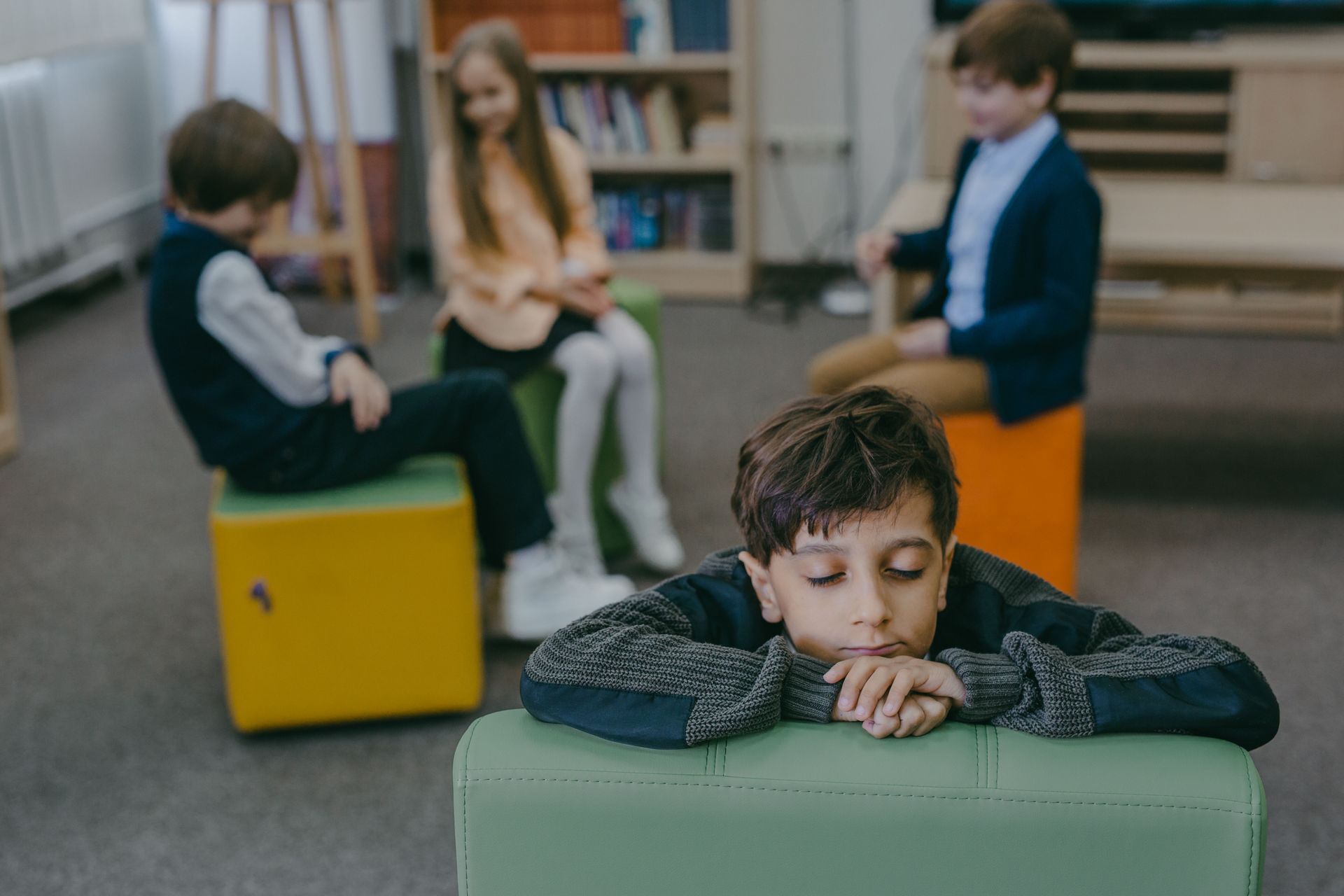
· Flexible seating, such as wobble stools or floor cushions
· Scheduled movement breaks
· Quiet sensory retreat areas
These supports reduce sensory overload in school and allow learners to re-engage more quickly after stress. Inclusive classrooms also rely on teacher awareness, consistent communication and staff training in autism sensory support strategies.
Tools and Resources That Support Sensory Needs
The right tools can help learners regulate without drawing unnecessary attention.
Commonly helpful tools include:
- Sensory bins and tactile play materials
- Wobble cushions and therapy bands for chairs
- Chewable jewellery
- Visual timers or sand timers
- Occupational therapy-recommended sensory kits
Across South Africa, more suppliers and therapy centres are making sensory tools accessible to families and schools, helping normalise sensory adjustments for neurodivergent learners in everyday settings.
Working with Occupational Therapists and Support Staff
Collaboration is essential when designing effective sensory environments.
Occupational therapists can:
- Conduct sensory assessments
- Recommend personalised tools
- Help design classroom or home adjustments
- Support staff and parent training
Regular reviews are important because sensory needs can change as children grow or as learning demands shift.
Final Thoughts
Creating sensory-friendly environments for autistic learners is not about special treatment; it is about equitable access to learning and wellbeing.
When homes and schools invest in autism sensory support, they create environments where learners can regulate emotions, engage with confidence and build independence. Reducing sensory overload, designing thoughtful autism-friendly classroom setups and building intentional calming spaces for autistic children, all contribute to stronger educational outcomes.
Most importantly, consistent sensory adjustments for neurodivergent learners send a powerful message: you belong here, exactly as you are.
Small changes like softer lighting, quieter corners and predictable routines can transform how a child experiences the world. And when environments are designed with intention, learning becomes more accessible, more meaningful and more human for everyone.