
Learning Differences
Children can be bright, capable and curious while finding particular parts of learning unexpectedly difficult. A learning difference may affect attention, reading, numbers, language processing, organisation, coordination or the way a child responds to information.
Some children arrive with a diagnosis. Others arrive because something simply does not seem to add up yet. Start with the area that sounds most familiar.
This section should lead into the individual learning differences below.
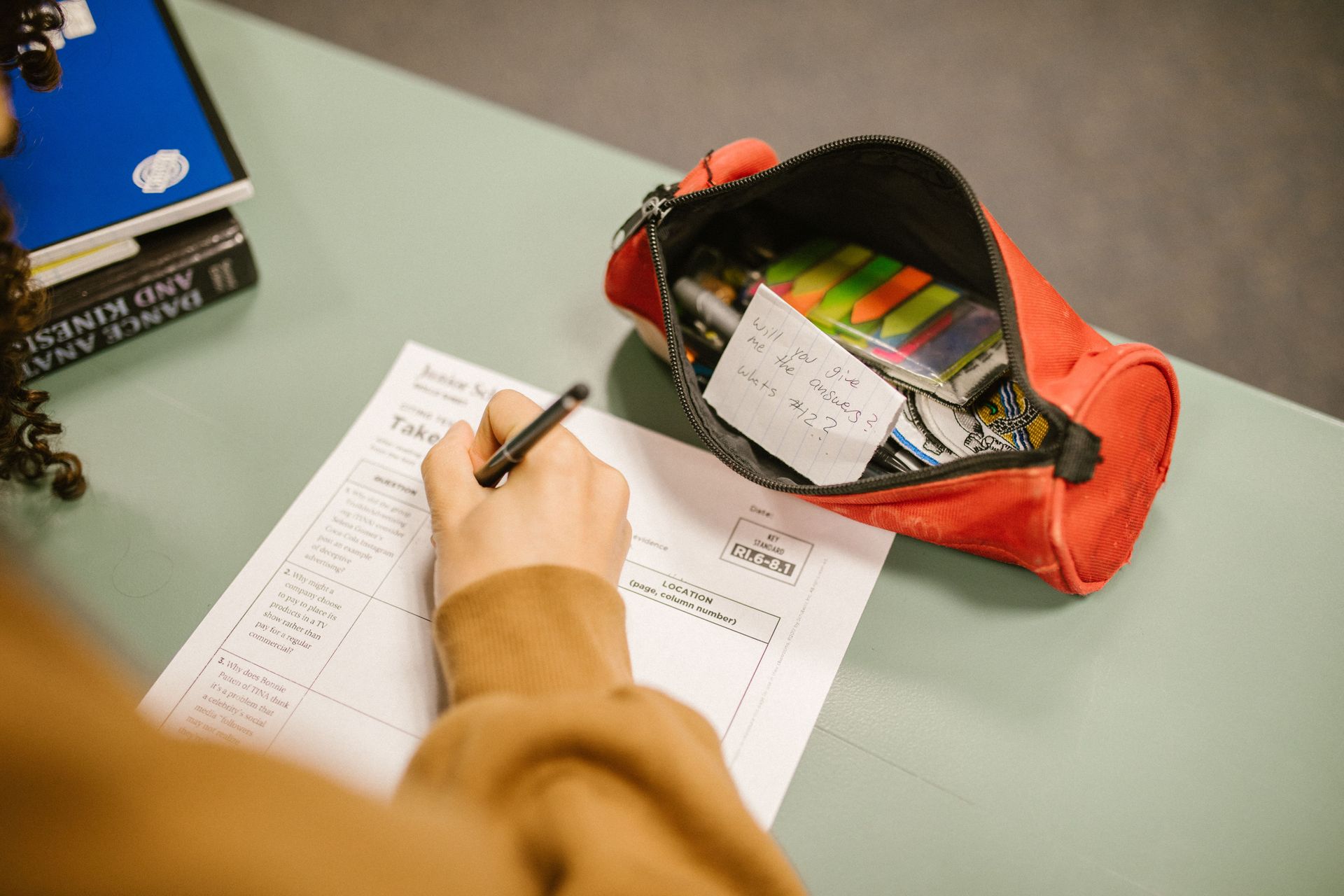
Your child's assessment report has arrived. Nicola Killops explains how parents and teachers can turn findings and recommendations into practical learning support.
A late understanding of ADHD can change the way a woman reads her entire life. For The Bridge School ’s occupational therapist Maggie Wong, it began with a pressure cooker, a kitchen covered in pasta sauce and the sudden realisation that perhaps other people’s brains did not work quite like hers.

PDD and PDD-NOS are terms once used to describe individuals on the autism spectrum who showed some, but not all, characteristics of autism. Learn what these diagnoses meant, how they relate to Autism Spectrum Disorder (ASD) today, and what this means for families and support planning.
Gifted children often think, learn, and experience the world differently from their peers, bringing both unique strengths and challenges. Discover the characteristics of giftedness and how parents and educators can nurture a child’s potential while supporting their overall well-being.

Autism is a developmental difference that affects how a person communicates, interacts, and experiences the world. Gain a clearer understanding of autism, its diverse characteristics, and how to provide meaningful support for autistic individuals and their families.