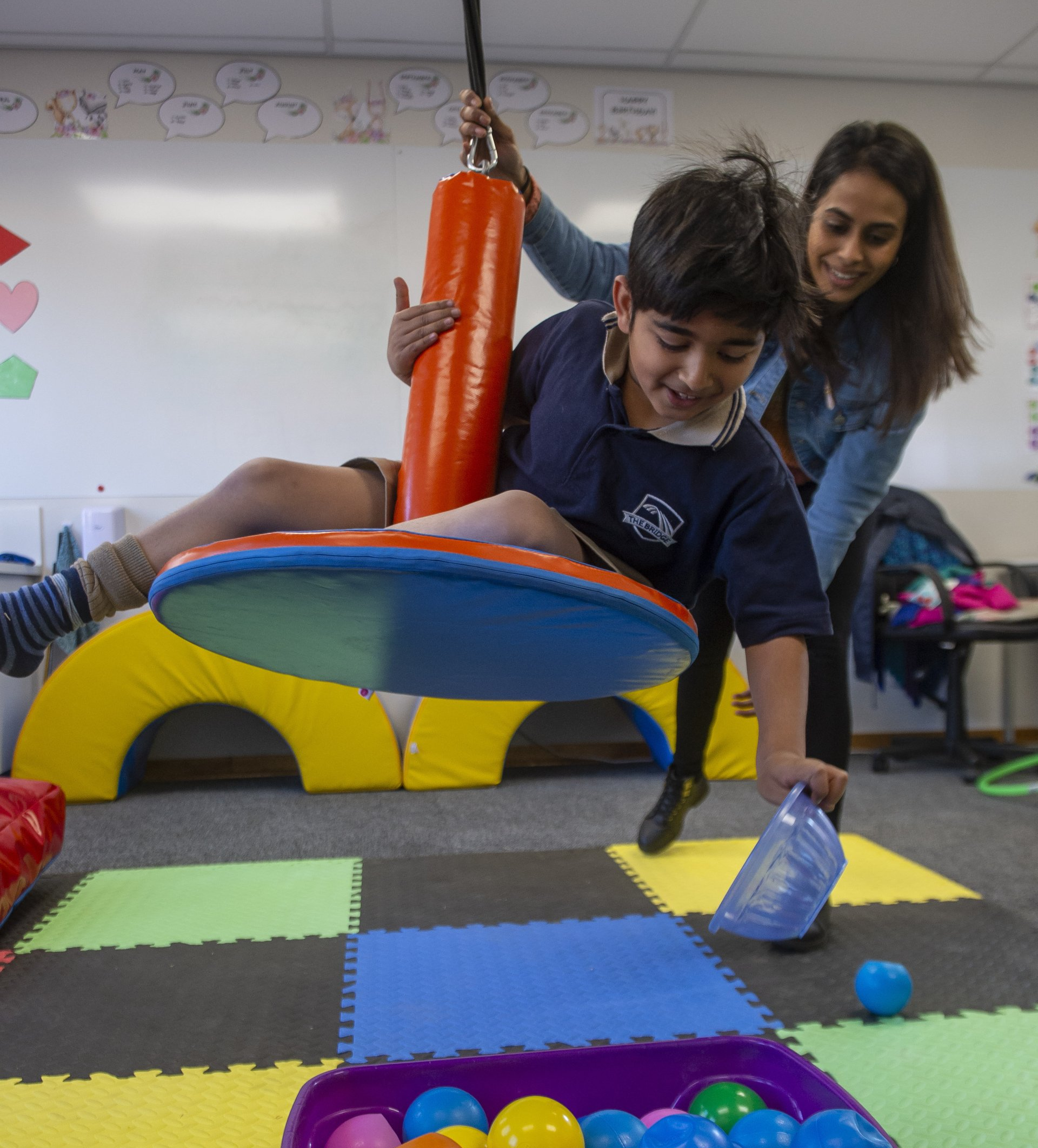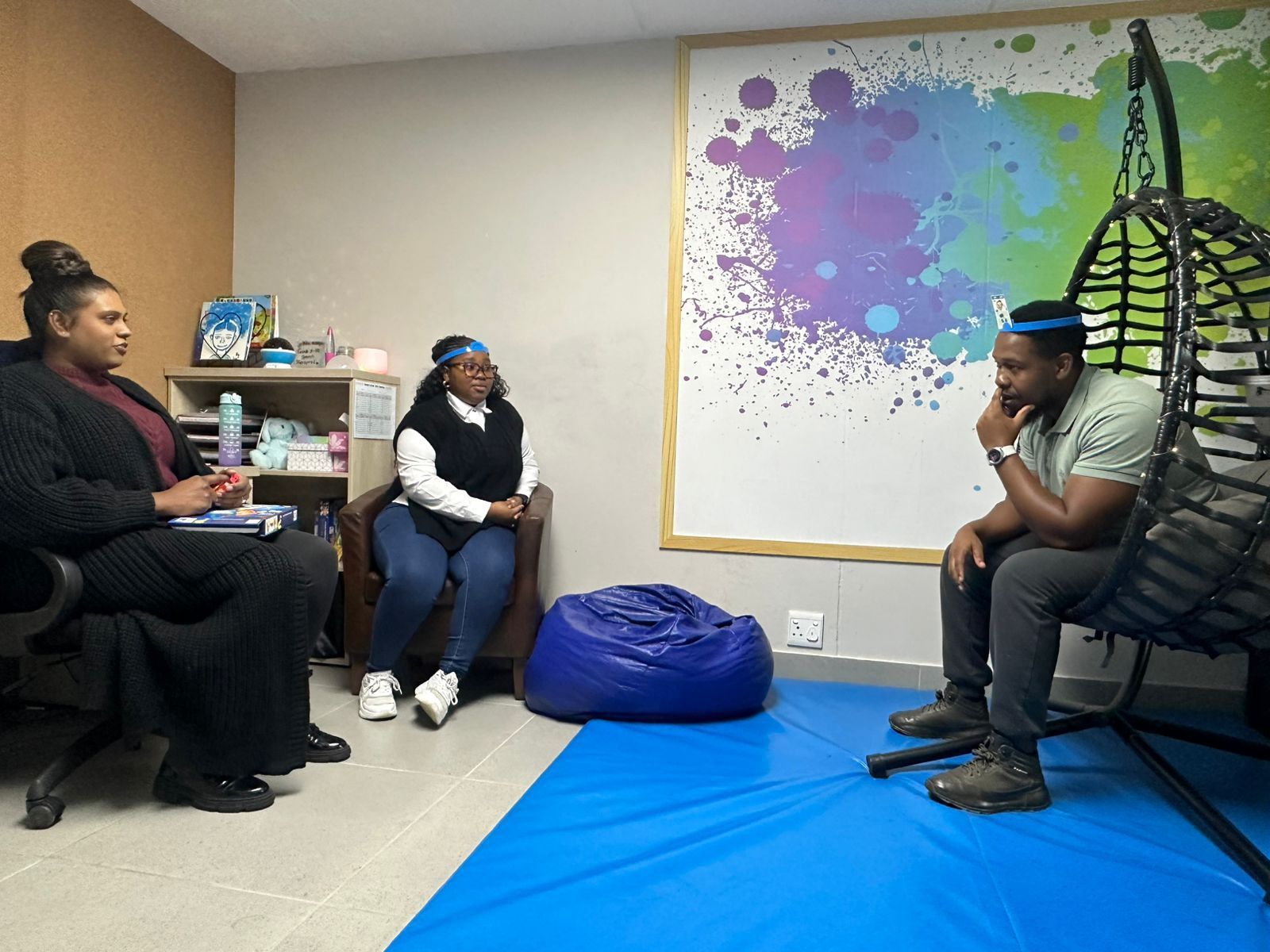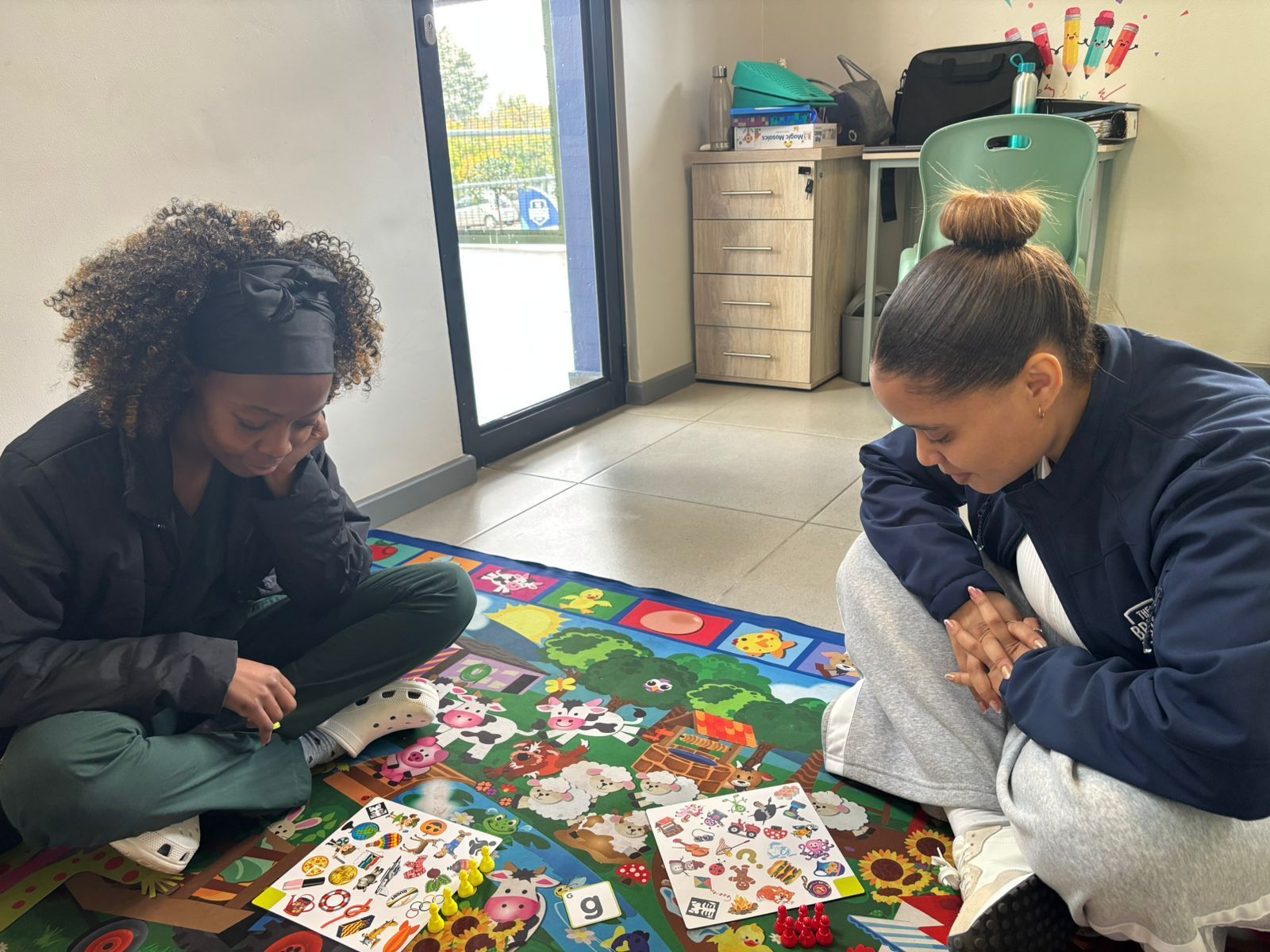

What can I do?

Guidance, tools and resources to help your child thrive.

How we can assist

  • Consult a Specialist: If several behaviours are observed consistently, consider consulting with a medical professional or therapist for further evaluation.
  • Early Intervention: Early diagnosis and support can greatly improve outcomes for children with neurodiverse conditions.
  • Support Groups: Join parent support groups for advice, resources, and emotional support.
FAQs

  • What is The Bridge Hub here to help with?

    The Bridge Hub is here to make everyday challenges feel less confusing and less isolating. It brings together practical tools and clear information to help families understand what may be happening beneath homework struggles, emotional overwhelm, sensory needs, anxiety, organisation difficulties and behaviour that feels hard to manage.

  • Where should I start?

    Start with the challenge that feels most pressing right now. You can browse by topic or look through the resource library. You do not need to understand every term or know exactly what your child needs before you begin.

  • What kinds of support will I find here?

    You will find practical downloads for homework, routines, task initiation, prioritising, executive functioning and school organisation, as well as longer guides on ADHD, autism, auditory processing, giftedness, masking, sensory needs and emotional regulation.

  • Does my child need a diagnosis for these resources to help?

    No. The Hub is designed to support the child in front of you, whether or not they have a diagnosis. A child can struggle with focus, anxiety, transitions, sensory overload, organisation or emotional regulation and still benefit from practical support.

  • Why is my child struggling when they seem so capable?

    Capability does not always mean that something is easy. Many children cope well in one area while finding another part of daily life exhausting. The Hub helps adults look beyond marks, behaviour or outward appearance and notice the effort, overload or unmet need underneath.

  • Will the resources tell me what to do at home?

    Yes. Many of the resources offer small, realistic steps that can be tried at home, such as changing the setup, reducing pressure, breaking tasks down, allowing recovery time, using visual support or helping a child start with one manageable step.

  • Can these resources help at school too?

    Yes. Many of the ideas can be shared with teachers, therapists and other members of a child’s support team. They can help adults use the same language, understand the child more clearly and work together around practical support.

  • What if we need more help than a resource can provide?

    The Bridge Hub is a starting point, not a replacement for professional support. If your child is struggling significantly or the difficulties are affecting daily life, speak to your school therapy team, your child’s teacher, medical or therapeutic professional.

Latest Blog's

1 July 2026
Some parents still have old reports tucked away in drawers with terms like PDD or PDD-NOS written across the top. Then years later, they hear different language around autism and suddenly start wondering whether they have misunderstood everything somehow. Whether the diagnosis still “counts”. Whether they are using the wrong terminology. Whether everybody else got some updated handbook they missed. It happens far more often than people realise. PDD stood for Pervasive Developmental Disorder . PDD-NOS meant Pervasive Developmental Disorder – Not Otherwise Specified . Years ago, these terms were often used when a child showed autistic traits or developmental differences, but did not fit neatly into the narrower autism categories being used at the time. Today, most children who may previously have received a PDD or PDD-NOS diagnosis would now fall under the broader Autism Spectrum Disorder umbrella. But the language changing does not erase the child standing in front of you. What parents often noticed first For most families, it was never really about the terminology in the beginning anyway. It was: the child who became overwhelmed by noise the child who struggled socially in ways nobody could fully explain the child who seemed completely fine one moment and overloaded the next the child who melted down after school every day the child who copied other children constantly just to keep up the child who seemed anxious all the time underneath the surface the child who felt “different” long before anybody had language for why Some children were highly verbal and academically capable but still struggling enormously underneath. Others had uneven developmental profiles that confused the adults around them. A lot of parents knew something was different long before anybody gave it a name. Why the terminology changed Years ago, autism diagnoses were divided into several separate categories, including: Asperger’s Syndrome Autistic Disorder PDD-NOS Childhood Disintegrative Disorder Over time, professionals realised these categories overlapped heavily and often did not reflect how autism actually presents in real life. Some children moved between labels depending on who assessed them. Others did not fit neatly into one category at all. That is one reason the broader Autism Spectrum Disorder diagnosis is now used more commonly. For parents, though, the change in language can sometimes feel unsettling. Especially when: older reports still use PDD-NOS schools use outdated terminology online information contradicts itself different professionals explain things differently family members question whether the diagnosis is “serious enough” That confusion is understandable. What PDD-NOS often looked like Children previously described as having PDD-NOS often showed autistic traits in ways that looked more subtle, uneven or inconsistent than people expected at the time. A child may have: struggled socially but seemed highly verbal managed academically while battling emotionally become overwhelmed by sensory input struggled badly with change or unpredictability copied peers socially to blend in experienced intense anxiety missed social cues seemed “quirky” or “different” without fitting older stereotypes of autism Many children who received this label were intelligent, observant and highly aware of the world around them, but still struggling to navigate environments that felt exhausting, confusing or overwhelming. What is often misunderstood One of the hardest things for many families is that children with more subtle or uneven presentations are often misunderstood for years. Children may be described as: anxious dramatic immature controlling overly sensitive socially awkward perfectionistic difficult Sometimes adults focus only on the behaviour they can see without recognising the stress sitting underneath it. A child who melts down after school may have spent the entire day masking. A child who seems rigid may actually be trying desperately to create predictability in a world that feels chaotic. A child who struggles socially may not lack interest in friendship at all. They may simply be exhausted by how much processing social interaction requires. Often, there is far more happening beneath the surface than people realise. School and hidden effort School can be particularly difficult for children with uneven autism profiles because outward performance does not always reflect internal effort. A child may: achieve good marks while struggling socially appear calm in class but collapse emotionally at home become overwhelmed by noisy classrooms or group work mask anxiety throughout the day struggle badly with transitions or unpredictability spend huge amounts of energy trying not to “get things wrong” Sometimes the child who seems fine is actually surviving through constant compensation. Helpful support at school may include: predictable routines sensory-aware environments reduced overwhelm where possible processing time calm communication flexibility around participation emotional support understanding around masking and exhaustion Children usually cope far better once adults stop focusing only on outward behaviour and start noticing the effort underneath it. At home Home is often where all the held-togetherness finally gives way. Parents may see: meltdowns after school withdrawal irritability shutdowns anxiety emotional exhaustion rigidity around routines overwhelm over things that seem tiny from the outside This can feel deeply confusing when the child appeared completely fine earlier in the day. But many children are spending enormous amounts of energy simply trying to get through environments that feel socially, emotionally and sensory overwhelming. Home often becomes the place where all that hidden effort finally spills over. Strengths and capacity Children previously labelled with PDD or PDD-NOS are individuals first. Many are thoughtful, creative and deeply observant. Some notice patterns other people miss completely. Others develop extraordinary depth around the things they love and care about. Many also show strengths in: creativity deep focus honesty memory problem-solving specialist interests original thinking attention to detail At the same time, strengths do not erase support needs. A child can be bright, verbal and academically capable while still struggling enormously with anxiety, sensory overload, emotional regulation or social exhaustion. Both things are often true at the same time. When to seek support If a child is consistently struggling with sensory overwhelm, emotional regulation, social interaction, anxiety or coping with everyday demands, it may help to speak to an appropriately qualified healthcare or educational professional familiar with autism and developmental differences. Assessment is not about reducing a child to a label. For many families, understanding finally brings language to experiences that previously felt confusing or isolating. A final thought If your child received a PDD or PDD-NOS diagnosis years ago, it does not mean you misunderstood them or somehow failed to keep up. The language evolved. Your child did not suddenly become a different person. Sometimes parents become so anxious about saying the “right” thing that they forget the most important thing was always understanding the child in front of them.  And that understanding matters far more than perfect terminology ever will.
1 July 2026
Some gifted children do not look gifted in the way people expect. They are not always the child bringing home perfect marks and smiling politely in every school photo. Sometimes they are the child arguing with the teacher because the instructions felt illogical. Sometimes they are halfway through a novel under the desk because the lesson is moving painfully slowly. Sometimes they are deeply anxious, emotionally intense or completely exhausted from trying to exist in environments that do not fit them. Some are identified early. Others are missed for years because their giftedness sits alongside ADHD, autism, dyslexia, anxiety or emotional overwhelm. ( neuroparentinghub.co.za ) Giftedness is often far more complicated than people realise. It is not simply “being smart”. Many gifted children experience the world with unusual intensity, depth, curiosity and sensitivity. They may learn rapidly, think abstractly at a young age, ask complex questions or become deeply absorbed in particular interests. At the same time, many also struggle with perfectionism, emotional regulation, boredom, anxiety or feeling profoundly out of sync with the people around them. What giftedness can look like Gifted children do not all look the same. Some are highly verbal and endlessly curious. Some disappear into books or projects for hours. Some ask questions adults are not remotely prepared to answer. Others seem emotionally intense, highly sensitive or constantly frustrated by repetition and routine. A gifted child may: ask unusually deep or complex questions learn rapidly with minimal repetition become intensely focused on preferred interests struggle with boredom in repetitive environments show advanced vocabulary or reasoning become frustrated when ideas move slower than their thinking notice inconsistencies or unfairness quickly experience perfectionism or fear of failure struggle socially with age peers feel emotionally “out of sync” with other children become overwhelmed by sensory or emotional input argue passionately when something feels illogical appear mature in some ways and much younger in others Many gifted children have extremely uneven development. A child may discuss politics or philosophy far beyond their years and still completely fall apart because their sock feels wrong or their routine changed unexpectedly. That unevenness confuses adults constantly. Gifted does not mean easy One of the biggest misconceptions about gifted children is that they automatically thrive. Some do. Others spend years: under-stimulated misunderstood emotionally overwhelmed anxious disconnected from peers hiding their abilities socially frustrated by environments that never quite fit Some children become perfectionistic because things came easily early on and they never learned how to cope with struggle or mistakes. Others underperform intentionally because standing out socially feels unsafe. Some disengage completely after years of boredom and repetition. Giftedness does not protect children from difficulty. Sometimes it creates entirely different kinds of difficulty. Emotional intensity Many gifted children experience emotions intensely. A small injustice can feel enormous. A difficult world event may keep them awake at night. A tiny mistake can spiral into crushing self-criticism. Some children think deeply enough to worry about things adults do not expect children their age to even notice yet. Others become highly sensitive to: criticism conflict unfairness disappointment pressure failure emotional tension around them Adults sometimes mistake this intensity for dramatic behaviour or overreacting. Often, the child is genuinely experiencing emotions with unusual depth and intensity. School and gifted children School can become surprisingly complicated for gifted children. Some thrive academically but struggle socially. Some appear inattentive because they are mentally under-stimulated. Some become disruptive because their brain is searching constantly for complexity, novelty or stimulation. Others become quiet and disengaged after years of feeling disconnected from the learning environment. A gifted child may: finish work very quickly struggle with repetitive tasks become frustrated by slow pacing daydream when insufficiently challenged avoid work they see as meaningless become perfectionistic around mistakes underperform intentionally to fit in socially feel isolated from age peers struggle when learning focuses heavily on memorisation over thinking Sometimes the child described as “lazy” is actually deeply disengaged. Sometimes the child interrupting constantly is desperate for intellectual stimulation. Sometimes the child who appears anxious is carrying enormous internal pressure. Helpful support at school may include: enrichment opportunities intellectual challenge opportunities for deeper thinking flexible learning approaches emotional support understanding around perfectionism and anxiety environments that value curiosity and creativity support for uneven development Gifted children generally cope far better when adults understand that advanced intelligence does not remove emotional or developmental needs. ( neuroparentinghub.co.za ) Giftedness and neurodiversity Some gifted children are also neurodivergent. A child may be gifted and also have: ADHD autism dyslexia anxiety sensory processing difficulties executive functioning challenges This is sometimes called being “twice-exceptional” or “2E”. These children are often especially misunderstood because strengths can mask difficulties, while difficulties can mask strengths. A highly intelligent child may still struggle enormously with organisation, emotional regulation or everyday school demands. Both things are often true at the same time. At home At home, gifted children may: ask endless questions debate everything struggle to switch their brain “off” become emotionally intense react strongly to perceived unfairness hyperfocus on interests for hours become deeply frustrated by mistakes resist tasks that feel meaningless or repetitive need large amounts of downtime after school Some parents describe gifted children as emotionally exhausting and fascinating in equal measure. Many families find themselves parenting children who think deeply, feel deeply and notice far more than adults initially realise. Strengths and capacity Gifted children are individuals first. Many show strengths in: creativity problem-solving curiosity empathy humour rapid learning analytical thinking imagination deep focus around interests original thinking Some ask questions that completely change how adults see the world. At the same time, gifted children still need: emotional support understanding challenge boundaries regulation support connection space to fail safely Giftedness is not adulthood arriving early. They are still children. When to seek support If a child is consistently showing signs of advanced reasoning, intense curiosity, emotional intensity or a significant mismatch between ability and everyday functioning, it may help to speak to an appropriately qualified educational or psychological professional familiar with giftedness and neurodiversity. For many families, understanding giftedness finally explains experiences that previously felt confusing or contradictory. ( neuroparentinghub.co.za ) A final thought Gifted children are often described only through what they can do academically. But many are carrying inner worlds that are far bigger, more intense and more complicated than people realise. Sometimes the child asking endless questions is trying to understand a world that already feels overwhelming. Sometimes the child arguing constantly is searching desperately for logic and fairness. Sometimes the child who appears “too sensitive” is simply noticing and feeling far more than the people around them expected. Gifted children do not need to be turned into tiny adults or walking report cards.  They need understanding too.
1 July 2026
Some children seem to experience the world with the volume turned all the way up. A fluorescent light that everybody else ignores. A classroom that feels unbearably loud by lunchtime. The scratchy tag in the back of a jersey that suddenly becomes the only thing they can think about. A change in routine that appears tiny to adults but feels enormous to the child experiencing it. A social interaction that requires so much concentration it leaves them exhausted afterwards. Autism is often spoken about in clinical terms, but for many families, it first appears in ordinary moments. A child who struggles unexpectedly in busy environments. A child who seems overwhelmed after school. A child who misses social cues, avoids eye contact, becomes deeply focused on specific interests, or reacts strongly to unpredictability. Autism is not one single presentation, personality type or ability level. It is a neurodevelopmental difference that affects how a person experiences, processes and interacts with the world around them. Some autistic children are highly verbal. Some are minimally speaking or communicate differently. Some need significant day-to-day support, while others appear to cope well on the surface but are carrying enormous internal effort. That is why people often refer to it as a spectrum. Not because autistic people are “more” or “less” autistic than one another, but because autism can look very different from person to person. What autism can look like Autism may present differently depending on the child, their age, personality, support system and environment. Some signs may be noticed very early, while others become more visible once school, social expectations and sensory demands increase. An autistic child may: become overwhelmed in noisy, crowded or unpredictable environments struggle with sudden changes or transitions need routine and predictability to feel safe communicate differently from peers take language very literally miss social cues or struggle to read facial expressions and tone become deeply focused on particular interests or topics experience strong sensory sensitivities mask or copy peers in order to fit in socially appear calm at school but emotionally collapse at home struggle to explain emotions or internal experiences need additional processing time become distressed when plans change unexpectedly use movement, repetition or sensory behaviours to regulate themselves Not every autistic child will show all of these traits. Some children are identified early. Others are missed for years because they are academically capable, highly verbal, socially imitative, quiet or working incredibly hard to blend in. Girls in particular are often overlooked because their autism may not look the way people expect it to. What masking can look like Many autistic children spend large parts of the day trying to appear “fine”. They may copy peers, rehearse conversations, force eye contact, suppress sensory discomfort, stay extremely quiet in class or work very hard to follow social rules that other children seem to understand instinctively. Adults often assume this means the child is coping well. Sometimes it simply means the child is using huge amounts of energy to hold everything together. This is one reason many parents hear: “They’re absolutely fine at school.” …while home tells a very different story. After-school meltdowns, shutdowns, emotional exhaustion and sensory overwhelm are often the release valve after a day of constant effort. What autism is often mistaken for Autistic children are frequently misunderstood. Depending on how autism presents, a child may be described as: rude defiant overly sensitive shy dramatic obsessive controlling lazy anxious immature socially uninterested badly behaved Sometimes adults focus only on behaviour without recognising the stress, overload, confusion or sensory discomfort underneath it. A child refusing to enter a noisy hall may not be “difficult”. A child melting down after a timetable change may not be “manipulative”. A child who avoids group work may not be antisocial. Often, there is far more happening beneath the surface. Sensory differences Many autistic children experience the sensory world differently. This can include heightened or reduced sensitivity to: sound light touch texture smell movement temperature crowds clothing food textures Some children become overwhelmed by sensory input very quickly. Others actively seek sensory experiences such as movement, pressure, spinning or repetitive input. Sensory overload can affect concentration, emotional regulation, behaviour, sleep, learning and social participation. Sometimes a child is not “overreacting”. Their nervous system may genuinely be experiencing the environment as overwhelming. Communication and social interaction Autistic communication differences are often misunderstood as a lack of interest in people. In reality, many autistic children want connection deeply, but may communicate, process or interact differently. Communication differences can show up in many different ways. A child may struggle with the fast back-and-forth rhythm of conversation, miss implied meaning, take language literally or find group discussions exhausting to keep up with. Some children communicate more comfortably around shared interests or in one-on-one settings where there is less pressure to read multiple social cues at once. Others may need additional time to process spoken information, especially in busy or noisy environments. Others may speak fluently but still find social interaction exhausting because of the amount of conscious processing involved. Emotional regulation and overwhelm Autistic children often experience emotions intensely. When a child is overwhelmed, overloaded or unable to process what is happening around them, this may lead to: meltdowns shutdowns withdrawal emotional flooding rigid behaviour panic exhaustion These moments are not usually about “attention-seeking”. They are often signs that the child’s nervous system has exceeded its capacity to cope. Strengths and capacity Autistic children are individuals first. Many autistic people also show strengths in areas such as: deep focus and concentration honesty and directness creativity pattern recognition memory attention to detail problem-solving loyalty specialist interests and expertise original thinking Not every autistic child will show the same strengths, and strengths should never be used to dismiss support needs. A child can be highly intelligent and still struggle enormously with sensory overwhelm, anxiety, transitions or social exhaustion. Supporting autistic children at school Children generally cope better when the focus shifts away from making them look “typical” and towards helping them feel safe enough to learn. For some children, simply getting through a noisy assembly, a substitute teacher, an unexpected timetable change or a crowded sports day may already require a huge amount of effort. Helpful supports may include: predictable routines visual supports and clear expectations sensory-aware classrooms reduced overwhelm where possible movement and regulation opportunities processing time preparation for transitions and changes calm communication flexible approaches to participation safe spaces for emotional reset understanding around sensory needs Children generally do better when adults become curious about what behaviour may be communicating, rather than responding only to the behaviour itself. Supporting autistic children at home At home, support often begins with recognising how much effort many autistic children are already using simply to get through the day. Helpful approaches may include: reducing unnecessary overwhelm creating predictable routines where possible preparing children for changes ahead of time allowing recovery time after school supporting sensory needs using calm, direct communication recognising signs of overload early focusing on connection before correction understanding that behaviour is often communication Parents do not need to create a perfect home. Often, the most important thing is that home becomes the place where a child no longer has to hold everything together. When to seek support Some families notice signs of autism early. Others begin asking questions later when social, emotional or school demands increase. If a child is consistently struggling with sensory overwhelm, communication differences, emotional regulation, social interaction, rigidity, anxiety or coping with everyday demands, it may help to speak to an appropriately qualified healthcare or educational professional. Assessment is not about labelling a child as “less than”. For many families, understanding brings relief. It provides language for experiences that previously felt confusing, isolating or constantly misunderstood. A final thought Autistic children are not failed versions of non-autistic children. Many are trying to function inside environments that were simply not designed with their nervous systems in mind. When adults shift from asking: “Why are they behaving like this?” to: “What might this child be experiencing right now?” everything begins to change.

What can I do?