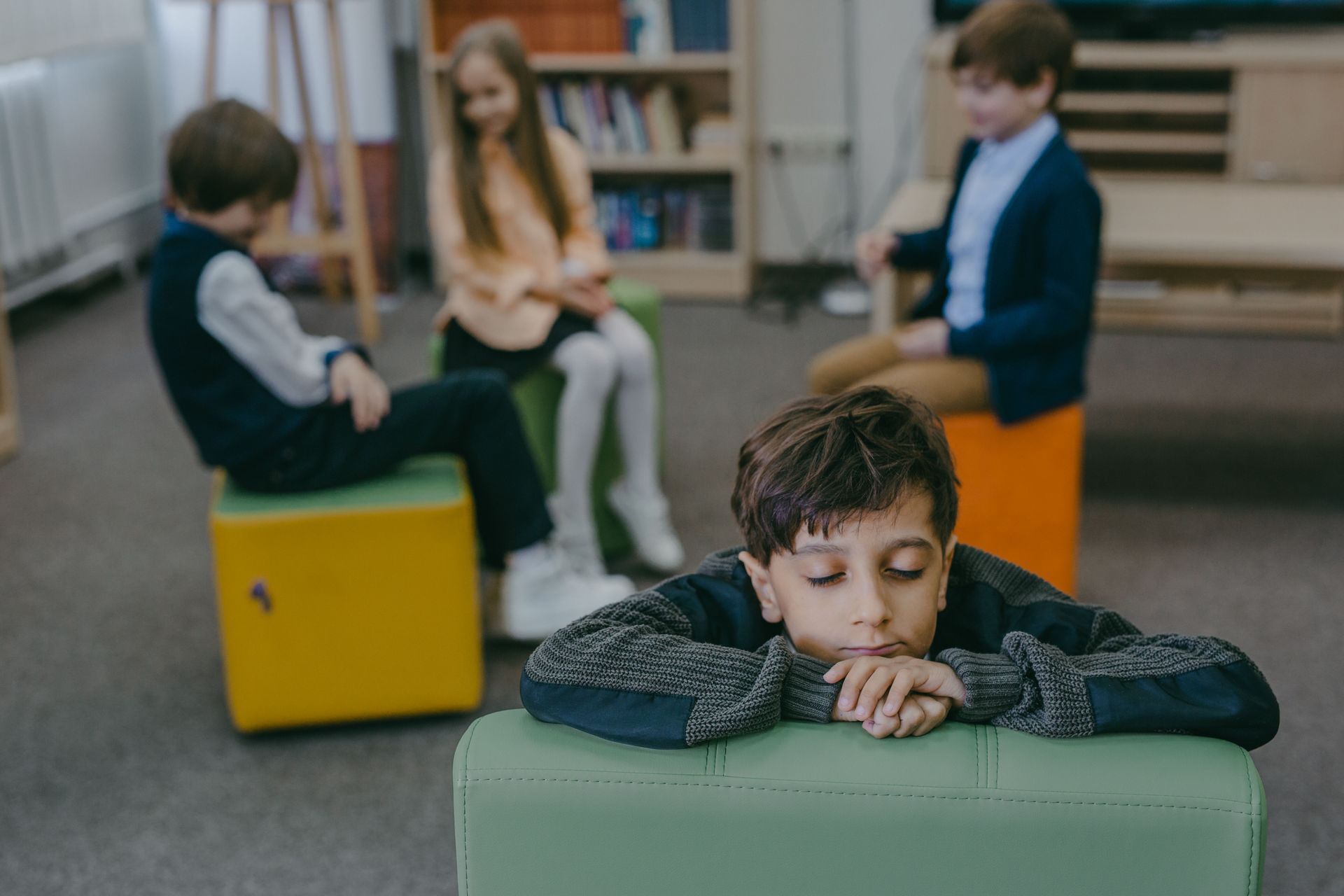
Understanding Gifted Children
Gifted children often think, learn, and experience the world differently from their peers, bringing both unique strengths and challenges. Discover the characteristics of giftedness and how parents and educators can nurture a child’s potential while supporting their overall well-being.
Some gifted children do not look gifted in the way people expect.
They are not always the child bringing home perfect marks and smiling politely in every school photo. Sometimes they are the child arguing with the teacher because the instructions felt illogical. Sometimes they are halfway through a novel under the desk because the lesson is moving painfully slowly. Sometimes they are deeply anxious, emotionally intense or completely exhausted from trying to exist in environments that do not fit them.
Some are identified early.
Others are missed for years because their giftedness sits alongside ADHD, autism, dyslexia, anxiety or emotional overwhelm.
Giftedness is often far more complicated than people realise.
It is not simply “being smart”.
Many gifted children experience the world with unusual intensity, depth, curiosity and sensitivity. They may learn rapidly, think abstractly at a young age, ask complex questions or become deeply absorbed in particular interests. At the same time, many also struggle with perfectionism, emotional regulation, boredom, anxiety or feeling profoundly out of sync with the people around them.
What giftedness can look like
Gifted children do not all look the same.
Some are highly verbal and endlessly curious.
Some disappear into books or projects for hours.
Some ask questions adults are not remotely prepared to answer.
Others seem emotionally intense, highly sensitive or constantly frustrated by repetition and routine.
A gifted child may:
- ask unusually deep or complex questions
- learn rapidly with minimal repetition
- become intensely focused on preferred interests
- struggle with boredom in repetitive environments
- show advanced vocabulary or reasoning
- become frustrated when ideas move slower than their thinking
- notice inconsistencies or unfairness quickly
- experience perfectionism or fear of failure
- struggle socially with age peers
- feel emotionally “out of sync” with other children
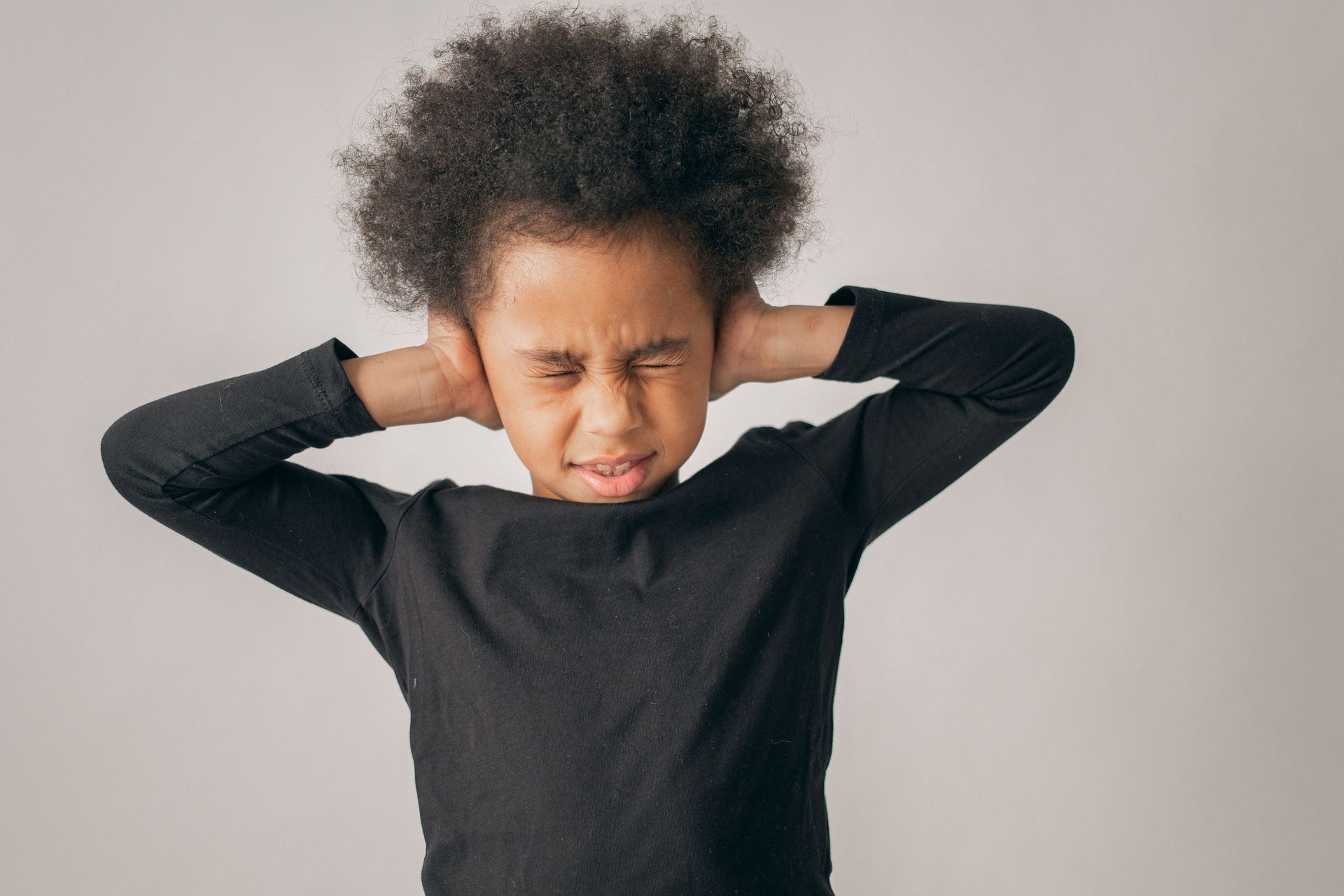
- become overwhelmed by sensory or emotional input
- argue passionately when something feels illogical
- appear mature in some ways and much younger in others
Many gifted children have extremely uneven development.
A child may discuss politics or philosophy far beyond their years and still completely fall apart because their sock feels wrong or their routine changed unexpectedly.
That unevenness confuses adults constantly.
Gifted does not mean easy
One of the biggest misconceptions about gifted children is that they automatically thrive.
Some do.
Others spend years:
- under-stimulated
- misunderstood
- emotionally overwhelmed
- anxious
- disconnected from peers
- hiding their abilities socially
- frustrated by environments that never quite fit
Some children become perfectionistic because things came easily early on and they never learned how to cope with struggle or mistakes.
Others underperform intentionally because standing out socially feels unsafe.
Some disengage completely after years of boredom and repetition.
Giftedness does not protect children from difficulty.
Sometimes it creates entirely different kinds of difficulty.
Emotional intensity
Many gifted children experience emotions intensely.
A small injustice can feel enormous.
A difficult world event may keep them awake at night.
A tiny mistake can spiral into crushing self-criticism.
Some children think deeply enough to worry about things adults do not expect children their age to even notice yet.
Others become highly sensitive to:
- criticism
- conflict
- unfairness
- disappointment
- pressure
- failure
- emotional tension around them
Adults sometimes mistake this intensity for dramatic behaviour or overreacting.
Often, the child is genuinely experiencing emotions with unusual depth and intensity.
School and gifted children
School can become surprisingly complicated for gifted children.
Some thrive academically but struggle socially.
Some appear inattentive because they are mentally under-stimulated.
Some become disruptive because their brain is searching constantly for complexity, novelty or stimulation.
Others become quiet and disengaged after years of feeling disconnected from the learning environment.
A gifted child may:
- finish work very quickly
- struggle with repetitive tasks
- become frustrated by slow pacing
- daydream when insufficiently challenged
- avoid work they see as meaningless
- become perfectionistic around mistakes
- underperform intentionally to fit in socially
- feel isolated from age peers
- struggle when learning focuses heavily on memorisation over thinking
Sometimes the child described as “lazy” is actually deeply disengaged.
Sometimes the child interrupting constantly is desperate for intellectual stimulation.
Sometimes the child who appears anxious is carrying enormous internal pressure.
Helpful support at school may include:
- enrichment opportunities
- intellectual challenge
- opportunities for deeper thinking
- flexible learning approaches
- emotional support
- understanding around perfectionism and anxiety
- environments that value curiosity and creativity
- support for uneven development
Gifted children generally cope far better when adults understand that advanced intelligence does not remove emotional or developmental needs. (neuroparentinghub.co.za)
Giftedness and neurodiversity
Some gifted children are also neurodivergent.
A child may be gifted and also have:
- ADHD
- autism
- dyslexia
- anxiety
- sensory processing difficulties
- executive functioning challenges
This is sometimes called being “twice-exceptional” or “2E”.
These children are often especially misunderstood because strengths can mask difficulties, while difficulties can mask strengths.
A highly intelligent child may still struggle enormously with organisation, emotional regulation or everyday school demands.
Both things are often true at the same time.
At home
At home, gifted children may:
- ask endless questions
- debate everything
- struggle to switch their brain “off”
- become emotionally intense
- react strongly to perceived unfairness
- hyperfocus on interests for hours
- become deeply frustrated by mistakes
- resist tasks that feel meaningless or repetitive
- need large amounts of downtime after school
Some parents describe gifted children as emotionally exhausting and fascinating in equal measure.
Many families find themselves parenting children who think deeply, feel deeply and notice far more than adults initially realise.
Strengths and capacity
Gifted children are individuals first.
Many show strengths in:
- creativity
- problem-solving
- curiosity
- empathy
- humour
- rapid learning
- analytical thinking
- imagination
- deep focus around interests
- original thinking
Some ask questions that completely change how adults see the world.
At the same time, gifted children still need:
- emotional support
- understanding
- challenge
- boundaries
- regulation support
- connection
- space to fail safely
Giftedness is not adulthood arriving early.
They are still children.
When to seek support
If a child is consistently showing signs of advanced reasoning, intense curiosity, emotional intensity or a significant mismatch between ability and everyday functioning, it may help to speak to an appropriately qualified educational or psychological professional familiar with giftedness and neurodiversity.
For many families, understanding giftedness finally explains experiences that previously felt confusing or contradictory. (neuroparentinghub.co.za)
A final thought
Gifted children are often described only through what they can do academically.
But many are carrying inner worlds that are far bigger, more intense and more complicated than people realise.
Sometimes the child asking endless questions is trying to understand a world that already feels overwhelming.
Sometimes the child arguing constantly is searching desperately for logic and fairness.
Sometimes the child who appears “too sensitive” is simply noticing and feeling far more than the people around them expected.
Gifted children do not need to be turned into tiny adults or walking report cards.
They need understanding too.