Dyscalculia: When Maths Feels Impossible — A Parent's Guide
Key Takeaways
- Dyscalculia in children is a neurological learning difficulty
- Signs of dyscalculia include difficulty counting, slow number fact retrieval and trouble with time and money
- Dyscalculia vs dyslexia: different conditions, but co-occurrence is common
- Formal assessment is a positive, empowering step — not a label
- Home strategies like visual aids, real-life maths, and low-pressure practice all help
- Remedial teaching support from a specialist can significantly shift outcomes
If your child works hard in class, tries their best at home and still struggles to grasp numbers the way their peers do, you're probably worried. Watching a child struggle repeatedly with maths, despite real effort on everyone's part, is genuinely distressing. But here's something important to know: it may not be about effort at all. It might be dyscalculia.
Dyscalculia in children is a recognised, specific learning difficulty. It has nothing to do with intelligence.
What Is Dyscalculia?
Dyscalculia is a maths learning disability that affects how the brain processes numbers and numerical concepts. Children with dyscalculia don't struggle because they haven't been taught properly or aren't trying hard enough. The difficulty is neurological in origin and persists despite teaching quality or effort.
Dyscalculia is as well-established as dyslexia, but it’s talked about a lot less. Think of it as the number equivalent of a reading difficulty. The brain processes numerical information differently, making tasks that feel automatic to others genuinely hard work.
Signs of Dyscalculia in Children
Dyscalculia symptoms in primary school children and beyond can look different at different ages. A cluster of signs is more meaningful than any single indicator. Some children mask difficulties well, so it's worth looking carefully.
In early childhood:
- Difficulty counting objects reliably, even when given time
- Confusion with concepts like "more" and "less"
- Trouble remembering number sequences or number names
In primary school:
- Slow retrieval of basic number facts, even after significant practice
- Difficulty telling the time on an analogue clock
- Persistent confusion with money, change, and value
- Struggles with place value and number ordering
In older children:
- Continued reliance on finger-counting for basic sums
- Difficulty with mental arithmetic and multi-step maths problems
- Challenges estimating quantities or understanding numerical patterns
If you're recognising several of these, trust your instincts. Early identification makes a real difference.
Dyscalculia vs Dyslexia — What's the Difference?
Dyscalculia vs dyslexia is a common point of confusion. Both are specific learning difficulties, but they affect different areas. Dyslexia primarily affects language, reading and phonological processing. Dyscalculia primarily affects numerical processing and mathematical reasoning. They're distinct conditions but co-occurrence is common. Research suggests a significant proportion of those with dyslexia in children also show dyscalculia traits, and vice versa.
It's also worth noting that language processing and literacy are closely connected. Our article on phoneme-grapheme awareness explores this in more depth.
How Is Dyscalculia Identified?
The dyscalculia diagnosis process for children involves a psycho-educational or specialist assessment carried out by a qualified professional. The assessment typically looks at numerical reasoning, working memory, processing speed and maths attainment relative to a child's overall cognitive ability.
Schools can flag concerns and initiate referrals, but formal identification requires specialist input. It's a positive step because assessment doesn't label your child, it opens the door to targeted support. For a broader understanding of how this fits into the landscape of learning differences in children, it's worth reading up on specific learning difficulties as a whole.
How to Help Your Child at Home
Knowing how to help a child with dyscalculia at home starts with taking the pressure off. Some practical strategies:
- Use visual and physical aids. Number lines, counters and manipulatives make abstract concepts concrete
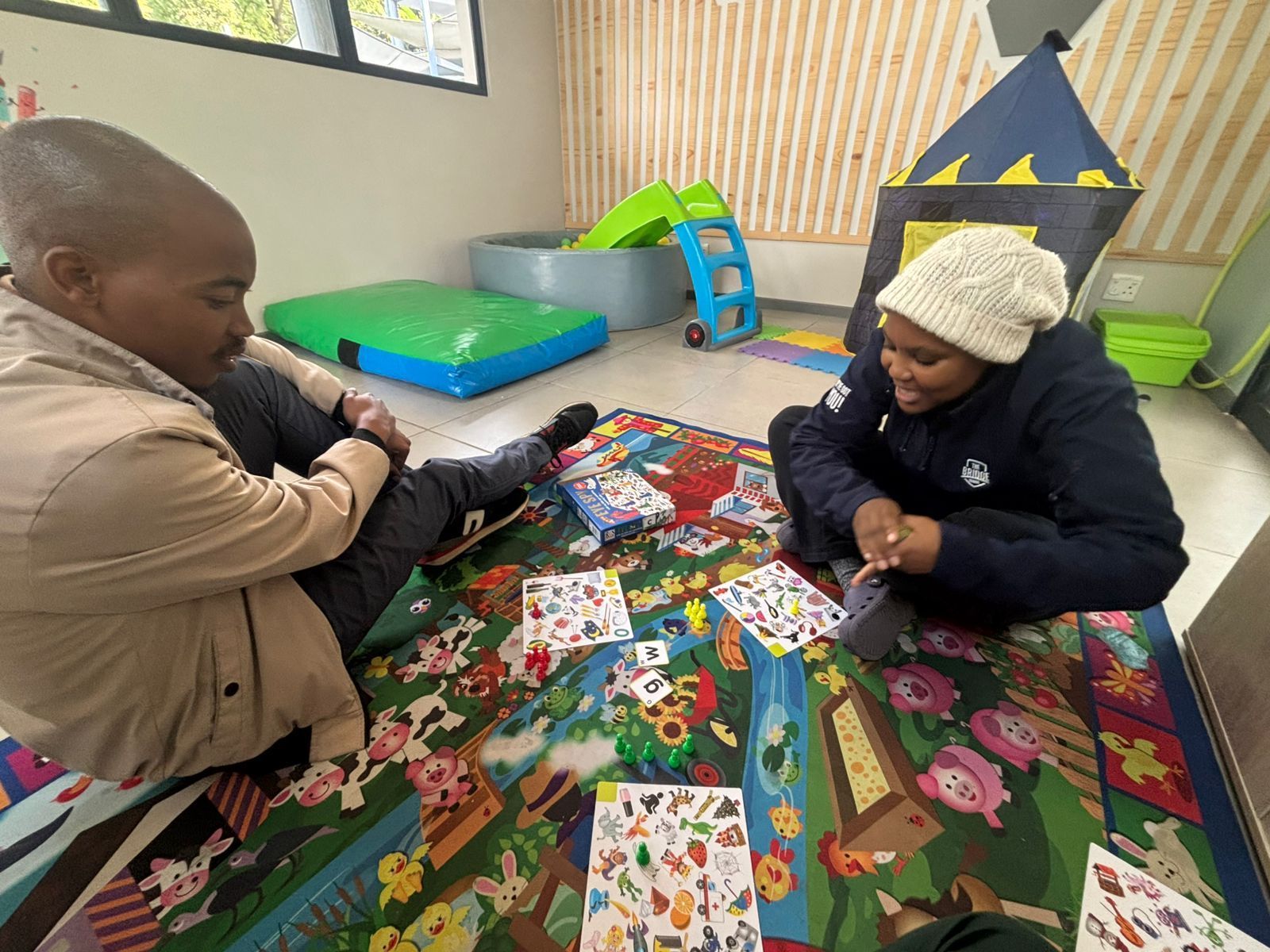
- Play number games and puzzles in a low-stakes, enjoyable context
- Break multi-step problems into smaller, sequential steps
- Bring maths into everyday life through shopping, cooking, and measuring
- Praise effort and persistence, not just correct answers
- Keep homework calm and pressure-free
- Avoid timed maths drills as this can heighten anxiety and reinforce a negative relationship with numbers
Consistency and patience go further than extra drilling. Home support matters but it works best alongside specialist intervention.
Dyscalculia Support at School
Schools can offer differentiated instruction, extended time in assessments, use of number aids, and one-to-one or small-group intervention. If you're concerned, request a meeting with your child's teacher or learning support coordinator.
Specialist learning intervention can make a significant difference for children with dyscalculia, particularly when it's tailored to how their brain processes information.
Parents who notice the signs and respond early can give their child a meaningful advantage. You're already doing that by being here and seeking assistance.
FAQs
- Can a child have both dyscalculia and dyslexia at the same time?
Yes. Co-occurrence is well-documented. A significant proportion of children with dyslexia also show dyscalculia traits. If you suspect both, a comprehensive psycho-educational assessment will look at the full picture across reading, language, and numerical processing. - Is dyscalculia a permanent condition, or can children grow out of it with the right support?
Dyscalculia is a lifelong neurological difference, but its impact can reduce significantly with the right support. Many children develop effective strategies and go on to manage maths well in everyday life. Early intervention and specialist teaching make a meaningful difference to long-term outcomes. - How do I know if my child's maths struggles are dyscalculia or simply maths anxiety?
The difference between maths anxiety and dyscalculia lies in origin and scope. Maths anxiety is an emotional response and can develop in any child, often after repeated negative experiences. Dyscalculia is neurological and affects the ability to process numbers even in low-pressure situations. The two can co-exist, which is why a specialist assessment is the most reliable way to distinguish them. - What should I say to my child's school if I suspect they have dyscalculia?
Be direct and specific. Share the behaviours you've observed at home — difficulty counting, confusion with time or money, slow number recall — and ask whether the school has noticed similar patterns. Request a meeting with the learning support coordinator and ask what assessment or referral process the school can initiate. - Are there specific tools or apps that are recommended for children with dyscalculia?
Yes. Apps and tools that use visual, game-based or multisensory approaches tend to work well. Look for tools that avoid timed elements, use concrete visual representations of number and allow children to work at their own pace. A specialist or remedial teacher can advise on the most appropriate tools based on your child's specific profile.