Friendship shouldn’t require an instruction manual
Childhood friendships come with an astonishing number of unwritten rules. Adults sometimes make things harder by assuming every child should want the same kind of social life.
School friendships have a peculiar kind of politics. Someone is your best friend on Monday, refuses to sit next to you on Tuesday and by Wednesday has formed an alliance with the child who stole your pencil in Grade 2.
Apparently, this is all perfectly normal.
Children spend a considerable amount of their school lives working out who likes whom, which games they’re allowed to join and whether yesterday’s disagreement has officially been forgotten.
Some manage these negotiations with relative ease. Others find the social world of school harder to understand.
For children who communicate differently, need more time to process social information or struggle with the unpredictability of group interactions, friendships can involve a great deal of conscious effort.
Adults naturally want to help. We encourage children to join games, practise conversation, invite classmates over and develop social confidence.
Sometimes that support is valuable.
But before deciding that a child needs a more active social life, it’s worth finding out whether they actually want one.
The problem with counting friends
A child sitting alone at break can provoke immediate adult concern.
The teacher wonders whether they’re being excluded. The parent worries that nobody likes them. Someone suggests a friendship group or a structured activity.
These responses may be appropriate if the child is lonely or struggling to connect.
But the child might simply be enjoying twenty minutes without having to talk to anyone.
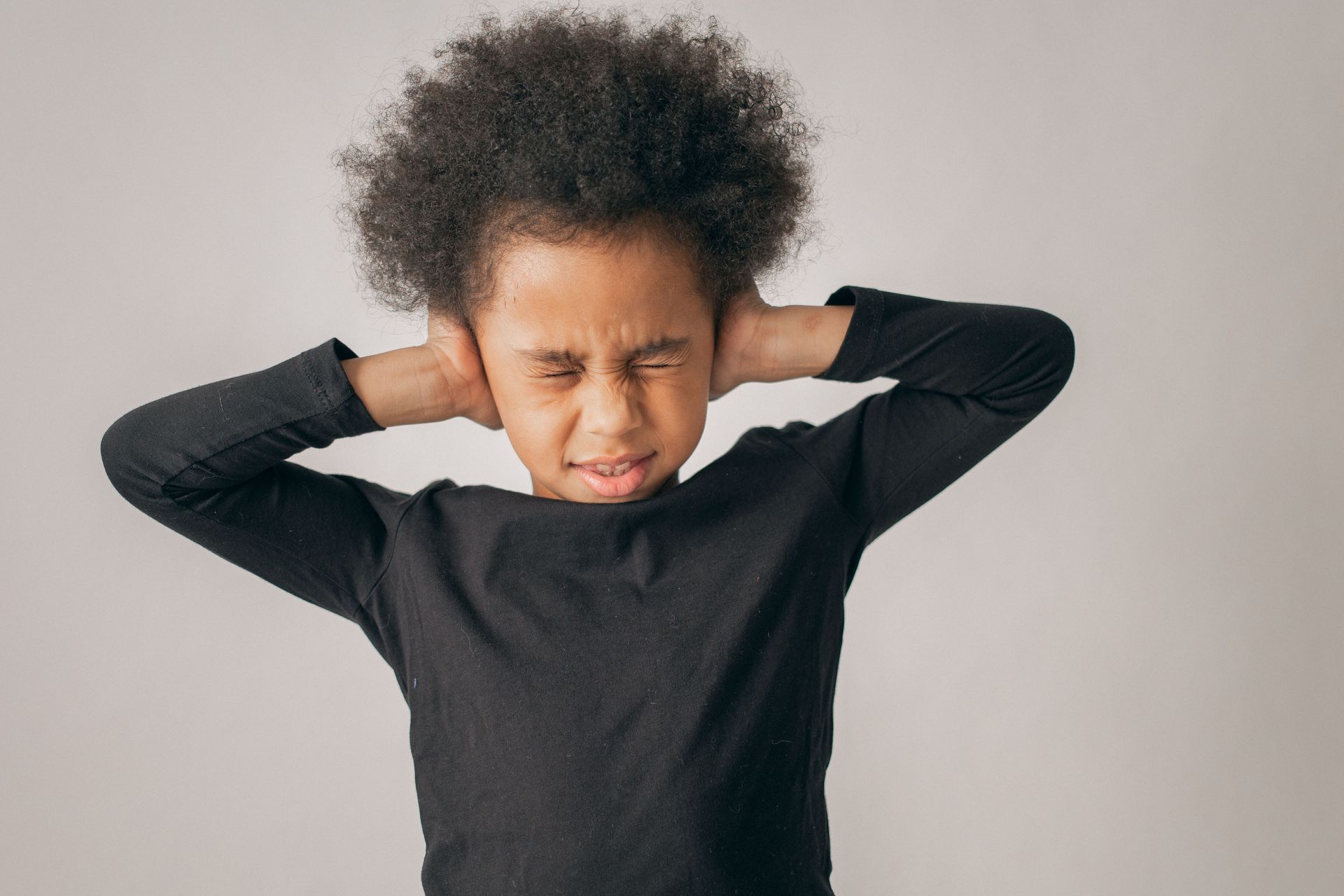
For some children, particularly those who find busy social environments demanding, time alone provides a welcome opportunity to recover.
Others prefer one close friendship to a large group. They may enjoy predictable interactions, shared interests or spending time alongside another child without constant conversation.
A child reading alone during break may be perfectly content. Another child doing exactly the same thing may feel painfully excluded.
The difference cannot be determined by watching from across the playground.
Adults need to understand the child’s experience before deciding what needs to change.
A simple conversation can reveal whether a child enjoys their time alone, wishes someone would invite them to join in or is avoiding particular classmates because of previous difficulties.
There is a tendency to regard increasing social participation as evidence of progress. More friends, more invitations and greater involvement in group activities can certainly be positive developments.
But the quality of a child’s relationships and their sense of belonging tell us more about social wellbeing than the size of their friendship group.
The friendships adults celebrate too quickly
For a child who has struggled socially, making a friend can feel like an enormous achievement.
Parents are relieved. Teachers are delighted. Everyone hopes the friendship will continue.
The child may feel the same way.
But the desire to belong can make some children reluctant to question how they’re being treated.
A child who has experienced repeated rejection may agree to activities they dislike, surrender their belongings or tolerate unkind behaviour because they fear losing the relationship.
They may laugh at jokes they don’t understand or accept being the constant target of teasing because the alternative appears to be exclusion.
From a distance, the child seems to have found a group.
Closer examination may reveal that maintaining their place requires compromise, almost entirely on their side.
Children need to learn that friendship involves give and take. People disagree, prefer different activities and occasionally hurt one another’s feelings.
A healthy relationship can accommodate those differences.
Repeated humiliation, threats of exclusion, controlling behaviour or disregard for boundaries are different concerns.
Imagine a child who is delighted to have been included in a playground game. Over several weeks, the same classmates repeatedly insist that the child takes the least desirable role. When the child objects, they’re told they won’t be allowed to play.
The child continues participating because being included, even on those terms, feels preferable to being alone.
An adult watching from a distance may see a child happily joining a group.
A conversation about how the child experiences those interactions may reveal something quite different.
The response should help the child recognise their right to express preferences and set boundaries. It should also address the behaviour of the other children.
Expecting the child to become better at tolerating unfair treatment would be a peculiar definition of social progress.
Adults should nevertheless listen carefully before judging a friendship simply because it looks unconventional.
Two children who enjoy an unusual shared interest may have a perfectly rewarding relationship, even if their interactions don’t resemble those of their classmates.
Social skills belong to everyone
Much of the discussion around neurodivergent children’s friendships focuses on the skills they need to develop.
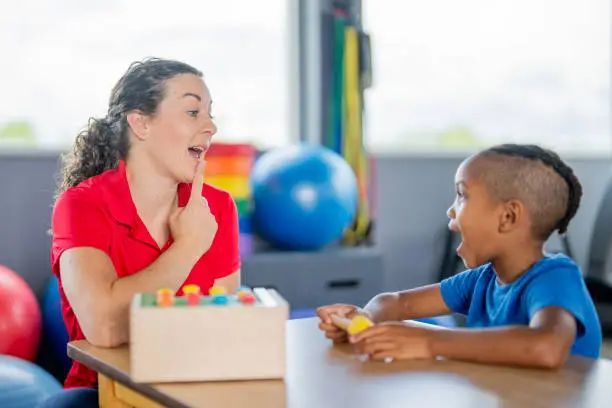
They may be encouraged to practise conversational turn-taking, recognise facial expressions, understand humour or respond appropriately to social cues.
These skills can be useful, particularly when they help children communicate their needs, recognise boundaries and manage disagreements.
The difficulty arises when the responsibility for successful interaction falls almost entirely on the child who communicates differently.
Consider a child who speaks very directly. Their classmates interpret this as rudeness, while the child is confused by the indirect language and implied meanings used by their peers.
Helping the child understand how their words might be received is useful.
Helping their classmates understand that direct communication isn’t necessarily intended to offend is equally useful.
Both sides have something to learn.
The same principle applies to shared interests, conversational pace and different ways of expressing attention or affection.
A child who finds eye contact uncomfortable may still be listening carefully. Someone who prefers talking while engaged in an activity may communicate more comfortably than they do in a face-to-face conversation.
Adults can help children recognise these differences without suggesting that every unfamiliar behaviour needs correcting.
Social development involves learning to consider other people’s experiences. That expectation applies to everyone in the interaction.
Friendship cannot be assigned
Schools have an important role in helping children develop relationships.
Structured activities, shared-interest groups and collaborative projects create opportunities for children to get to know one another. Teachers can support misunderstandings, encourage respectful communication and address exclusion.
These approaches are particularly helpful for children who find unstructured playground interactions difficult.
But there are limits to adult intervention.
A teacher can encourage two children to work together. A parent can arrange an opportunity for them to spend time together. Neither can guarantee that a friendship will develop.
Forcing children to include someone in every activity can create resentment rather than genuine connection.
Children should be expected to treat one another respectfully. They should not be required to become close friends.
This distinction becomes particularly important when a child is experiencing exclusion or bullying.
Ordinary friendship difficulties involve disagreements, changing loyalties and sometimes the disappointment of discovering that someone no longer wants to spend time together.
Bullying involves a different pattern of behaviour, often including repeated targeting and a power imbalance. Deliberate humiliation, intimidation and persistent social exclusion require adults to investigate and respond.
When a child reports repeated mistreatment, parents should document specific incidents and raise their concerns with the class teacher or relevant school staff member. The school’s bullying and safeguarding procedures should guide the response, with appropriate follow-up to establish whether the behaviour has stopped.
A child should never be expected to tolerate mistreatment as an exercise in resilience.
The response should address the harmful behaviour rather than placing the entire burden on the child experiencing it to become more socially skilled.
Helping children recognise good friendship
Parents understandably want practical ways to support their children’s relationships.
The starting point is usually a conversation, although perhaps not the kind that begins with an anxious interrogation about why nobody came over at break.
Children may be more willing to talk while doing something else, particularly if discussing friendships directly feels uncomfortable.
Listening to how they describe their experiences can be revealing.
A child might mention that a particular friend always chooses the game, becomes angry when they disagree or makes them feel embarrassed in front of others.
Rather than immediately deciding what the friendship means, an adult can help the child examine what happened and consider how they would like to respond.
This might involve practising a way to express a preference, recognising when to seek adult help or deciding whether the friendship is one they want to continue.
For children who would like more opportunities to connect, shared interests provide a natural starting point.
A chess club, art activity, gaming group or small project allows friendships to develop around something both children enjoy.
These environments can reduce the pressure of conversation for its own sake.
The important consideration is whether the experience is enjoyable and meaningful to the child.
A friendship that involves two children drawing together may be every bit as valuable as one involving a lively group on the playground.
A place to belong
Belonging is a complicated business, particularly during childhood.
Children want acceptance, but they’re also developing their identities, preferences and understanding of relationships.
They need opportunities to learn compromise, recognise other people’s boundaries and recover from disagreements. They also need to know that their own boundaries deserve respect.
For neurodivergent children, this may involve finding peers who appreciate their communication styles, interests and ways of interacting.
For their classmates, it involves learning that friendship doesn’t require everyone to think, communicate or behave in exactly the same way.
Adults can create opportunities, offer guidance and intervene when relationships become harmful.
They can also resist the temptation to measure social success according to how closely a child resembles the most outgoing person in the class.
The number of names on a birthday invitation is a rather poor measure of happiness.
And if two children have spent the entire term discussing dinosaurs, with neither showing the slightest desire to change the subject, perhaps they’ve already worked out something the adults are still trying to teach them.