Therapies at School: Occupational, Speech and Psychological Support Explained
Key Takeaways
- Therapies at school provide practical support within a child's everyday learning environment.
- In-school therapy allows children to practise new skills immediately in the classroom.
- Occupational therapy develops the foundational skills needed for learning.
- Speech and language therapy supports communication, literacy and social interaction.
- Psychological support strengthens emotional wellbeing and learning readiness.
- A multidisciplinary school team delivers integrated therapy education, ensuring everyone works towards shared goals.
- Parents play a vital role in supporting their child's progress at home and at school.
If you've recently been told that your child may benefit from therapies at school, you probably have some questions. What does occupational therapy at school involve? How does speech therapy work in a school setting? And what is the role of a school psychologist? These are common questions for parents, and
understanding the answers is the first step towards ensuring your child receives the right support.
In-school therapy provides early, practical support that helps children develop the skills they need to learn, communicate and thrive within their everyday school environment. Delivered by a multidisciplinary school team, this collaborative approach ensures every child receives the right support at the right time through integrated therapy education.
This guide explains what each type of therapy involves, why receiving support at school makes such a meaningful difference, and how therapists, teachers and families work together to support your child's growth.
Why In-School Therapy Makes a Meaningful Difference
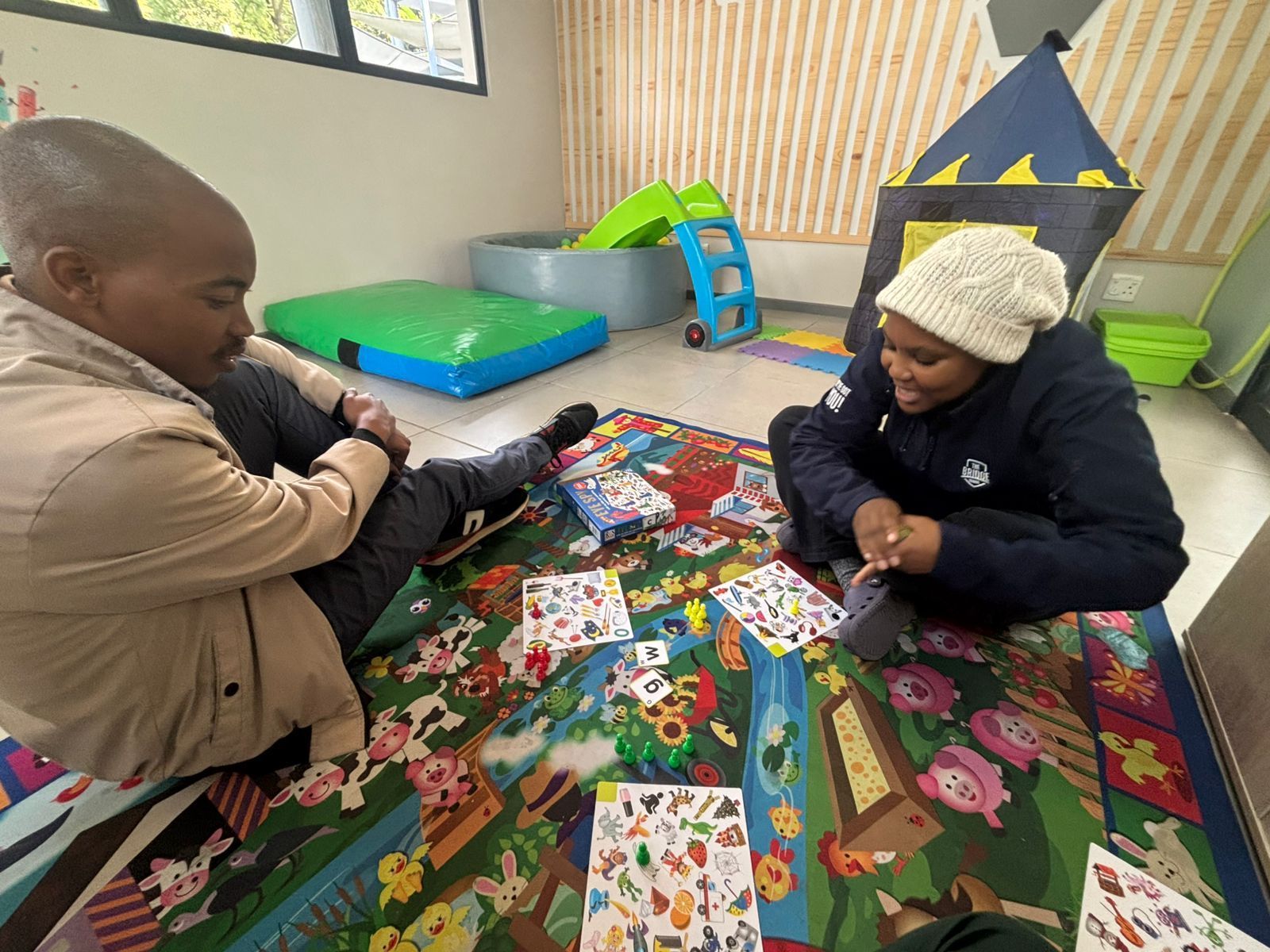
One of the greatest benefits of therapies at school is that support happens in the same place where children learn, play and interact every day. Therapists can observe children during classroom activities, break times and transitions. This gives them a clearer understanding of what support is needed.
Skills practised during school can immediately be applied in class. Teachers, therapists and parents also communicate regularly, ensuring everyone is working towards the same goals.
Learn more about the impact of early intervention and why early therapeutic support matters.
Occupational Therapy at School: What It Is and Who It Helps
Many parents are curious as to what occupational therapy at school involves. Occupational therapy (OT) focuses on the foundational skills children need to participate successfully in learning and daily school life.
A school-based occupational therapist may support:
- Handwriting and fine motor development
- Sensory processing and regulation
- Gross motor coordination and body awareness
- Independence with daily routines
- Planning, organisation and sequencing of tasks
OT isn’t academic tutoring. Instead, it helps children develop the physical, sensory and organisational skills that make learning possible.
For a closer look at occupational therapy at The Bridge, explore how OT supports learning at school. You can also watch our occupational and speech therapy webinar to learn more.
Speech and Language Therapy at School: Beyond Pronunciation
Many people assume that speech therapy only helps children pronounce words correctly, but speech therapy in a school setting goes far beyond speech sounds.
Speech and language therapy can support:
- Understanding and using language
- Vocabulary and grammar development
- Reading and spelling through phonological awareness
- Social communication skills
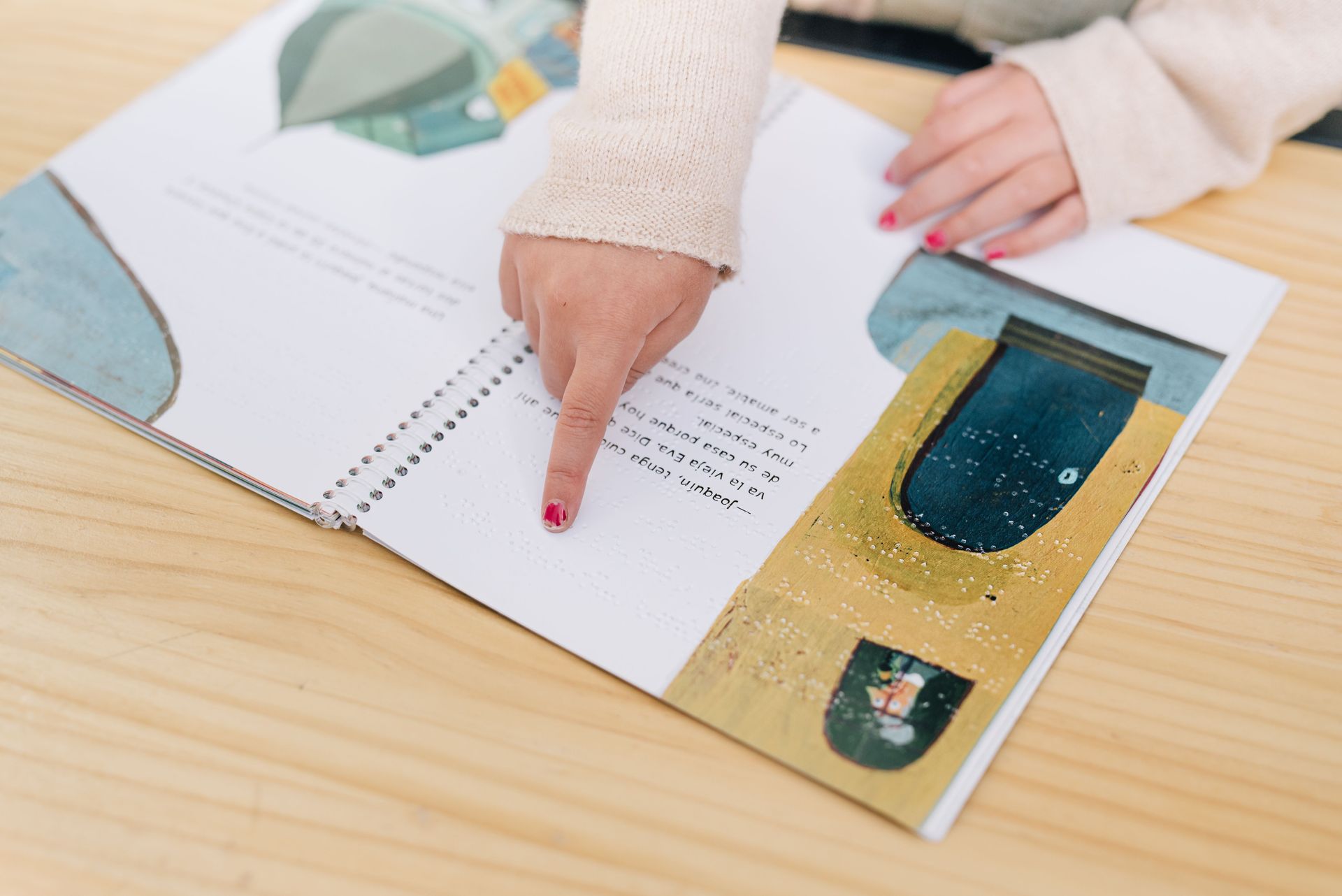
- Alternative communication methods where needed
Sometimes language difficulties are mistaken for poor motivation or learning challenges when communication is actually the underlying issue.
Parents may also find it helpful to read about understanding gestalt language processing, phoneme-grapheme awareness and literacy, and understanding speech disorders in children. You can also watch our speech therapy at The Bridge webinar for additional guidance.
Psychological Support at School: Wellbeing as a Learning Foundation
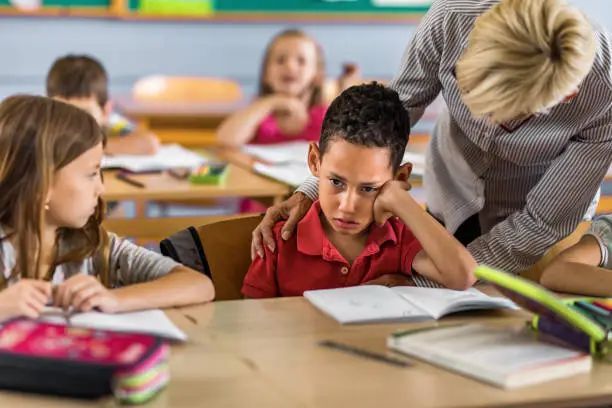
Parents often wonder what the role of a school psychologist is. A school psychologist supports children's emotional wellbeing alongside their learning.
This may include helping children with:
- Anxiety and emotional regulation
- Self-esteem and confidence
- Social relationships
- Life transitions
- Learning profiles and educational assessments
Unlike a clinical psychologist, a school psychologist focuses on helping children succeed within the educational environment while collaborating closely with teachers and therapists. Where necessary, they may recommend external support.
Psychological support is simply another valuable part of therapies at school, helping children feel confident, secure and ready to learn.
How the Multidisciplinary Team Works Together
What is a multidisciplinary team at a specialist school? At The Bridge, a multidisciplinary school team works collaboratively rather than independently.
This means:
- Regular communication between teachers and therapists
- Shared therapy goals across the school day
- Consistent strategies in classrooms and therapy sessions
- Regular progress updates for families
- Practical home strategies for continued support
Parents are an essential part of this team. Their observations, questions and feedback help ensure that integrated therapy education remains consistent between home and school.
What to Expect When Your Child Starts Therapy at School
When does a child need therapy at school? While every child is different, support usually begins with an assessment to understand strengths, challenges and goals.
Parents can expect:
- An initial assessment
- Shared therapy goals
- Regular therapy sessions
- Ongoing progress updates
- Practical ideas to reinforce skills at home
Many families ask what to expect when your child starts therapy at school. Some children settle into therapy immediately, while others need time to build trust with their therapist. Progress is often gradual, but consistency between home and school makes a significant difference.
How does in-school therapy help children with learning difficulties? By addressing communication, motor skills, emotional wellbeing and independence together, children are better equipped to participate confidently in their learning journey.
By asking questions and seeking support early, you're already taking an important step in advocating for your child's future.