Big Feelings at School: A Student’s Guide to Self-Regulation
Key Takeaways
- Big feelings at school are normal and universal
- Self-regulation is a skill, not a fixed trait
- Noticing comes first, then choosing a strategy
- Asking for help is part of regulating, not failing at it
- Adults who co-regulate and model calm support this growth best
Everyone has big feelings sometimes. This could be frustration, worry, anger or sadness. Having these feelings isn’t the problem. What matters is what you do next. Self regulation for kids is a skill you can learn and practise, not something you're born with or without. This guide is warm, practical and on your side.
What Are Big Feelings and Why Do They Feel So Big?
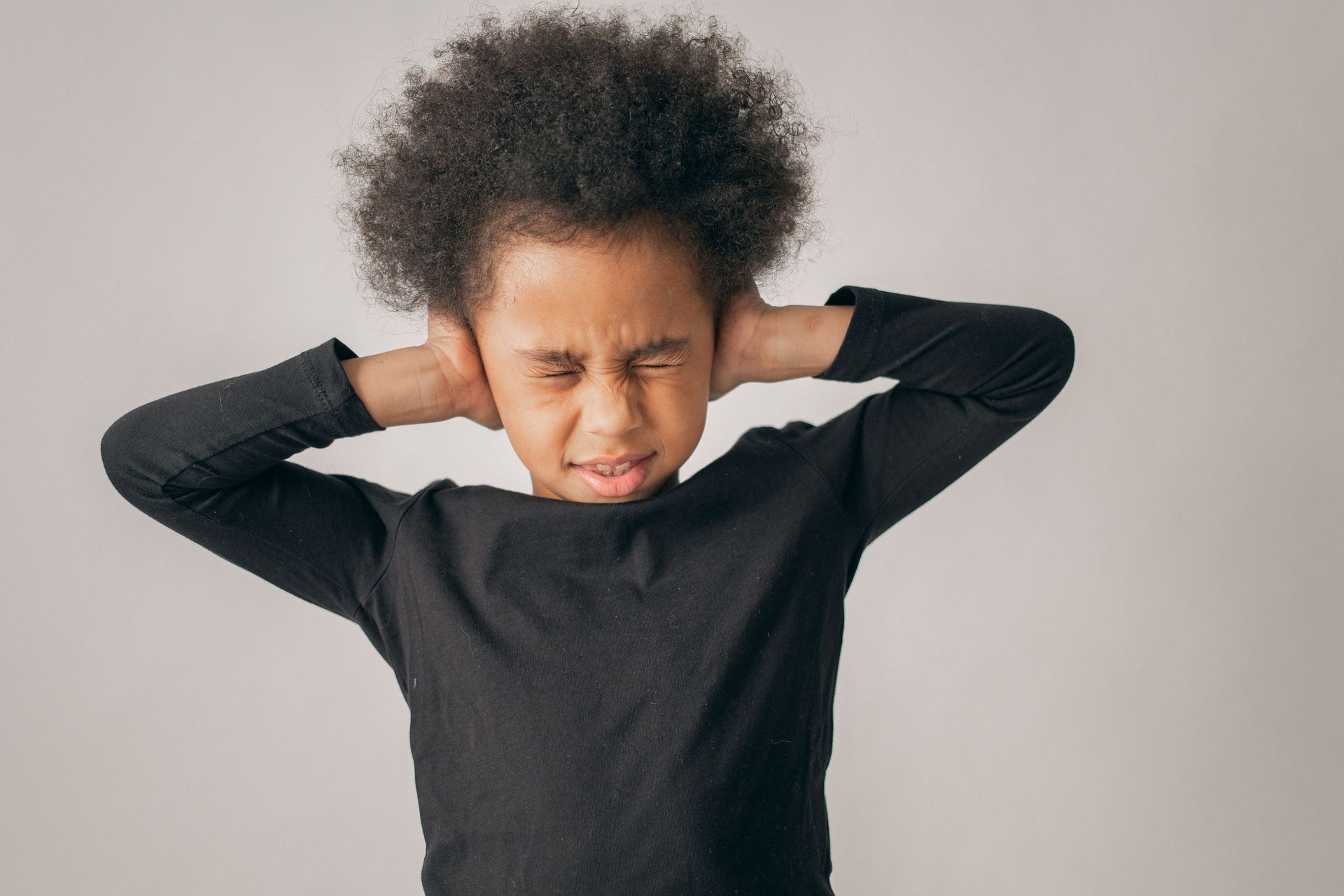
A racing heart. A tight chest. A hot face. Tears before you can stop them. That's your brain and body doing their job. It doesn’t mean that something’s broken. Some children feel emotions more intensely than others. That's not a weakness. For families noticing this pattern, understanding emotional dysregulation can explain why emotional dysregulation in children at school can affect some more than their peers.
What Is Self-Regulation and Why Does It Matter at School?
What is self regulation and why does it matter for children? Self regulation is noticing what you feel, understanding your body and mind and then choosing how to respond instead of reacting. It's not about suppressing feelings or pretending you're fine. It's about building tools to manage them. If you've ever wondered why does my child have such big feelings at school, know this: self-regulation affects concentration, friendships, and the ability to keep learning when things feel hard. Self regulation for kids develops over time, and school is where much of that practice happens.
Recognising Your Feelings: The First Step
Noticing is harder than it sounds. Practising emotional regulation students skills starts with paying attention to body signals, the tight stomach before a test, the tense shoulders when something feels unfair. Naming the feeling, rather than acting on it, is powerful. Try a simple feelings scale, from calm to overwhelmed, to check in with yourself. Naming what you feel helps you choose what to do next.
Calming Strategies That Work: A Toolkit for Students
Here are some calming strategies kids can use that are part of any self regulation toolkit for primary school students:
- Slow breathing — in for four, hold for four, out for four
- Grounding — name five things you see, four you hear, three you feel
- Movement breaks or fidget tools to release energy
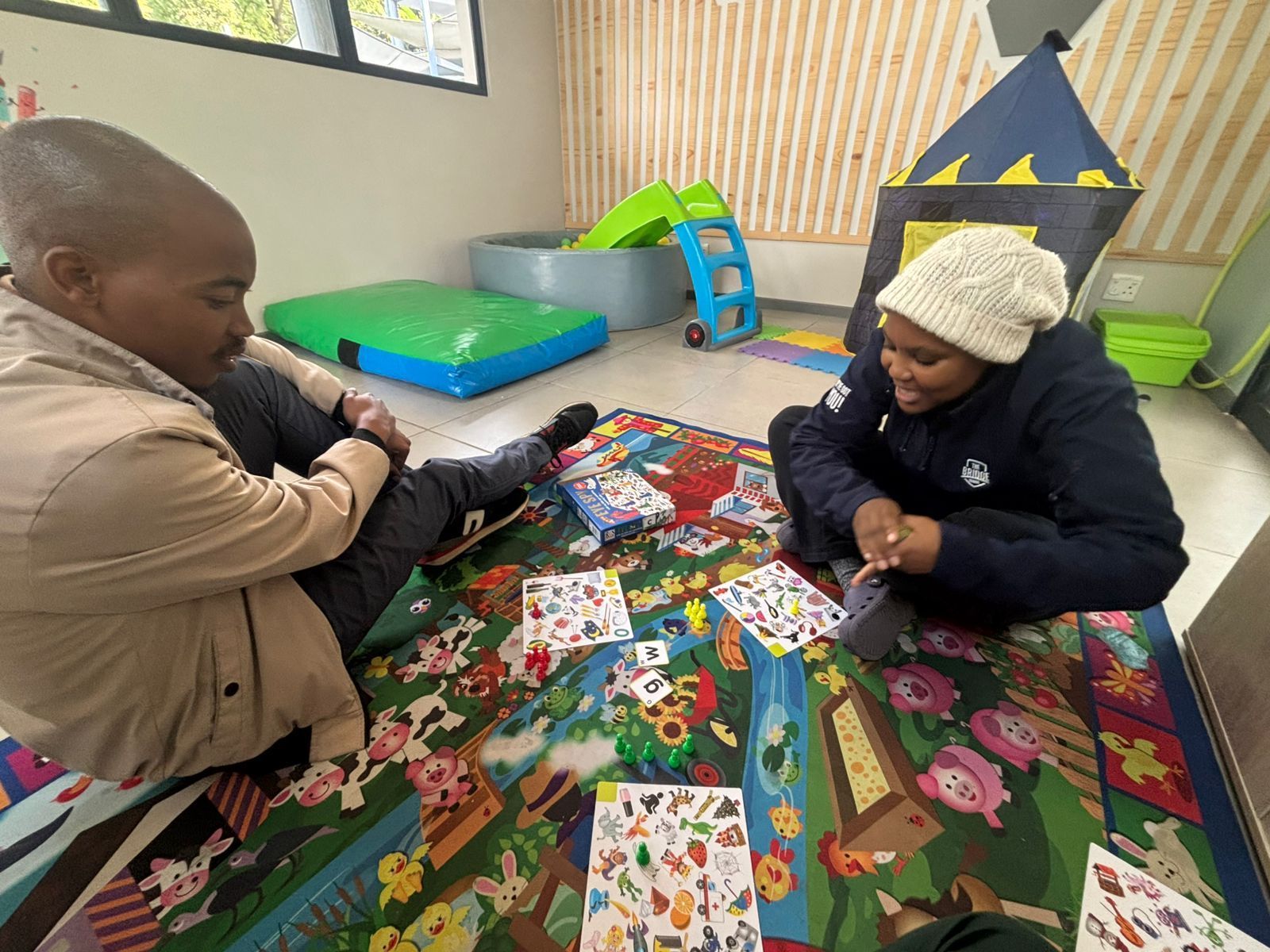
- A quiet space to reset, like our calming spaces at The Bridge
- Drawing or writing as a non-verbal outlet
- Asking a trusted adult before the feeling grows too big
These are genuine calming strategies for kids with big emotions. Not every strategy works for every child. Find two or three that feel natural, and then practise them often.
When Feelings Are Bigger Than the Toolkit Can Handle
Sometimes feelings are too big to manage alone. But that’s not a sign of failure. If you're wondering how to help a child who struggles with emotional regulation beyond everyday strategies, know that reaching out is a form of regulation. Asking a teacher, parent or support person for help means recognising a feeling is too big and choosing connection over shutting down. Explore our webinar on emotions and learning for more on this.
How Adults Can Support Self-Regulation at School and Home
Wondering how do adults support self regulation in children? It starts with co-regulation: a calm adult helping a dysregulated child find calm again. Model emotional vocabulary. Validate feelings without reinforcing unhelpful behaviour. Build predictable routines that reduce daily pressure. Learning how to teach self regulation to children at school works best through relationship and not correction. For more on how emotional strengths build readiness, see emotional superpowers and self-regulation.
You aren’t your feelings. Learning to work with them is one of the most important things you will ever do.