Understanding autism
Autism is a developmental difference that affects how a person communicates, interacts, and experiences the world. Gain a clearer understanding of autism, its diverse characteristics, and how to provide meaningful support for autistic individuals and their families.
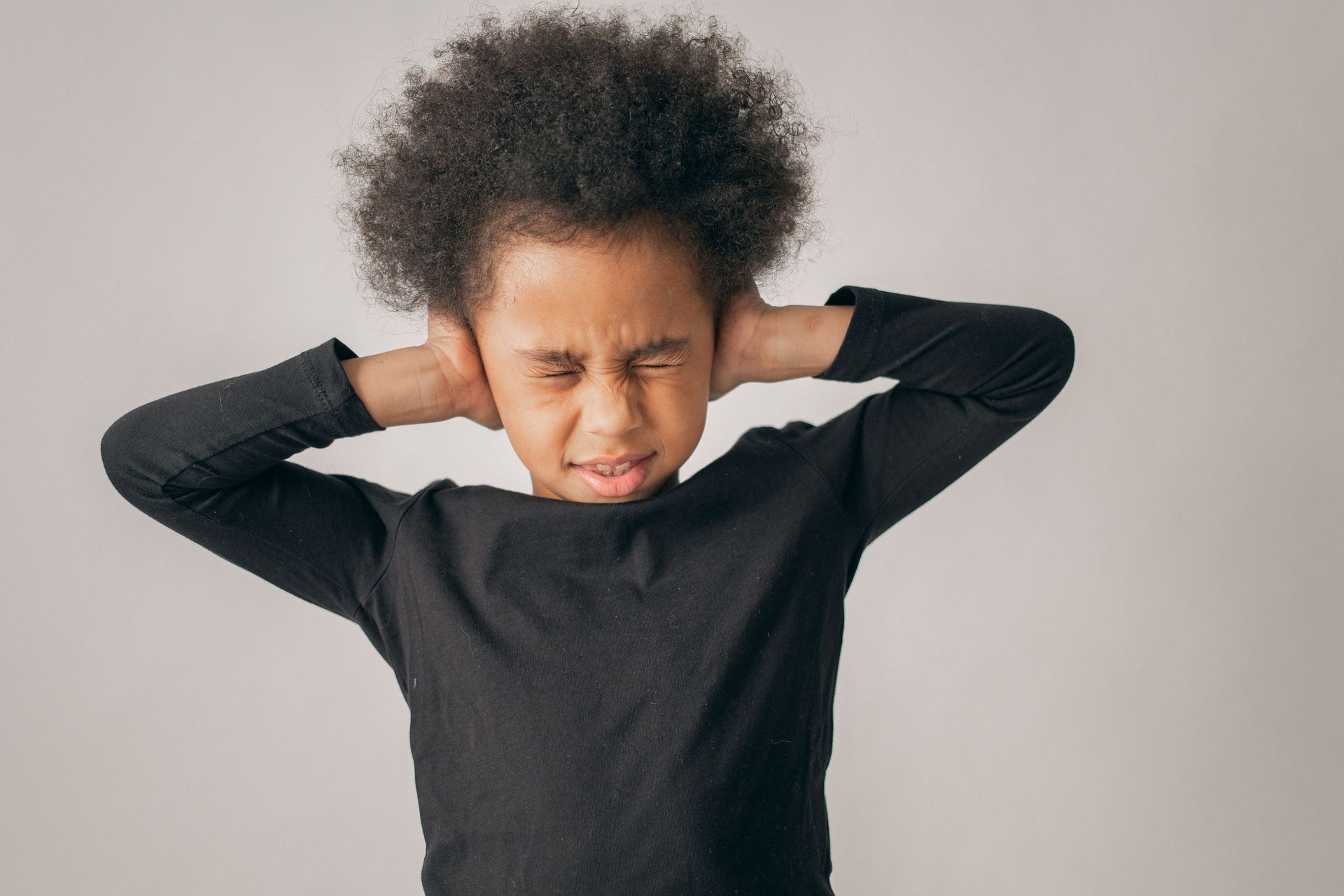
Some children seem to experience the world with the volume turned all the way up.
A fluorescent light that everybody else ignores. A classroom that feels unbearably loud by lunchtime. The scratchy tag in the back of a jersey that suddenly becomes the only thing they can think about. A change in routine that appears tiny to adults but feels enormous to the child experiencing it.
A social interaction that requires so much concentration it leaves them exhausted afterwards.
Autism is often spoken about in clinical terms, but for many families, it first appears in ordinary moments. A child who struggles unexpectedly in busy environments. A child who seems overwhelmed after school. A child who misses social cues, avoids eye contact, becomes deeply focused on specific interests, or reacts strongly to unpredictability.
Autism is not one single presentation, personality type or ability level. It is a neurodevelopmental difference that affects how a person experiences, processes and interacts with the world around them. Some autistic children are highly verbal. Some are minimally speaking or communicate differently. Some need significant day-to-day support, while others appear to cope well on the surface but are carrying enormous internal effort.
That is why people often refer to it as a spectrum.
Not because autistic people are “more” or “less” autistic than one another, but because autism can look very different from person to person.
What autism can look like
Autism may present differently depending on the child, their age, personality, support system and environment. Some signs may be noticed very early, while others become more visible once school, social expectations and sensory demands increase.
An autistic child may:
- become overwhelmed in noisy, crowded or unpredictable environments
- struggle with sudden changes or transitions
- need routine and predictability to feel safe
- communicate differently from peers
- take language very literally
- miss social cues or struggle to read facial expressions and tone
- become deeply focused on particular interests or topics
- experience strong sensory sensitivities
- mask or copy peers in order to fit in socially
- appear calm at school but emotionally collapse at home
- struggle to explain emotions or internal experiences
- need additional processing time
- become distressed when plans change unexpectedly
- use movement, repetition or sensory behaviours to regulate themselves
Not every autistic child will show all of these traits.
Some children are identified early. Others are missed for years because they are academically capable, highly verbal, socially imitative, quiet or working incredibly hard to blend in.
Girls in particular are often overlooked because their autism may not look the way people expect it to.
What masking can look like
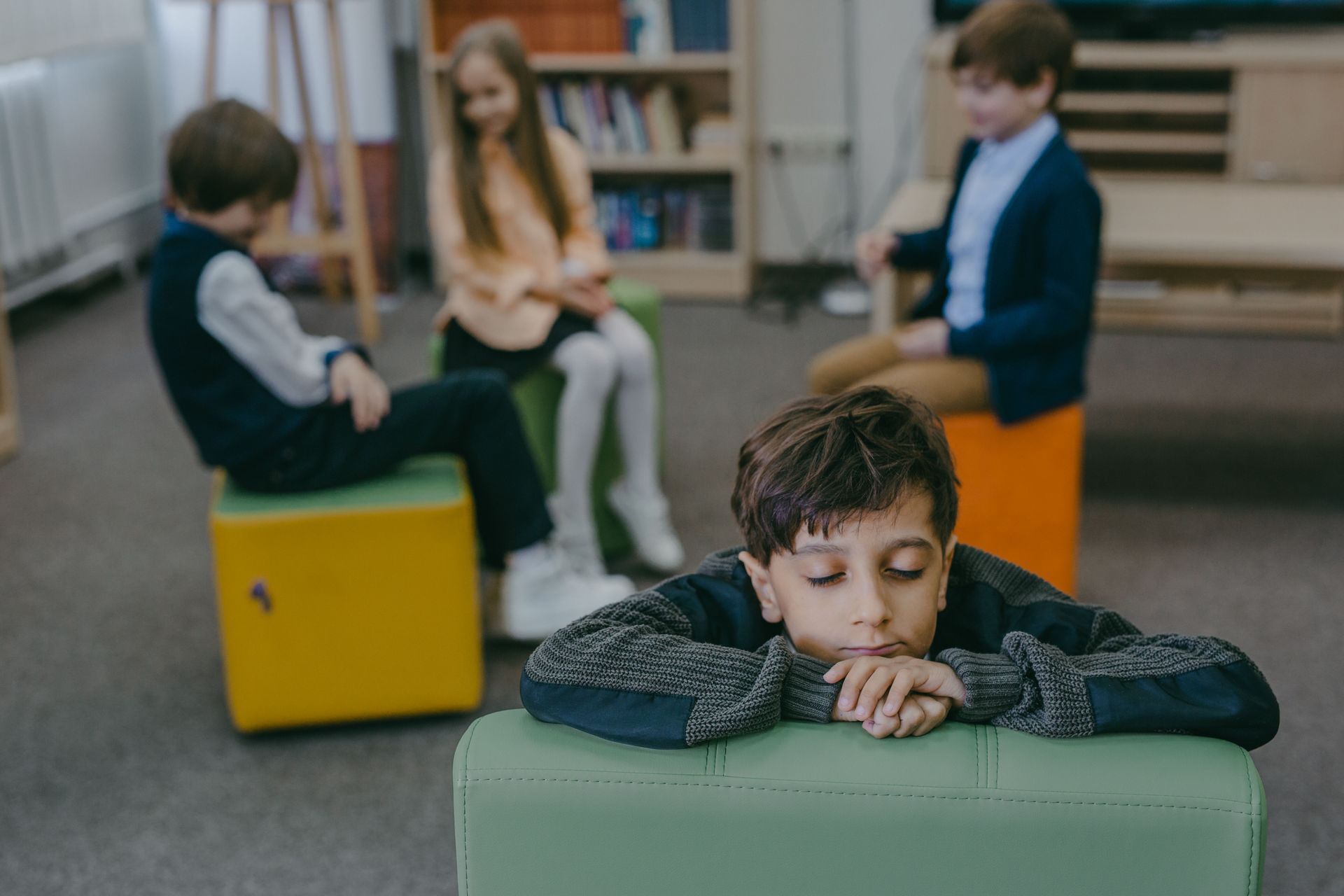
Many autistic children spend large parts of the day trying to appear “fine”.
They may copy peers, rehearse conversations, force eye contact, suppress sensory discomfort, stay extremely quiet in class or work very hard to follow social rules that other children seem to understand instinctively.
Adults often assume this means the child is coping well.
Sometimes it simply means the child is using huge amounts of energy to hold everything together.
This is one reason many parents hear:
“They’re absolutely fine at school.”
…while home tells a very different story.
After-school meltdowns, shutdowns, emotional exhaustion and sensory overwhelm are often the release valve after a day of constant effort.
What autism is often mistaken for
Autistic children are frequently misunderstood.
Depending on how autism presents, a child may be described as:
- rude
- defiant
- overly sensitive
- shy
- dramatic
- obsessive
- controlling
- lazy
- anxious
- immature
- socially uninterested
- badly behaved
Sometimes adults focus only on behaviour without recognising the stress, overload, confusion or sensory discomfort underneath it.
A child refusing to enter a noisy hall may not be “difficult”.
A child melting down after a timetable change may not be “manipulative”. A child who avoids group work may not be antisocial.
Often, there is far more happening beneath the surface.
Sensory differences
Many autistic children experience the sensory world differently.
This can include heightened or reduced sensitivity to:
- sound
- light
- touch
- texture
- smell
- movement
- temperature
- crowds
- clothing
- food textures
Some children become overwhelmed by sensory input very quickly. Others actively seek sensory experiences such as movement, pressure, spinning or repetitive input.
Sensory overload can affect concentration, emotional regulation, behaviour, sleep, learning and social participation.
Sometimes a child is not “overreacting”. Their nervous system may genuinely be experiencing the environment as overwhelming.
Communication and social interaction
Autistic communication differences are often misunderstood as a lack of interest in people.
In reality, many autistic children want connection deeply, but may communicate, process or interact differently.
Communication differences can show up in many different ways.
A child may struggle with the fast back-and-forth rhythm of conversation, miss implied meaning, take language literally or find group discussions exhausting to keep up with. Some children communicate more comfortably around shared interests or in one-on-one settings where there is less pressure to read multiple social cues at once.
Others may need additional time to process spoken information, especially in busy or noisy environments.
Others may speak fluently but still find social interaction exhausting because of the amount of conscious processing involved.
Emotional regulation and overwhelm
Autistic children often experience emotions intensely.
When a child is overwhelmed, overloaded or unable to process what is happening around them, this may lead to:
- meltdowns
- shutdowns
- withdrawal
- emotional flooding
- rigid behaviour
- panic
- exhaustion
These moments are not usually about “attention-seeking”.
They are often signs that the child’s nervous system has exceeded its capacity to cope.
Strengths and capacity
Autistic children are individuals first.
Many autistic people also show strengths in areas such as:
- deep focus and concentration
- honesty and directness
- creativity
- pattern recognition
- memory
- attention to detail
- problem-solving
- loyalty
- specialist interests and expertise
- original thinking
Not every autistic child will show the same strengths, and strengths should never be used to dismiss support needs.
A child can be highly intelligent and still struggle enormously with sensory overwhelm, anxiety, transitions or social exhaustion.
Supporting autistic children at school
Children generally cope better when the focus shifts away from making them look “typical” and towards helping them feel safe enough to learn.
For some children, simply getting through a noisy assembly, a substitute teacher, an unexpected timetable change or a crowded sports day may already require a huge amount of effort.
Helpful supports may include:
- predictable routines
- visual supports and clear expectations
- sensory-aware classrooms
- reduced overwhelm where possible
- movement and regulation opportunities
- processing time
- preparation for transitions and changes
- calm communication
- flexible approaches to participation
- safe spaces for emotional reset
- understanding around sensory needs
Children generally do better when adults become curious about what behaviour may be communicating, rather than responding only to the behaviour itself.
Supporting autistic children at home
At home, support often begins with recognising how much effort many autistic children are already using simply to get through the day.
Helpful approaches may include:
- reducing unnecessary overwhelm
- creating predictable routines where possible
- preparing children for changes ahead of time
- allowing recovery time after school
- supporting sensory needs
- using calm, direct communication
- recognising signs of overload early
- focusing on connection before correction
- understanding that behaviour is often communication
Parents do not need to create a perfect home.
Often, the most important thing is that home becomes the place where a child no longer has to hold everything together.
When to seek support
Some families notice signs of autism early. Others begin asking questions later when social, emotional or school demands increase.
If a child is consistently struggling with sensory overwhelm, communication differences, emotional regulation, social interaction, rigidity, anxiety or coping with everyday demands, it may help to speak to an appropriately qualified healthcare or educational professional.
Assessment is not about labelling a child as “less than”.
For many families, understanding brings relief.
It provides language for experiences that previously felt confusing, isolating or constantly misunderstood.
A final thought
Autistic children are not failed versions of non-autistic children.
Many are trying to function inside environments that were simply not designed with their nervous systems in mind.
When adults shift from asking:
“Why are they behaving like this?”
to:
“What might this child be experiencing right now?”
everything begins to change.