Assisted Learning Students Returning to School
Dr. Greg Pienaar • 9 July 2020
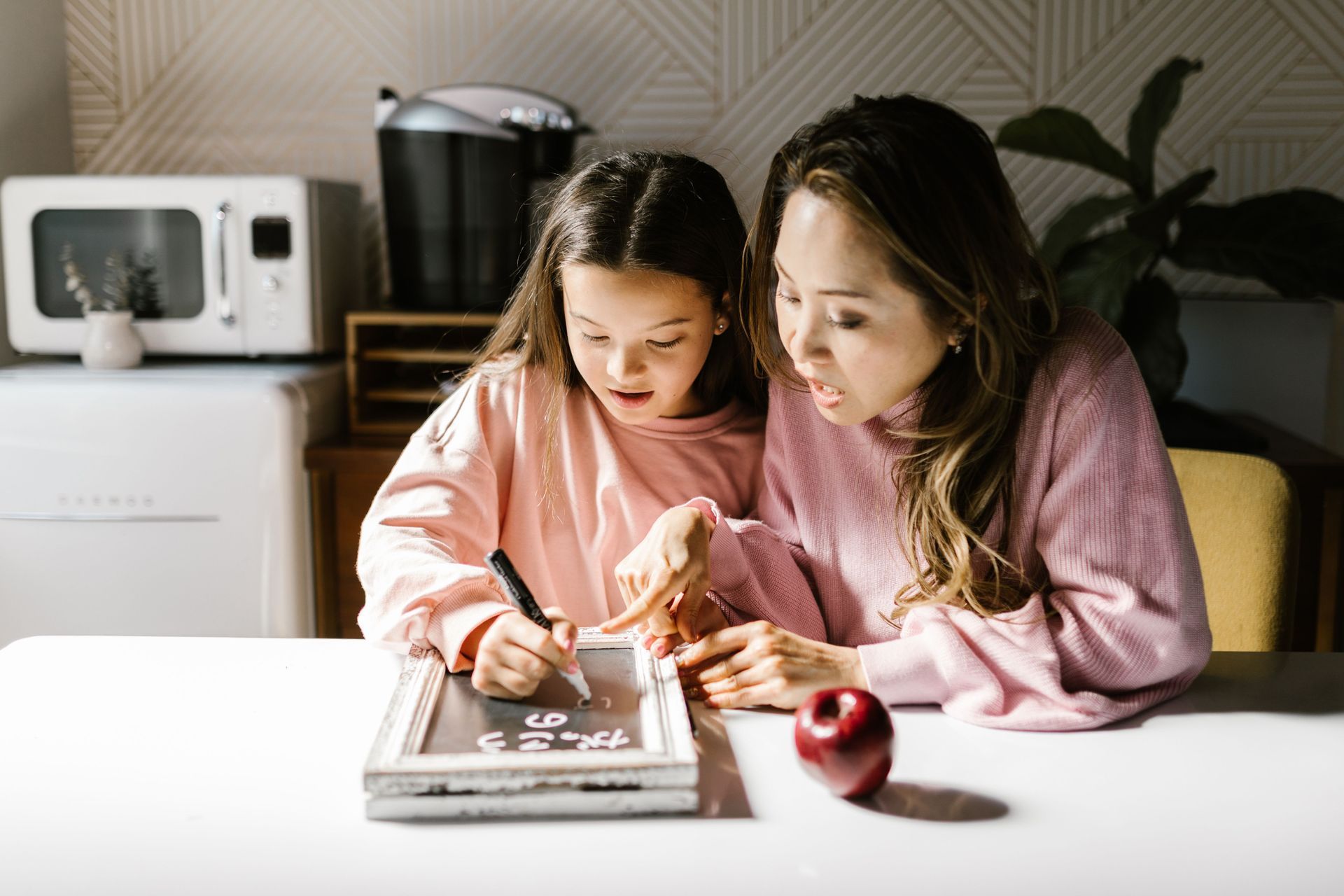
“Most parents and guardians who had to support their children with online learning during the initial hard lockdown will confirm that learning from home, even where all the resources were in place, and where children didn’t require specialised interventions, has been somewhat of a learning curve. While distance learning to some degree helped assisted learning students stay on track with their educational journeys, it simply can’t replace the important work that gets done in person by professional, specialist educators,” says Dr Greg Pienaar, Principal at The Bridge, a brand of ADvTECH, Africa’s leading private education provider.
The Bridge, which opened its doors in January 2018, has filled a niche demand in education, catering to students who face certain learning barriers and social or emotional challenges. Typically these children are not necessarily catered for in either mainstream or special needs schools. So for children with average to above average ability, whose learning is impacted by challenges such as ADHD, ADD, dyslexia, mild autism, anxiety, or children who have been through illness or trauma which has affected their scholastic progress, The Bridge has been a lifeline. A neurodiverse approach is followed at The Bridge, ensuring that all students are included, catered for and receive the additional support they require.
Students have been able to reap the benefits of small classes, an individualised learning approach and therapeutic programmes to address the challenges that kept them from succeeding in mainstream schools.
But Dr Pienaar says that while the lockdown was necessary, and widely supported to allow the country to prepare for the pandemic and ensure the safety of as many people as possible, it placed a substantial and not often acknowledged burden on students with particular needs.
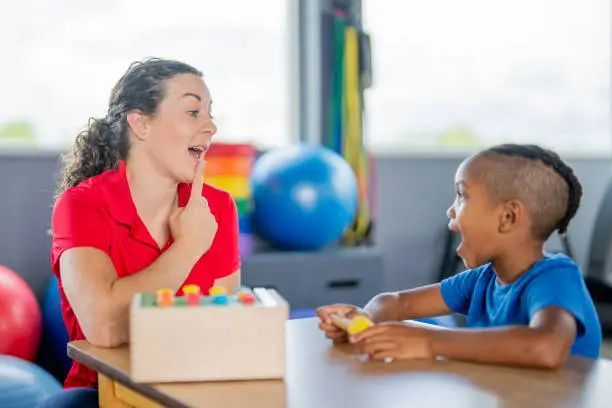
“For instance, for children on the Autism spectrum, being physically in the presence of other children and their teachers, often helps them to participate, which is not replicable in an online environment. Children with cochlear implants need to be able to see the face of their teachers as part of their therapeutic development, because lip-reading enables them to progress.”
Many assisted learning students have concentration and focus challenges, which specialised teachers are able to address more efficiently in the classroom.
“These students benefit from teachers prompting them gently and monitoring behaviour to enable focus and participation,” says Dr Pienaar.
Much has been said about the impact on lockdown on increasing anxiety in learners, this impact has been substantial for learners who had pre-existing struggles with anxiety.
“This anxiety appeared to be heightened when the children worked from home, particularly when connectivity failed or children felt they might be missing out on work or that they were not making progress. For students with sensory, motor or perceptual challenges, the return to school now means that they can once more see their therapists physically, whether an Occupational, Physio, or Speech Therapist. For the therapists to be able to interact in the same room with the child makes a tremendous difference,” says Dr Pienaar.
He says while all safety precautions are being taken at school, it is without a doubt in the interest of assisted learning students to be able to continue their educational journey physically in an environment that fosters academic excellence and empowerment through personal, specialised attention.
“In the few weeks since our students were able to return to school, we are already seeing them starting to flourish in this nurturing environment again, and we are hopeful that as normality returns to some degree, they will be getting back on track with renewed confidence and belief in their own abilities and their future.”

When anxiety hides behind behaviour

Understanding Sensory Load
A plain-language guide to occupational therapy, speech and language therapy, and psychological support in schools — what parents need to know.
Help children manage big feelings at school with this practical guide to self-regulation — calming strategies, emotional awareness & advice for parents.
One of the more confusing things about children is how extraordinarily capable they can be in one moment and completely unable to manage something apparently simple in the next.
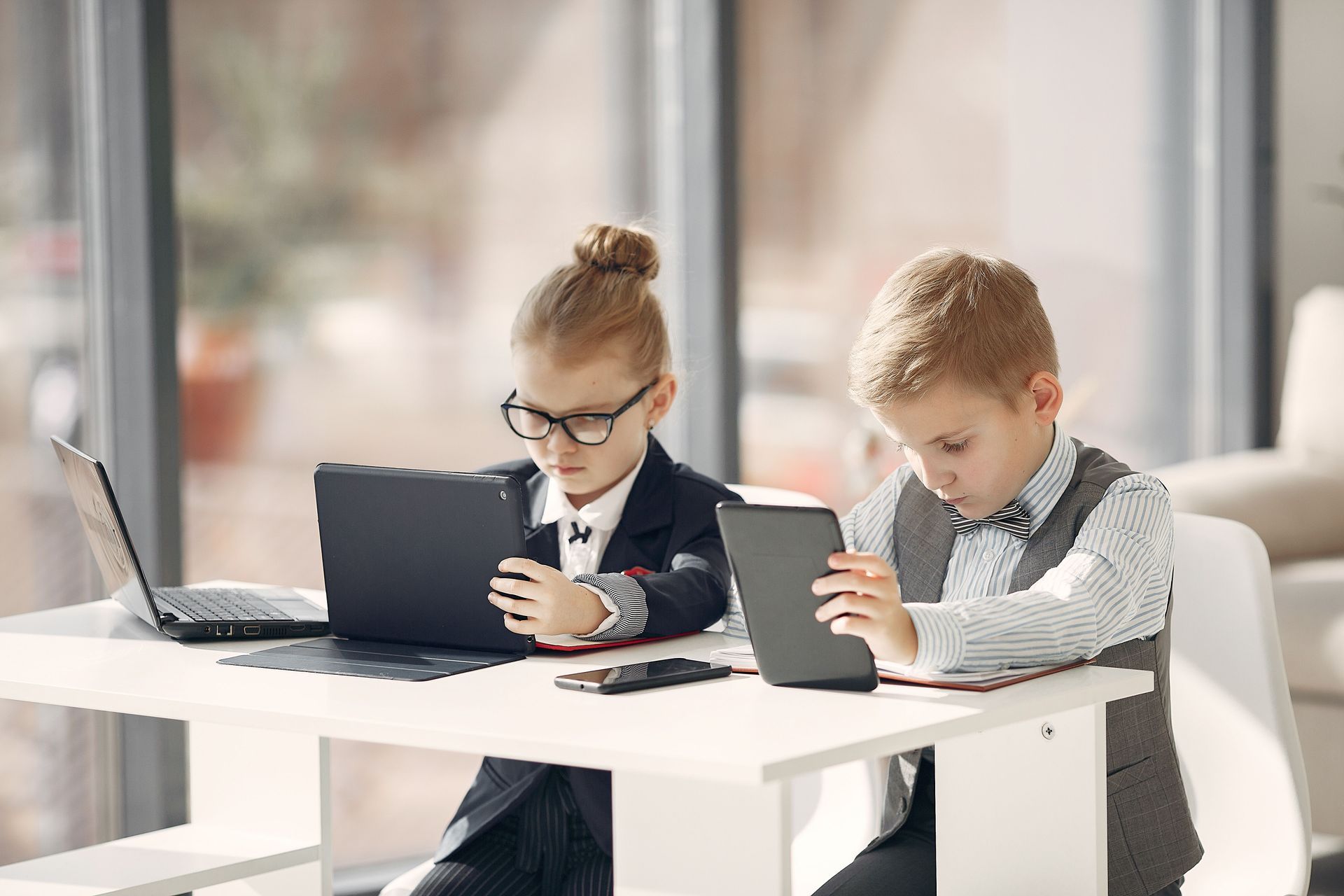
Technology is part of our children’s world.
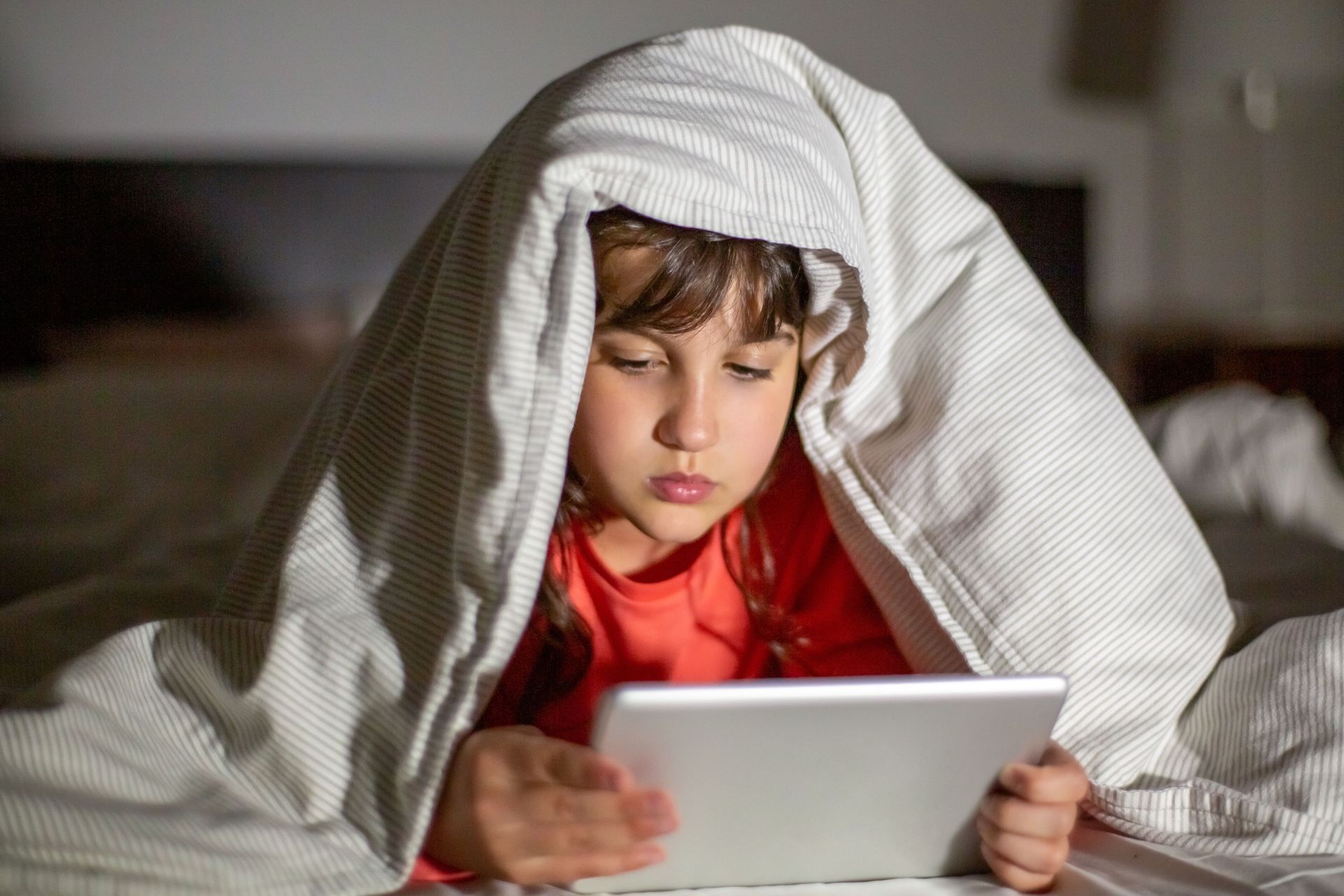
Why counting hours cannot tell us whether a child’s digital life is healthy
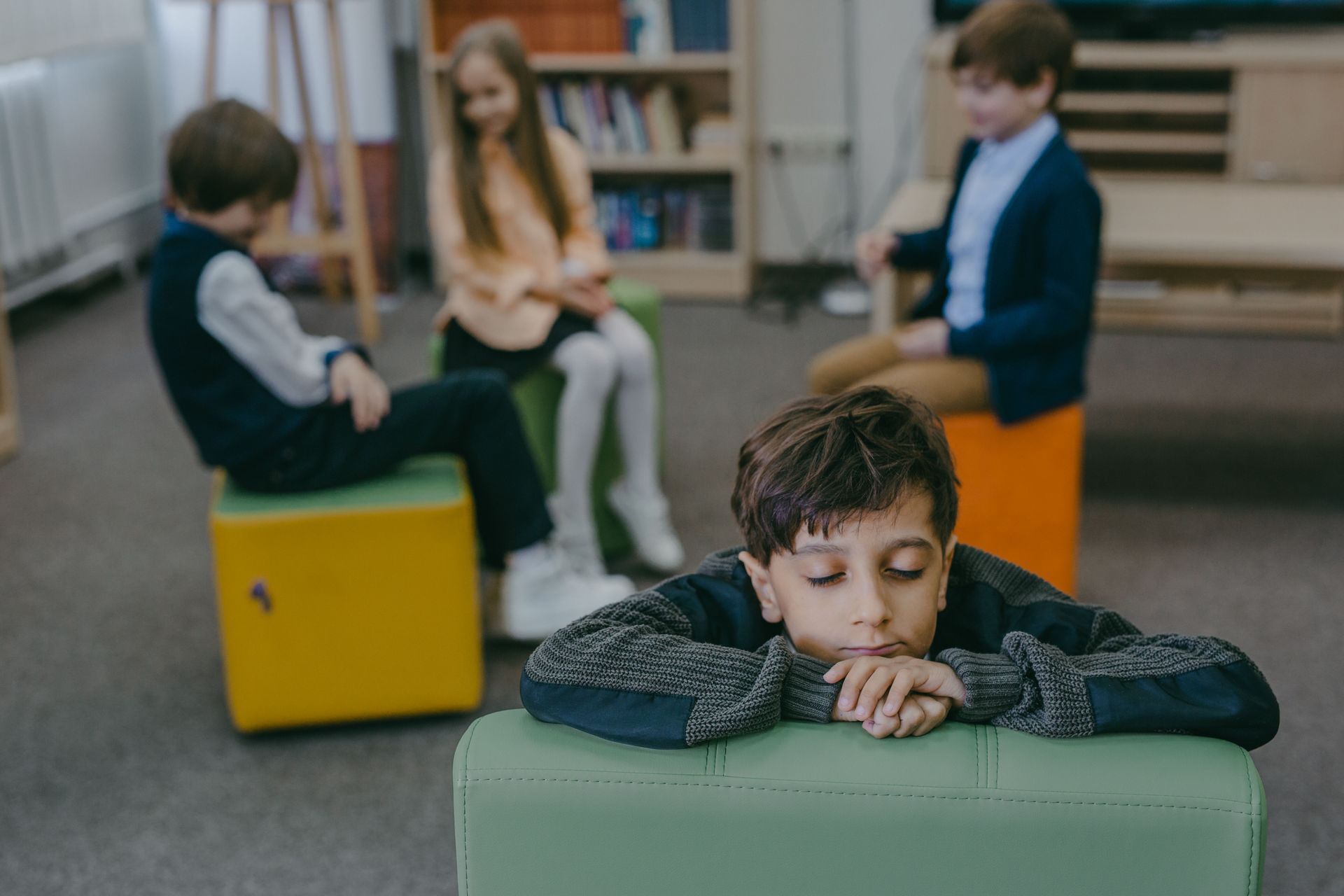
We say that children learn differently, then continue measuring almost all of them against the same narrow version of success.
For some learners, this works beautifully. They manage the subjects, examinations and pace of a traditional academic school route and move towards matric with a growing sense of possibility.
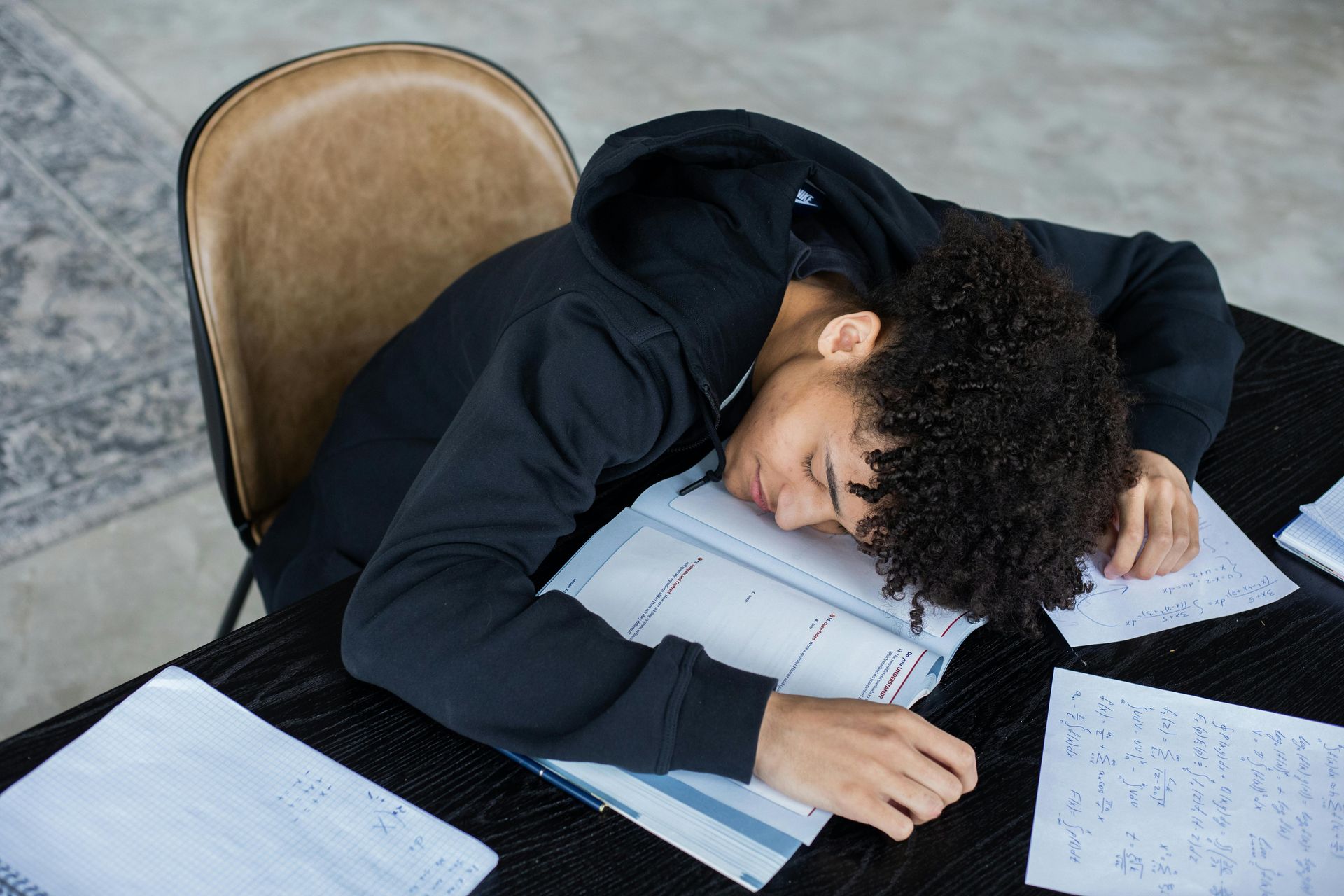
For twelve years, almost everything is measured.
Parents often recognise that their child is struggling long before they have a name for what is happening. What they need is a way into the information that begins with the child and the difficulty in front of them.