Dysgraphia in Children: Signs, Support and What Helps at School
Key Takeaways
- Dysgraphia is a learning difference, not a reflection of effort or intelligence.
- Signs include avoidance of writing, inconsistent handwriting and a gap between spoken and written ability.
- Writing draws on multiple skills at once, making it genuinely difficult for children with dysgraphia.
- Occupational therapy and remedial teaching are both effective supports.
- Accommodations at school protect learning while underlying skills are developed.
- Early assessment leads to earlier, better-targeted support.
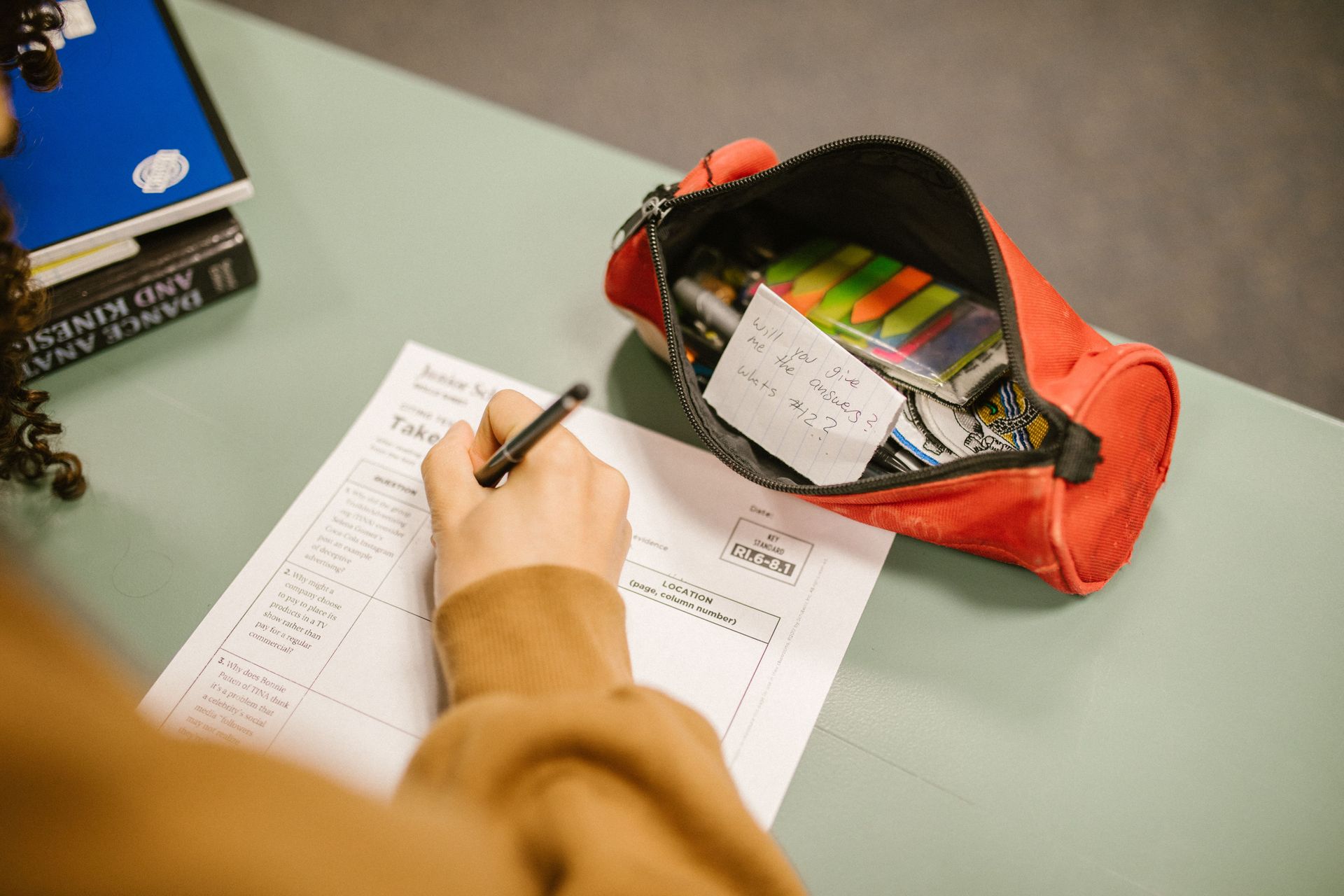
Have you seen your child avoid writing, tire quickly with a pencil or produce work that doesn’t reflect what they know? While this can be interpreted as a sign of laziness or carelessness, it could also be dysgraphia. Dysgraphia in children is a learning difference that affects the physical and cognitive process of writing. It’s much more common than many parents realise and it’s well supported when the right help is in place. This article covers the signs, support at home and school and practical next steps for your family to follow. It’s general educational information and not a diagnosis or medical advice.
What Is Dysgraphia?
Dysgraphia affects a child's ability to produce written work consistently and accurately. It can impact spelling, handwriting, spacing and the ability to get ideas onto paper in a fluent manner. The effort required to complete a task can often leave children exhausted and, over time, their confidence can take a knock. Dysgraphia is one of several learning differences that can affect how a child performs at school. Read more about how learning differences show up at school to understand the broader picture.
Signs of Dysgraphia at Different Ages
Dysgraphia signs vary by age. However, there are some common indicators. These can include:
- Awkward or uncomfortable pencil grip
- Letters that are inconsistent in size, spacing or formation
- Tiring quickly during writing tasks
- Avoiding written work or becoming distressed by it
- A clear gap between spoken ideas and what appears on the page
- Difficulty copying from the board
What are the signs of dysgraphia in children that parents often miss? Avoidance is one of the biggest. When writing hurts or feels impossible, children tend to look for ways around it. However, it’s important to note that signs alone don’t confirm dysgraphia. A qualified professional should always assess any child who is showing persistent difficulties.
Why Handwriting Can Be So Hard
Why does my child hate writing? For many children with dysgraphia, writing requires fine motor control, memory, planning and visual perception to work together at once. When one or more of these processes doesn’t come automatically, every writing task becomes a significant effort. Understanding how visual perception affects reading and learning helps explain why written work can feel so much harder than expected.
Dysgraphia vs Dyspraxia
Dysgraphia vs dyspraxia is a common question for many parents and families. Both can affect writing, but they are different conditions. Dysgraphia is specifically a writing difficulty. Dyspraxia affects motor coordination more broadly, including movement, balance and planning physical actions. A child can have one, the other or even both. Our guide to dissecting dyspraxia gives a clear breakdown of how the two compare against one another.
Support at Home
How to help a child with dysgraphia at home doesn’t need to be complicated. Some low-pressure strategies include:
- Keep writing tasks short and purposeful
- Offer keyboard or voice-to-text as an alternative where possible
- Try fine motor activities like building, threading or clay work
- Praise ideas and content, not neatness
- Avoid timed writing tasks at home whenever possible
Consistency and patience matter more than volume.
Support at School: Occupational Therapy and Remedial Teaching
Does occupational therapy help with dysgraphia? Yes. Occupational therapy in schools targets the fine motor, sensory and coordination skills that underpin writing. It builds the physical foundation that makes writing more manageable over time. Alongside this, specialist remedial teaching supports written work at a curriculum level. This helps children access learning while their writing skills develop.
Accommodations and Tools That Help
School accommodations for dysgraphia can make a significant difference to daily learning. Common support includes:
- Extra time for written assessments
- Permission to type rather than handwrite
- Speech-to-text tools
- Graph paper for maths and structured writing
- Reduced copying tasks
- A scribe where appropriate
These handwriting difficulties children experience don’t have to limit academic achievement. When the right tools are in place, children can thrive.
Getting an Assessment and Next Steps
If you are concerned, start by speaking to your child's teacher or school learning support coordinator. An assessment by an occupational therapist or educational psychologist will clarify whether dysgraphia in children is at play and what specific support is needed to help your child. Early assessment means earlier, more targeted help.