Fostering Social Skills in Neurodiverse Kids: Group Activities and Role-Playing Ideas
Strong social skills help children build friendships, communicate effectively, and navigate everyday interactions with confidence. Explore fun group activities and role-playing ideas designed to support neurodiverse children in developing these important life skills.
When children develop strong social skills, they can build friendships, communicate their needs, and feel confident in different environments. For neurodiverse learners, social development may follow a different path. When they receive the right support, children can develop meaningful connections and communication skills. By focusing on structured activities and positive reinforcement, parents and educators can nurture social skills for neurodiverse kids in ways that are engaging, supportive and practical.
Every child interacts with the world in different ways. Some might prefer quieter interactions. Others might need a bit more time to process conversations or social cues. Through structured social learning activities, children are given safe opportunities to practise communication, cooperation and problem-solving in predictable environments.
Understanding Social Skill Development in Neurodiverse Children
Neurodiverse children often experience social interaction differently from their peers. This doesn’t mean that they lack social interest or empathy. It simply means that they might communicate and process social cues in unique ways.
Key characteristics may include:
· Different communication styles
· Processing social cues more slowly
· Preferring structured interactions
· Needing extra time to build confidence in group settings
Effective social development for neurodiverse children focuses on strengths, encouragement and opportunities to practise interaction skills in supportive environments.
Educators who understand neurodiversity often prioritise patience, empathy and flexibility in their teaching approach. These qualities can make a major difference in helping learners feel comfortable participating socially as well as academically.
Why Group Activities Help Build Social Skills
There are valuable opportunities for practising everyday interactions in group settings. When these activities are structured and guided by an educator, children are given the opportunity to focus on learning specific skills without feeling overwhelmed.
Group activities for neurodiverse kids help learners practise taking turns, listening while others speak, cooperation and understanding different perspectives. Predictable activities allow communication skills for children to be developed in a supportive and encouraging setting.
Engaging Group Activities to Encourage Social Interaction
Cooperative Games
Simple cooperative tasks can encourage teamwork and communication. Some examples include team puzzle challenges and building projects where blocks or craft materials must be used. Through these games, children develop teamwork, communication and problem-solving skills. These activities provide a natural and engaging way of teaching social interaction skills.
Story-Building Circles
In this activity, children sit in a circle and take turns adding a sentence to create a group story.
Benefits include:
· Encouraging creativity
· Practising listening
· Learning turn-taking
Story-building is a gentle introduction to social learning activities because it removes the pressure from direct conversation but it still encourages participation.
Emotion Matching Games
Understanding emotions is an important part of social interaction. Some activities include:
· Matching facial expressions to emotions
· Identifying feelings in stories or pictures
The skills developed through these activities include:
· Emotional awareness
· Empathy
· Perspective-taking
These autism social skills activities help children recognise emotional cues in a very structured way.
Group Problem-Solving Activities
Collaborative challenges encourage teamwork and communication. From scavenger hunts to building challenges and team-based puzzles, children develop their cooperation and decision-making skills. Activities like these also help strengthen communication skills for children while making social interaction enjoyable rather than stressful.
Using Role-Playing to Practise Real-Life Social Situations
Role-playing allows children to practise social interactions in a safe and supportive environment. By acting out common scenarios, children can rehearse responses and gain confidence before encountering similar situations in real life.
Some of the benefits include:
· Rehearsing everyday interactions
· Building confidence
· Improving communication
Role-playing is especially effective when teaching social skills for neurodiverse kids, as it creates predictable situations where expectations are clear.
Role-Playing Scenarios for Social Skill Development
Practising Greetings and Introductions
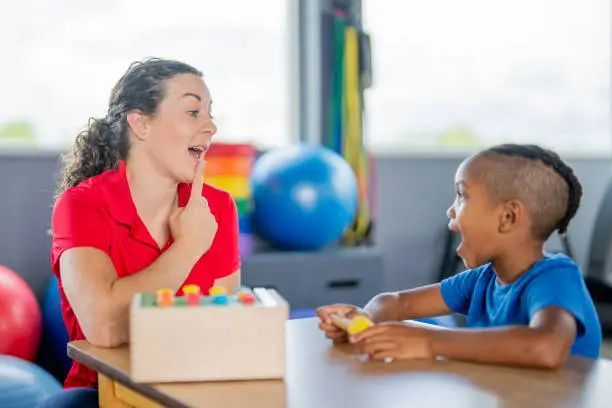
Children can role-play meeting a new classmate or neighbour. Through these interactions, children learn to greet others, start conversations and be comfortable with eye contact.
Taking Turns in Conversations
Practice short conversations where children ask questions and respond. By doing this, children learn to listen carefully, respond appropriately and maintain a flow of conversation. These exercises help strengthen communication skills in everyday situations.
Problem-Solving Social Conflicts
From sharing toys, resolving misunderstandings and asking for help, children can act out scenarios to assist them with conflict resolution, emotional awareness and problem-solving.
Role-playing conflict scenarios is an effective way of teaching social interaction skills while maintaining a supportive atmosphere.
Navigating Everyday Situations
Practise common situations such as:
· Ordering food
· Asking a teacher for help
· Joining a group activity
Through this practise, children build their confidence, develop independence and enhance their communication skills.
Tips for Making Social Skill Activities Successful
To help children feel comfortable participating in these types of activities, consider the following:
· Keep activities structured and predictable
· Provide clear instructions and demonstrations
· Encourage participation without pressure
· Celebrate effort and progress
Positive reinforcement builds confidence and helps children associate social interaction with positive experiences.
Educators who combine these strategies with empathy and strong relationship-building skills often create classrooms where neurodiverse learners feel valued and supported. Developing these qualities in educators is an important part of building inclusive learning environments.
Step-by-Step Tips for Parents
Parents can support the social development of their neurodiverse children by practising simple social skills at home.
Step 1: Start with familiar situations
Practise greetings or conversations with family members first.
Step 2: Use role-play regularly
Act out everyday situations such as meeting a new friend or asking for help.
Step 3: Encourage small group interactions
Playdates or small group activities can provide comfortable social practice.
Step 4: Model communication skills
Children learn by observing how adults interact respectfully.
Step 5: Celebrate small successes
Positive reinforcement helps build confidence over time.
Supporting Social Skills at Home and School
Consistency across home and school environments helps children reinforce what they learn. Some helpful strategies include:
· Practising conversations during daily routines
· Creating opportunities for cooperative play
· Collaborating with teachers or facilitators
· Modelling respectful communication
In some cases, children may benefit from specialised learning environments that provide smaller classes and additional social support when traditional school settings become overwhelming.
Creating Inclusive Spaces for Social Development
Inclusive environments are key to helping children feel safe as well as valued. This means recognising that social interaction may look different for each learner.
Supportive environments encourage:
· Respect for different communication styles
· Peer empathy and understanding
· Strength-based development rather than focusing on limitations
When children feel accepted, they tend to be more willing to practise new social skills and build meaningful relationships.
Final Thoughts: Helping Neurodiverse Kids Build Confidence and Connection
Developing social skills for neurodiverse kids takes time, patience and a lot of encouragement. Through engaging, structured group activities and consistent social learning activities, children can practise communication and interaction skills in supportive environments.
Every child progresses at their own pace, and small steps often lead to meaningful growth. With thoughtful guidance, understanding and inclusive support, children can develop confidence, strengthen their communication skills and build lasting connections with the people around them.