
Occupational Therapy
18 May 2022
Join Dr Greg Pienaar and the occupational therapist team of The Bridge Assisted Learning School.

Meet The Bridge Morningside therapy team and see how speech, OT and psychology work together to support neurodivergent learners at school.
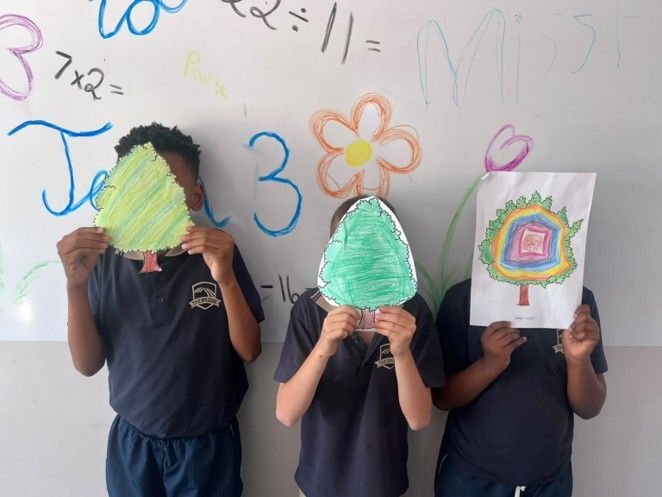
Emotional wellbeing, Emotional expression, Creative activities, Child-led support

When anxiety hides behind behaviour

Understanding Sensory Load

A plain-language guide to occupational therapy, speech and language therapy, and psychological support in schools — what parents need to know.

Help children manage big feelings at school with this practical guide to self-regulation — calming strategies, emotional awareness & advice for parents.

One of the more confusing things about children is how extraordinarily capable they can be in one moment and completely unable to manage something apparently simple in the next.

Technology is part of our children’s world.

Why counting hours cannot tell us whether a child’s digital life is healthy

We say that children learn differently, then continue measuring almost all of them against the same narrow version of success.
For some learners, this works beautifully. They manage the subjects, examinations and pace of a traditional academic school route and move towards matric with a growing sense of possibility.