Caring for the Carer: Why Teacher Wellness Matters
Teaching is deeply rewarding, but it also comes with emotional and professional demands that can affect wellbeing. Explore why supporting teacher wellness is essential for creating healthier classrooms, stronger schools, and better outcomes for learners.
Teachers are often described as the heart of a school. They nurture, inspire, guide, encourage, support, and advocate for learners every day. Yet, in the midst of meeting the diverse academic, emotional, behavioural, and social needs of students, teachers frequently place their own wellbeing at the bottom of the priority list.
The concept of "caring for the carer" acknowledges a simple but powerful truth: those who dedicate their days to supporting, guiding, and caring for others must also be afforded the time, space, and support to care for themselves. Teacher wellbeing is not a luxury or an optional extra. It is a fundamental component of a healthy educational environment. Research consistently demonstrates that teacher wellbeing is associated with increased job satisfaction, reduced burnout, greater occupational commitment, improved classroom effectiveness, and positive student outcomes. When educators feel emotionally supported, connected, and valued, they are better equipped to meet the daily demands of the profession and create positive learning environments for their learners. Conversely, chronic stress and emotional exhaustion contribute significantly to teacher burnout, absenteeism, and staff turnover (Zhou, Slemp & Vella-Brodrick, 2024).
Wellness as Prevention Rather than Intervention. Historically, many approaches to teacher wellbeing have focused on managing stress once difficulties arise. However, contemporary research highlights the value of proactive and preventative wellbeing initiatives that strengthen resilience, foster connection, and promote positive workplace cultures before burnout develops (Vo & Allen, 2022; Cann et al., 2024).
Wellness initiatives are particularly effective when they create opportunities for social connection, reflection, gratitude, and positive emotional experiences. These experiences help satisfy fundamental psychological needs for belonging, competence, and autonomy, all of which are closely linked to wellbeing, engagement, and job satisfaction (Wang et al., 2025).
During our school's Wellness Month, we intentionally created opportunities for teachers to reconnect with themselves, with one another, and with the qualities that make them such valuable members of our school community. Seeing Ourselves Through the Eyes of Others
One of the most meaningful activities involved a reflective art exercise focused on self-perception and identity.
Each teacher received a blank page and was asked to draw an image representing how they perceive themselves. For some, this took the form of a self-portrait; for others, an abstract representation captured aspects of their personality, strengths, challenges, and experiences. Alongside their drawing, they wrote words describing how they believed others saw them. Teachers then exchanged their pages with a colleague. On the reverse side, the colleague created a drawing representing how they perceived that person and wrote words describing their strengths, qualities, and contributions.
The reflections that followed were powerful.
Many teachers noticed significant differences between how they viewed themselves and how others experienced them. Individuals who described themselves as "not good enough" were seen by colleagues as resilient, compassionate, creative, patient, or inspiring. Others recognised strengths they had never consciously acknowledged.
This activity reflects principles from positive psychology, which emphasises identifying and building upon strengths rather than focusing solely on deficits. Research shows that strengths-based approaches can improve wellbeing, foster positive emotions, strengthen workplace relationships, and enhance resilience (Vo & Allen, 2022).
The exercise also encouraged self-awareness and self-compassion. Teachers reflected on questions such as:
- How do I see myself?
- How do others experience me?
- What strengths do I underestimate?
- What qualities would I like others to see more clearly?
- How would I like to be perceived?
Creating space for these conversations fostered vulnerability, authenticity, and meaningful connection among colleagues—qualities that are often overlooked in busy educational environments. The Power of Positive Affirmation Another initiative involved creating individual affirmation canvases for every teacher. Each staff member received a canvas on which colleagues wrote positive affirmations, messages of appreciation, and reflections about the unique qualities they brought to the school community. Throughout the process, teachers shared words of gratitude, encouragement, and recognition. While the activity appeared simple, its impact was profound.
Research consistently highlights the importance of workplace belonging and social support as protective factors against stress and burnout. Positive workplace relationships contribute significantly to overall wellbeing, resilience, and professional satisfaction (Zhou et al., 2024). Teachers spend much of their day encouraging, motivating, and affirming learners. Yet they rarely pause to recognise the value they bring to those around them. The affirmation wall created an opportunity to shift this narrative. Many teachers reported feeling genuinely seen, appreciated, and valued. For some, the words written by colleagues served as a reminder of strengths they had forgotten or qualities they had never recognised in themselves.
Gratitude and affirmation practices have been shown to increase positive emotions, strengthen social bonds, and improve psychological wellbeing. These positive emotional experiences build what researchers refer to as emotional resources, helping individuals better navigate future challenges and stressors (Vo & Allen, 2022; Cann et al., 2024).
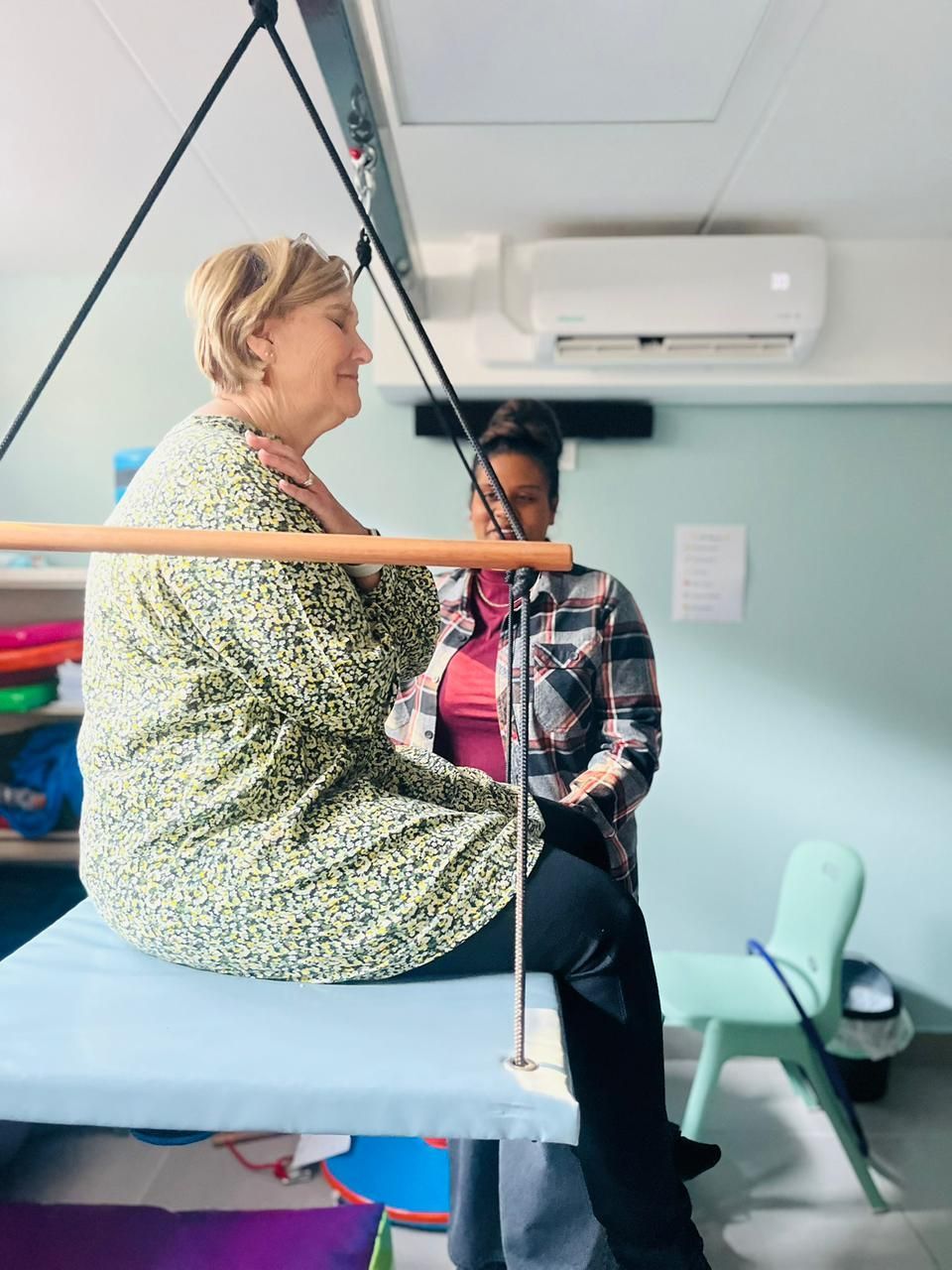
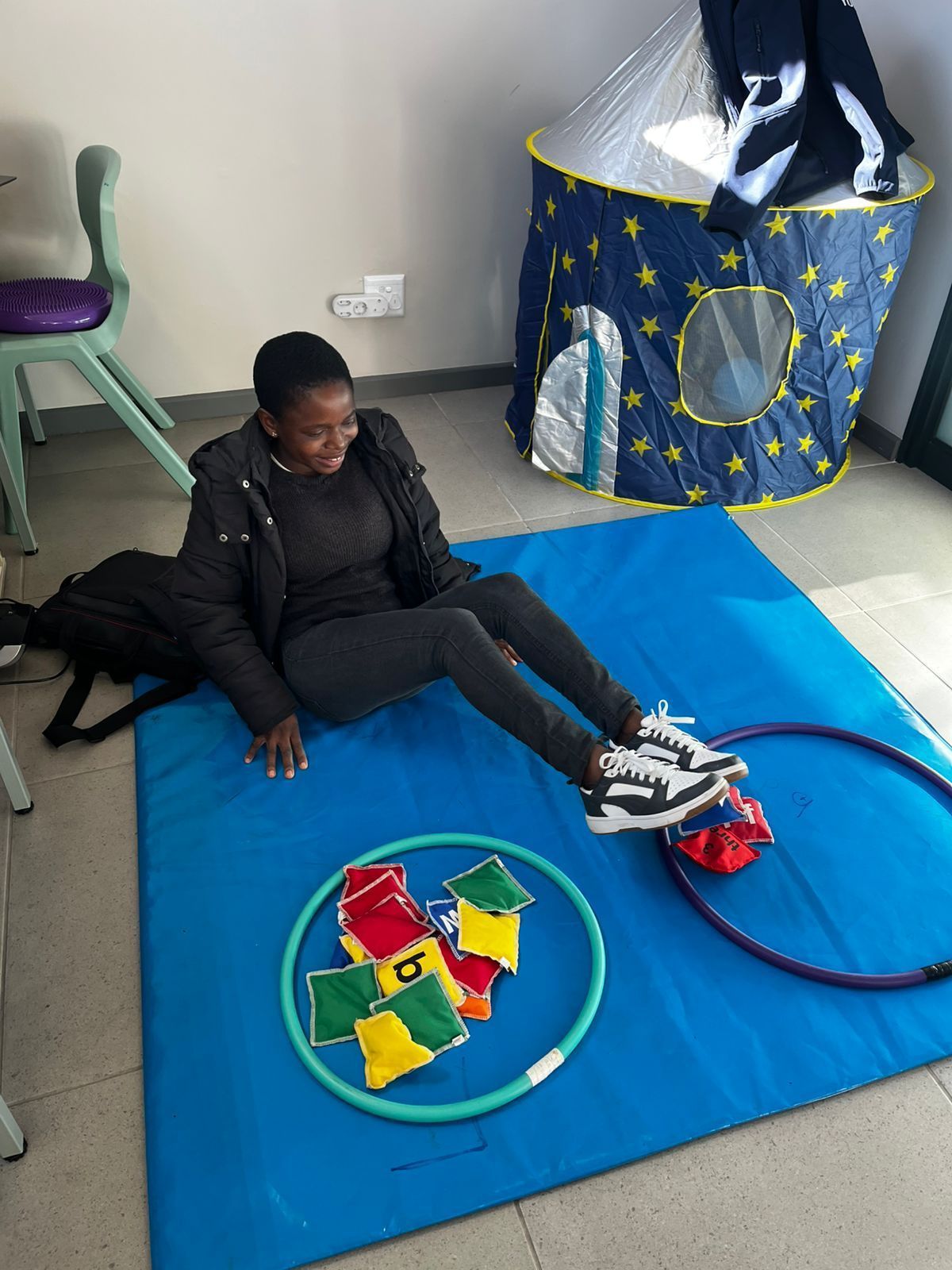
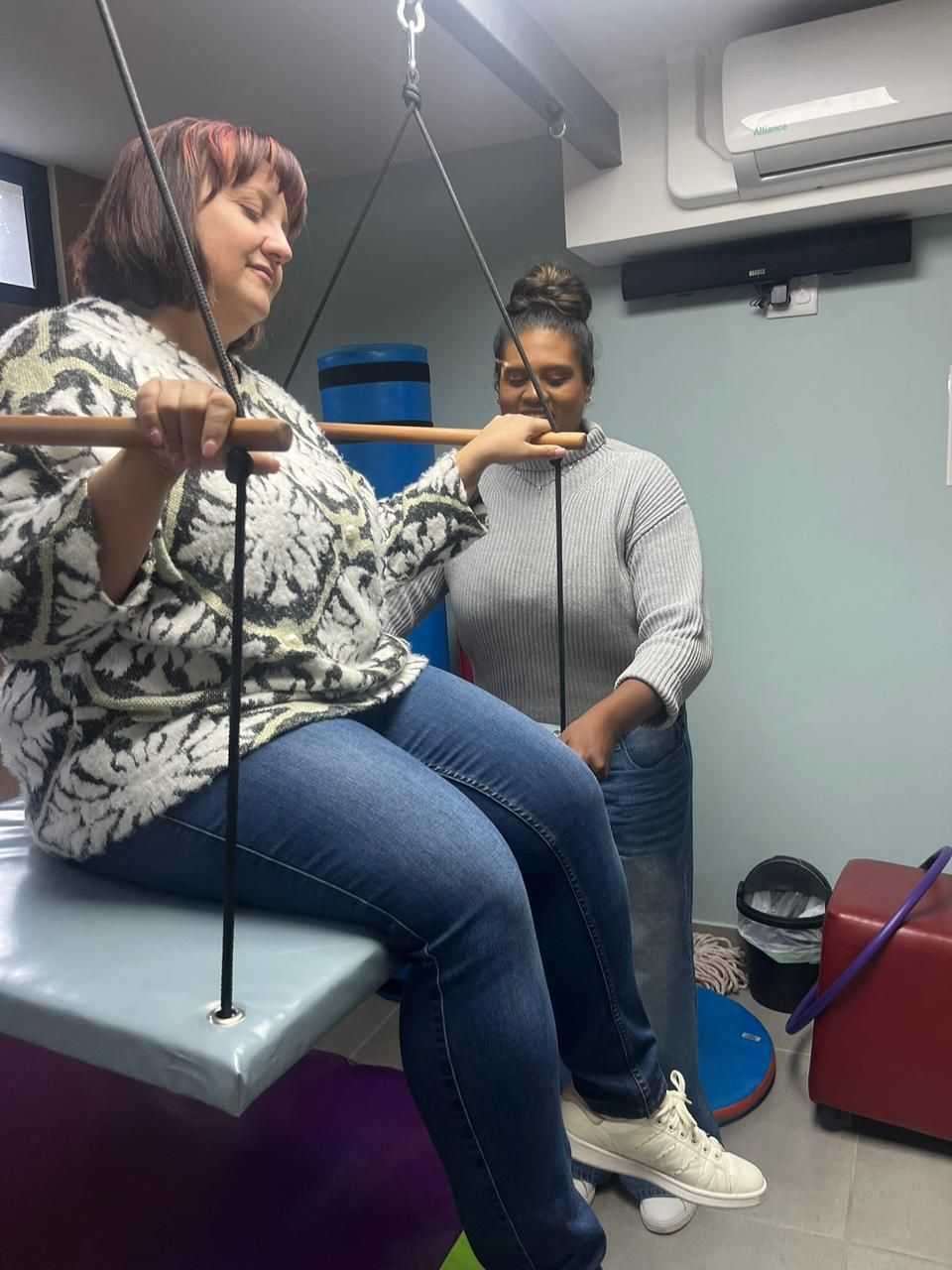
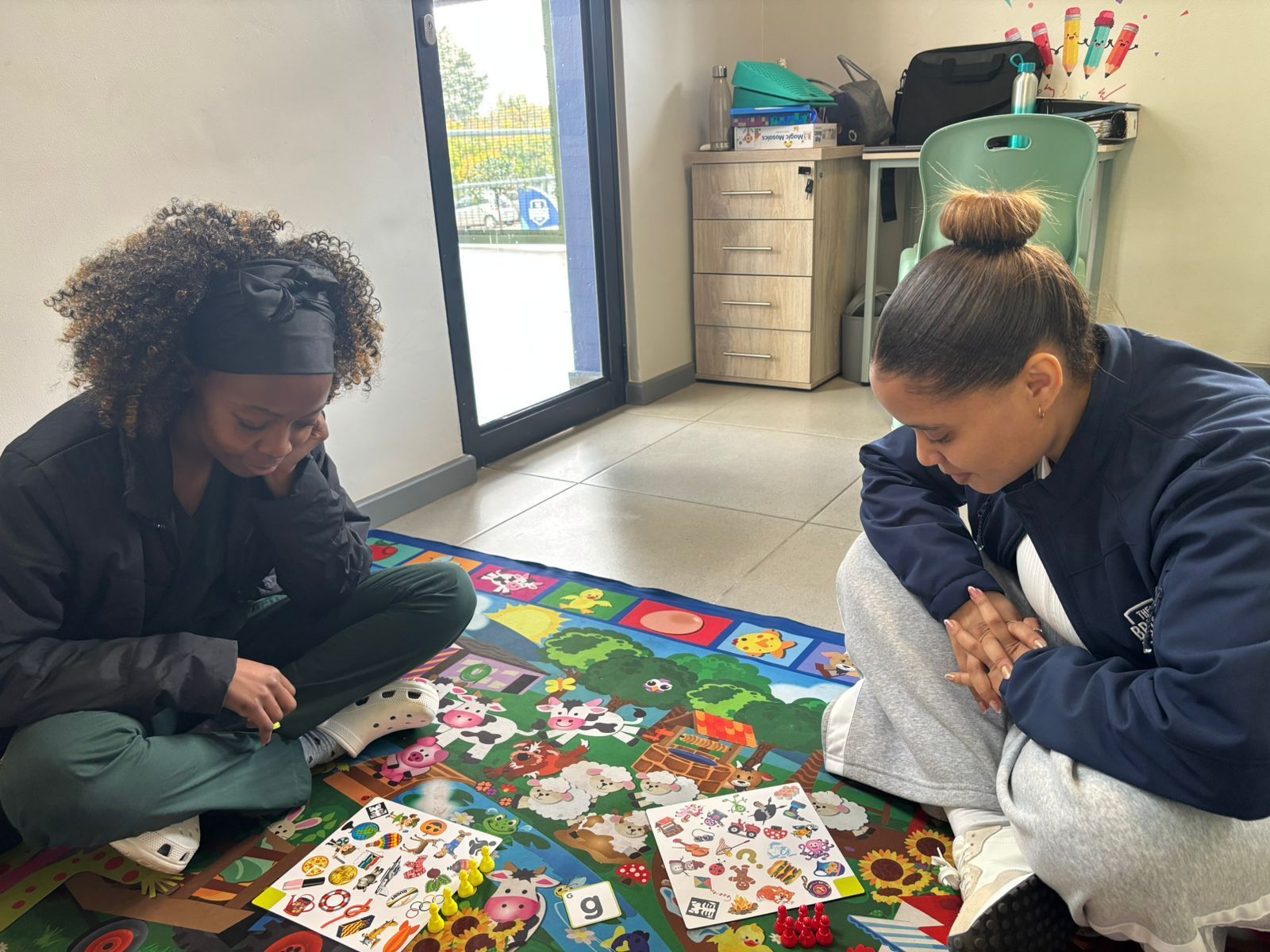
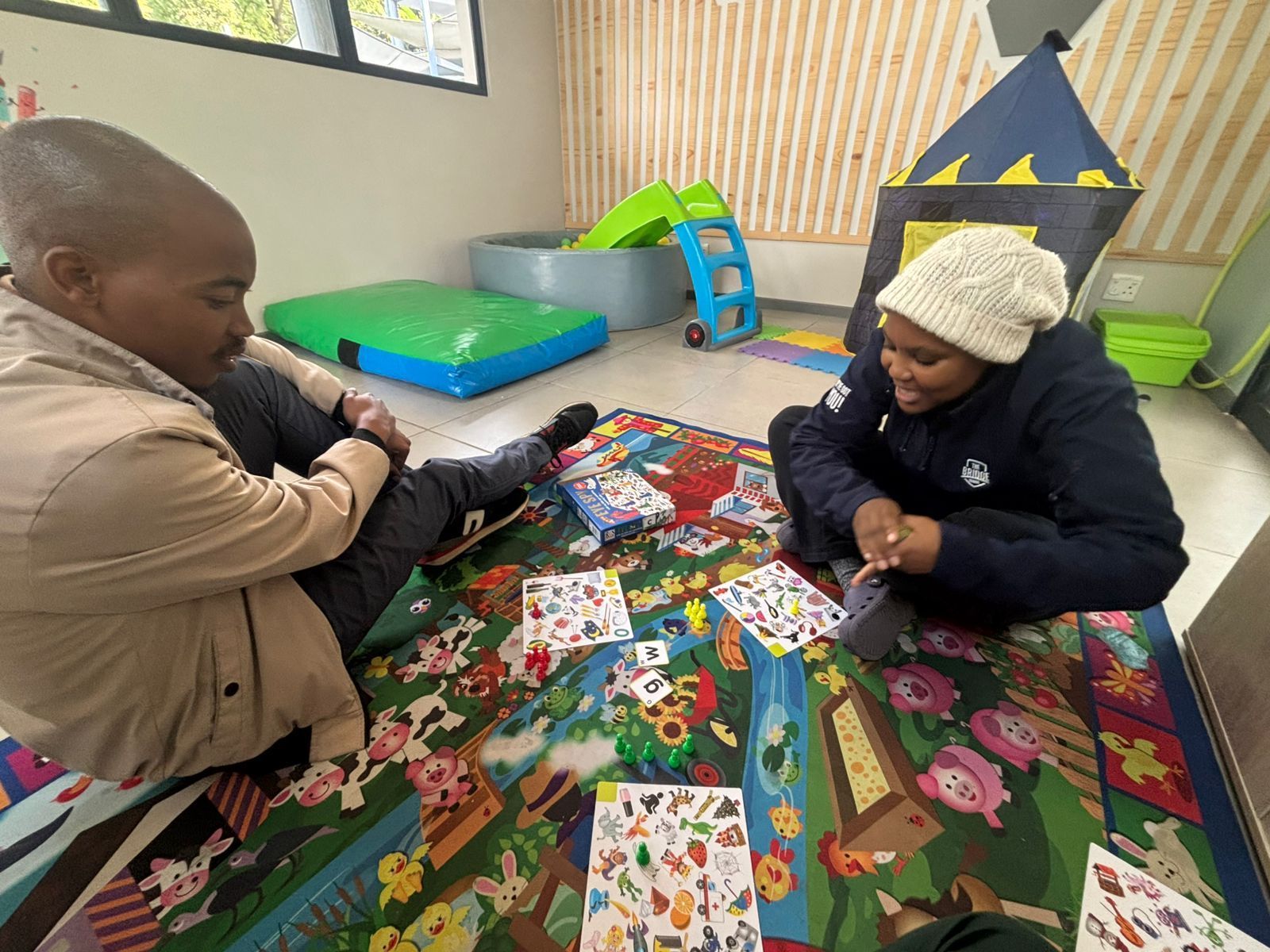
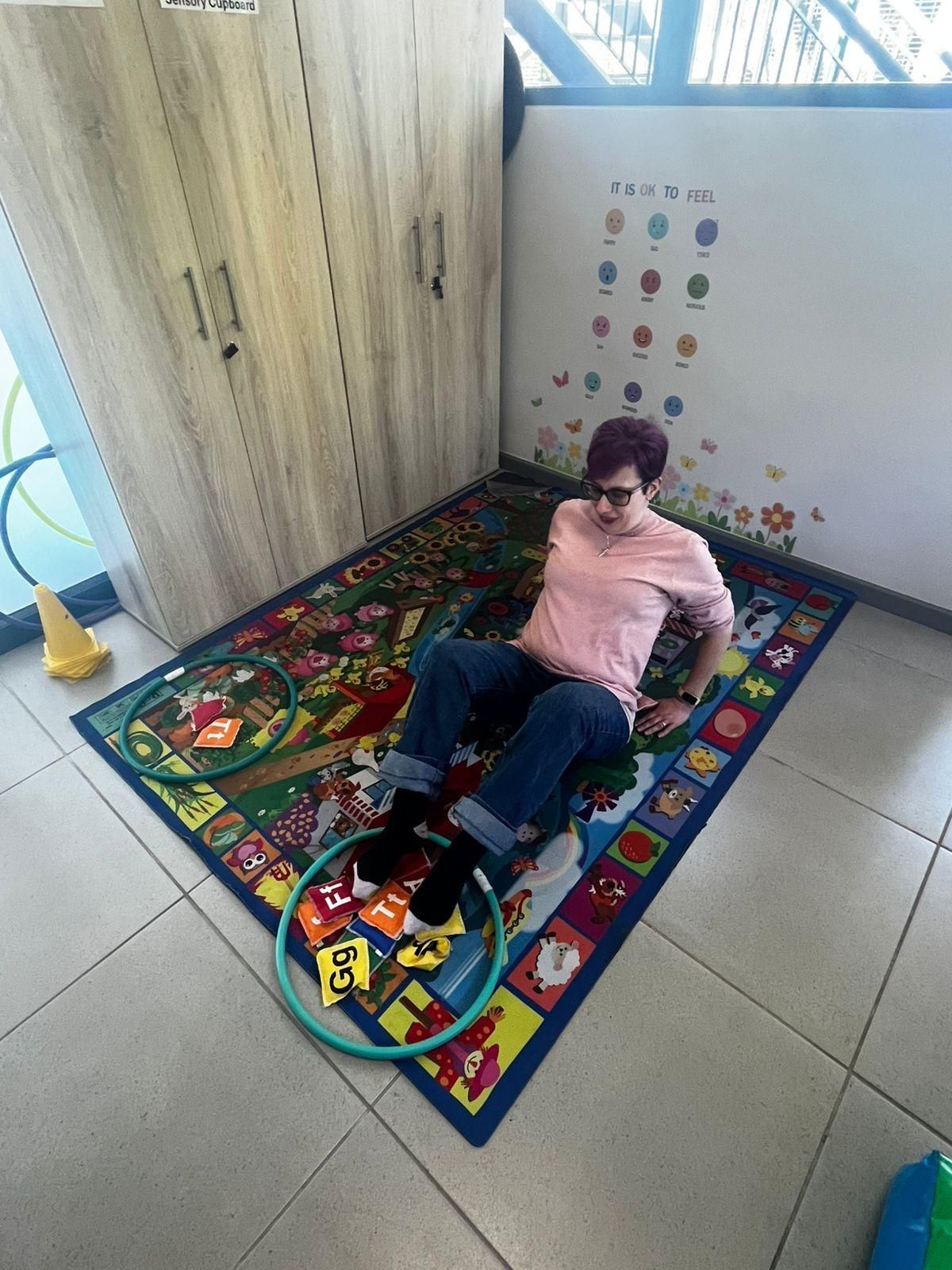
Reconnecting with the Inner Child Through Play Perhaps one of the most joyful initiatives was our therapeutic play drive.
Teachers were invited to participate in a 20-minute play-based session facilitated by Occupational Therapists and Speech Therapists. The purpose was simple: to reconnect with their inner child. Through games, creative activities, movement, laughter, imagination, and shared experiences, teachers stepped away from lesson plans, deadlines, assessments, meetings, and administrative responsibilities. For a brief period, they were simply allowed to play. As adults, play is often viewed as a luxury rather than a necessity. Yet research increasingly demonstrates that play remains important throughout the lifespan. Play supports creativity, emotional regulation, problem-solving, social connection, flexibility, and stress reduction.
Engaging in enjoyable and intrinsically motivating activities activates positive emotional states and can help counteract the physiological effects of chronic stress. Research suggests that interventions promoting positive emotions, social connection, and psychological wellbeing can significantly improve teachers' occupational wellbeing while reducing burnout symptoms (Beames et al., 2023; Agyapong et al., 2023).
The laughter heard during these sessions served as a reminder that joy itself can be therapeutic. In a profession that often prioritises productivity and performance, creating opportunities for fun, connection, and play can be a powerful act of self-care.
Why Wellness Initiatives Matter. Teacher wellness initiatives should not be viewed as once-off events or superficial morale boosters. They are meaningful investments in people. Evidence from systematic reviews and meta-analyses demonstrates that wellbeing interventions can improve teachers' overall wellbeing, reduce stress and burnout, strengthen workplace relationships, increase resilience, and enhance engagement within the profession (Wang et al., 2025; Beames et al., 2023).
When teachers feel valued, connected, and supported, the benefits extend far beyond the staff room. Teacher wellbeing positively influences classroom climate, learner engagement, educational quality, and school culture as a whole.
The success of our Wellness Month served as a powerful reminder that caring for teachers is not separate from caring for learners—it is an essential part of it.
By intentionally investing in the wellbeing of those who educate, nurture, inspire, and support our children, we strengthen the entire school community. After all, when teachers flourish, schools flourish too.
By Tashka Munisamy, Occupational Therapist