Understanding The impact of Poorly Developed Visual Perception Skills On Learning and Reading
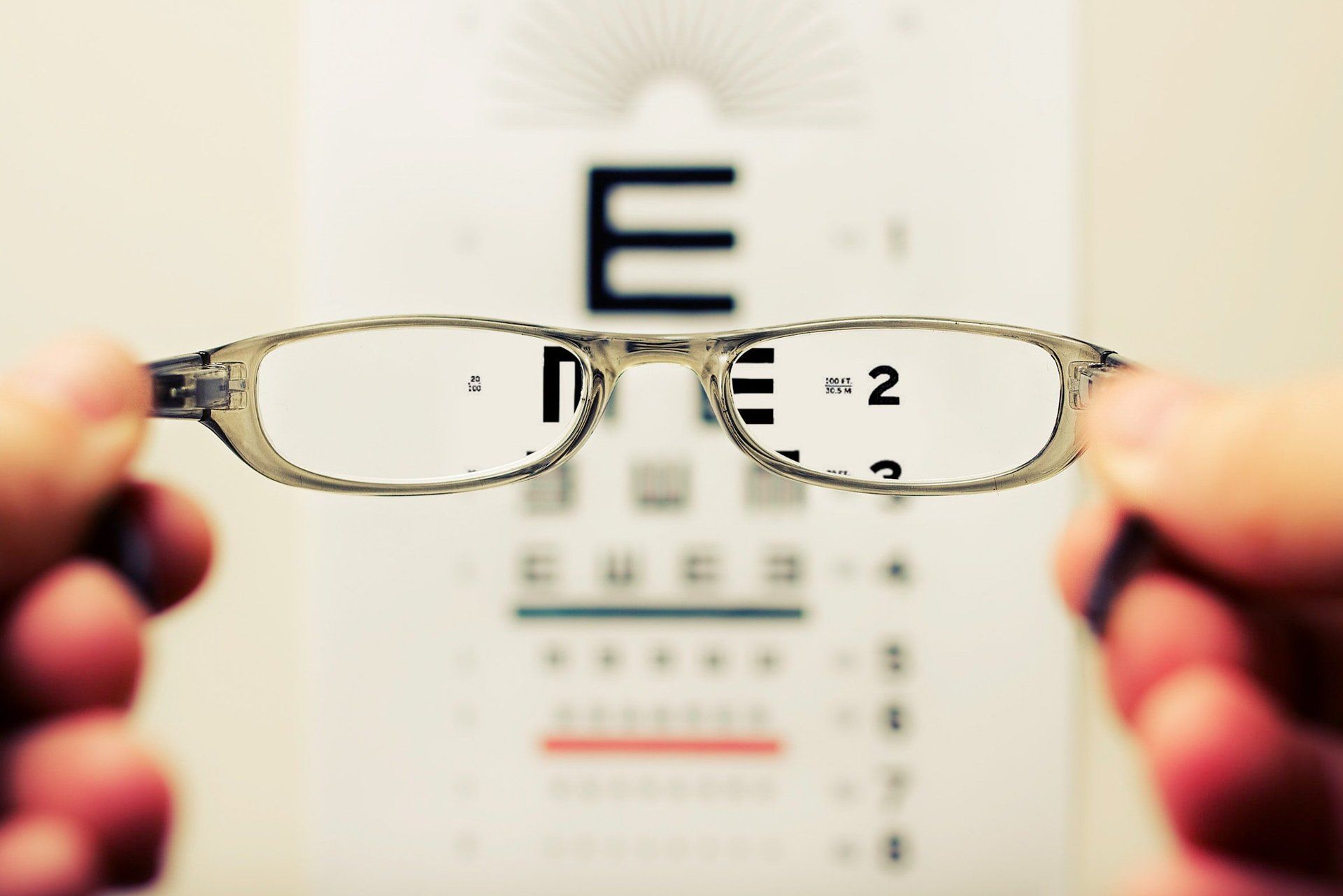
Many educators would agree that there is a close connection between vision and learning. Much of what a child learns is through the visual system, as this is our most influential sense. If we consider that reading and writing, along with using computers and problem solving are all visual tasks that children perform daily, one could agree that much learning takes place through our eyes. Coupled with letter recognition and retention and handwriting, it becomes clear how a poorly developed vision system can impact on what and how a child learns. Visual processing issues present with life-long challenges; however, it is not considered a “learning disability”. It not only affects what a child learns, but also the capability to execute commonplace tasks such as sorting a variety of objects or playing a soccer game. This may lead to socialization problems or frustration and withdrawal.
Most children are very excited about learning to read. Visual processing is one of the most important cognitive skills and it includes the ability to discriminate between foreground and background, position in space and size, shape and colour. Children who have visual processing issues find it difficult to see the difference between letters. These letters may also appear in the wrong sequence. Research has found that between 2 and 20 percent of U.S. school going children have some type of reading disorder. This has been linked to an immature visual system. When a child is learning to read letters, numbers and words, these are seen through the eyes, but processed through the brain. So, the visual system does not only refer to the eyes, but includes the brain too.
The vestibular system, which is like an internal GPS system, works hand-in-hand with the visual system. If the vestibular system is underdeveloped, letters and numbers may appear to dance around on the page or even appear backwards. This may hamper reading progress and may, initially, be interpreted as a ‘reading problem’. It could also be confused with an eye sight problem, yet the child has perfect 20/20 vision. The real problem is one of visual processing. In order to support information recall and retention, visual processing needs to be strengthened. This would be done by including movement into a child’s daily routine. Movement builds eye-hand co-ordination, core muscles and gross motor, which in turn supports the vestibular system. This in turn strengthens their visual memory and visual motor skills.
Because a child uses visual processing daily for reading, writing and mathematics, experiencing difficulties may result in poor attention in class or a lack of self-confidence.
So what can we as teachers and parents do to help children who have a poorly developed visual system? Torch Tag can be played at home just before bedtime. In the dark bedroom, shine a torch light on the wall, moving in haphazard patterns. The child must follow this pattern, using their own torch. This activity is fun and will strengthen eye tracking as well as visual motor skills. Swing Toss is a game played while the child is swinging. While holding a hula hoop, stand in front of the child a short distance away. As the child is swinging, they throw a fluffy toy, bean bag or such like toy into the hoop. This will boost balance, core strength, sensory integration and visual motor skills.
Written by Michelle Rowland
Frequently Asked Questions
What are visual perception skills and why are they important for learning?
Visual perception skills are cognitive abilities that help children discriminate between foreground and background, recognize position in space, and identify size, shape, and color. These skills are crucial for learning because much of what children learn comes through the visual system, including reading, writing, and problem-solving tasks that are performed daily in educational settings.
How do poorly developed visual perception skills affect reading ability?
Children with underdeveloped visual perception skills often struggle to see differences between letters, which may appear in wrong sequences or seem to move on the page. This makes reading difficult and can be mistaken for traditional reading problems, even when the child has perfect 20/20 vision, as the issue lies in visual processing rather than eyesight.
What percentage of children experience visual processing difficulties?
Research indicates that between 2 and 20 percent of U.S. school-going children have some type of reading disorder linked to an immature visual system. Visual processing issues present lifelong challenges and can significantly impact a child's learning capabilities, though they are not classified as learning disabilities.
Can visual perception problems be confused with other learning issues?
Yes, visual perception difficulties are often misidentified as reading problems or eyesight issues. Children may have perfect vision but still struggle with visual processing, where information is seen through the eyes but processed incorrectly by the brain. This confusion can delay proper intervention and support for affected children.
How does the vestibular system relate to visual perception and reading?
The vestibular system works like an internal GPS and functions hand-in-hand with the visual system. When underdeveloped, it can cause letters and numbers to appear to dance around on the page or appear backwards, hampering reading progress and creating difficulties that may initially seem like traditional reading problems.
What activities can help strengthen visual perception skills at home?
Simple games like Torch Tag can improve visual skills – shine a flashlight on the wall in random patterns while your child follows with their own torch in a dark room. This fun bedtime activity strengthens eye tracking and visual motor skills, supporting overall visual development.
How can movement help improve visual processing abilities?
Movement builds eye-hand coordination, core muscles, and gross motor skills, which support the vestibular system and strengthen visual memory. Activities like Swing Toss, where children throw objects into hoops while swinging, boost balance, core strength, sensory integration, and visual motor skills essential for learning.
What are the behavioral signs that a child may have visual perception difficulties?
Children with visual processing issues may show poor attention in class, lack of self-confidence, difficulty with sorting objects, challenges in sports activities, and problems with reading and mathematics. These difficulties can lead to frustration, withdrawal, and socialization problems if not properly addressed through targeted interventions.