Raising cheetahs: How the right environment helps gifted children thrive
Raising cheetahs: How the right environment helps gifted children thrive
Some gifted children spend years feeling like there is something wrong with them when the real problem is that the environment around them was never built for the way they think.
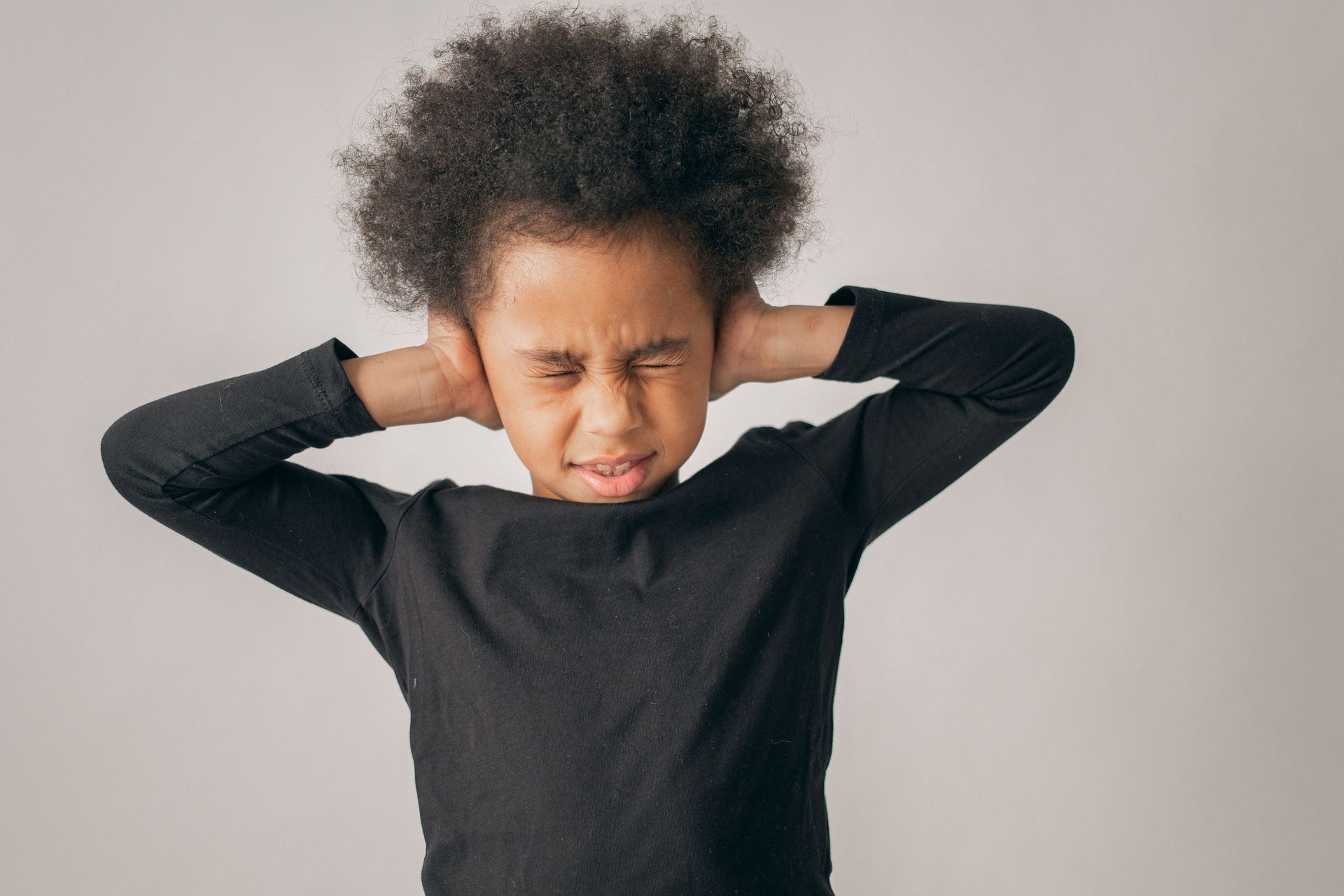
These are often the children adults describe as “too much”, “too sensitive”, “easily distracted”, “argumentative” or “emotionally intense” long before anybody stops to ask why the child is carrying so much tension in the first place. The children asking enormous questions at eight years old. The children reading years ahead academically while still forgetting where they left their shoes. The children who can explain black holes, philosophy or human behaviour in extraordinary depth, then completely unravel because somebody changed the routine unexpectedly.
Gifted children do not always fit neatly into traditional classrooms, and many do not present in the polished, high-achieving way people expect.
Some are the children finishing everybody else’s sentences. Some are constantly correcting adults. Some are anxious wrecks by ten years old. Some have already learned that asking too many questions makes people uncomfortable.
Some are anxious. Some are autistic. Some have ADHD, OCD or learning differences alongside their giftedness. Many are what we call twice-exceptional, or 2E, meaning they are both gifted and neurodivergent.
That combination is often deeply misunderstood, particularly in school systems that are still built around sameness, compliance and standardisation.
Years ago, when I first started working with gifted children, I came across Stephanie S. Tolan’s remarkable essay, Is It a Cheetah? The metaphor stayed with me because it explained something I was already seeing in classrooms again and again.
Tolan compares gifted children to cheetahs: extraordinary creatures designed for speed, intensity and movement. A cheetah in the wild is powerful and instinctively built to run. But place that same cheetah in the wrong environment and suddenly the very traits that make it extraordinary begin creating problems instead.
The cheetah does not stop being a cheetah because it is trapped in a zoo enclosure.
It simply cannot do what it was built to do.
That metaphor feels painfully accurate for many gifted children.
A child can be highly intelligent and still struggle enormously in environments built around repetition, rigid pacing and keeping everybody moving together at the same speed. Some become disruptive because they are under-stimulated. Others disappear quietly into boredom, anxiety or the strange kind of learned invisibility some gifted children develop after realising life becomes easier when they stop showing how much they actually know. Some begin masking their abilities socially because standing out feels unsafe. Others become emotionally exhausted from constantly trying to adapt themselves to environments that never quite fit.
Too often, adults focus only on the visible struggles while missing the deeper picture entirely.
A child may be labelled lazy when they are profoundly disengaged. A child may appear inattentive when their brain is desperate for challenge or complexity. A child may be called dramatic when they are actually experiencing the world with unusual emotional intensity.
Gifted children are frequently uneven in their development too, and that unevenness confuses adults constantly.
A child may discuss politics or existential questions far beyond their years and still completely fall apart because their sock feels wrong or their routine changed unexpectedly.
That unevenness is real.
So is the emotional intensity many gifted children carry.
One of the biggest misconceptions about giftedness is that intelligence automatically makes life easier.
In reality, many gifted children spend years feeling:
- misunderstood
- emotionally overwhelmed
- anxious
- isolated
- under-stimulated
- frustrated
- exhausted from masking or underperforming
Some become perfectionistic because they are terrified of failure.
Others disengage completely after years of boredom and repetition.
Some start underperforming deliberately because being the “smart kid” becomes socially exhausting.
Giftedness does not protect children from difficulty.
Sometimes it creates entirely different kinds of difficulty.
The answer is not to overload gifted children academically or treat them like tiny adults.
It is to understand them properly.
The right environment is not about pressure, endless achievement or producing perfect report cards.
It is about classrooms and homes where curiosity is not treated like a problem to manage.
Where deep thinking is allowed instead of constantly rushed.
Where emotional needs are not dismissed simply because the child is bright.
Gifted children still need emotional support, regulation, flexibility, understanding, connection and room to fail safely.
In some ways, they may need those things even more than people expect.
Sometimes they need those things more than people realise.
I often think about how many gifted children spend years trying to make themselves smaller so they fit more comfortably into spaces that were never really designed for them to begin with.
And how different some of those children look once somebody finally stops treating the child themselves as the problem.
Not fixed. Not “managed”. Understood.
If you have never read Stephanie S. Tolan’s Is It a Cheetah?, it remains one of the most powerful pieces ever written about gifted children and the importance of environment. Its message feels just as important today as it did when it was first written.
You can read the full essay here: https://www.stephanietolan.com/is-it-a-cheetah.htm