Environment before effort
A Bridge Hub resource on how environments can support or undermine learning
A practical Bridge Hub resource on how sensory, emotional, and physical conditions can either support learning or quietly work against it.
You can have a child at the table, book open, pencil in hand, snack eaten, instructions given, and still get absolutely nowhere.
From the outside, it can look baffling. They were fine five minutes ago. They know the work. They have done something similar before. The obvious distractions are gone. The television is off. The dog is outside. Everyone has, in theory, done what they are supposed to do. Then suddenly somebody is sighing, fidgeting, staring into space, reading the same sentence again and again, or bursting into tears over what looks like nothing.
It is very easy to assume the problem is focus, attitude, laziness, avoidance, or lack of self-discipline. Very often, it is none of those things. Very often, the environment got there first.
Learning does not happen in a vacuum. It happens in a body, in a room, at a certain time of day, under a particular set of sensory and emotional conditions. If those conditions are working against the learner, the brain is already using energy before the actual task has even begun.
For some children, that cost is small. For others, it changes everything.
What “environment” really means
When people hear the word environment, they often think of the physical room. That matters, but it is only part of the picture.
Environment also includes sound, light, clothing, hunger, timing, transitions, emotional tone, visual clutter, temperature, body comfort, and whether the child knows what is expected of them. It includes how long the task feels, whether an adult nearby is calm or tense, and whether the learner feels watched, rushed, criticised, or supported.
A room can be too noisy, obviously, but it can also be too quiet. A chair can be fine for one child and unbearable for another after ten minutes. A scratchy jersey, a flickering light, a sibling humming in the next room, the smell of supper cooking, the dread of not knowing how long homework will take — none of these things looks dramatic on its own. Put a few of them together and suddenly the child is not just doing homework anymore. They are trying to think while managing discomfort, distraction, and low-grade stress all at once.
That is why one child works best at a desk, another on the floor, another at the kitchen counter, and another wrapped in a blanket with headphones on and the dog nearby. It is not always about preference in the casual sense. It is often about regulation.
Why this gets misread so often
Adults tend to judge effort by appearance. If a child is sitting upright, looking compliant, and staying still, we feel reassured. If they are upside down on the couch, doodling while listening, fiddling with Blu Tack, pacing while they revise, or asking to wear headphones, it can look as though they are not taking the task seriously.
In reality, that child may be doing a much better job of protecting the conditions their brain needs in order to work.
That is one of the most important things to understand about neurodiversity and learning: the route into focus is not the same for everybody.
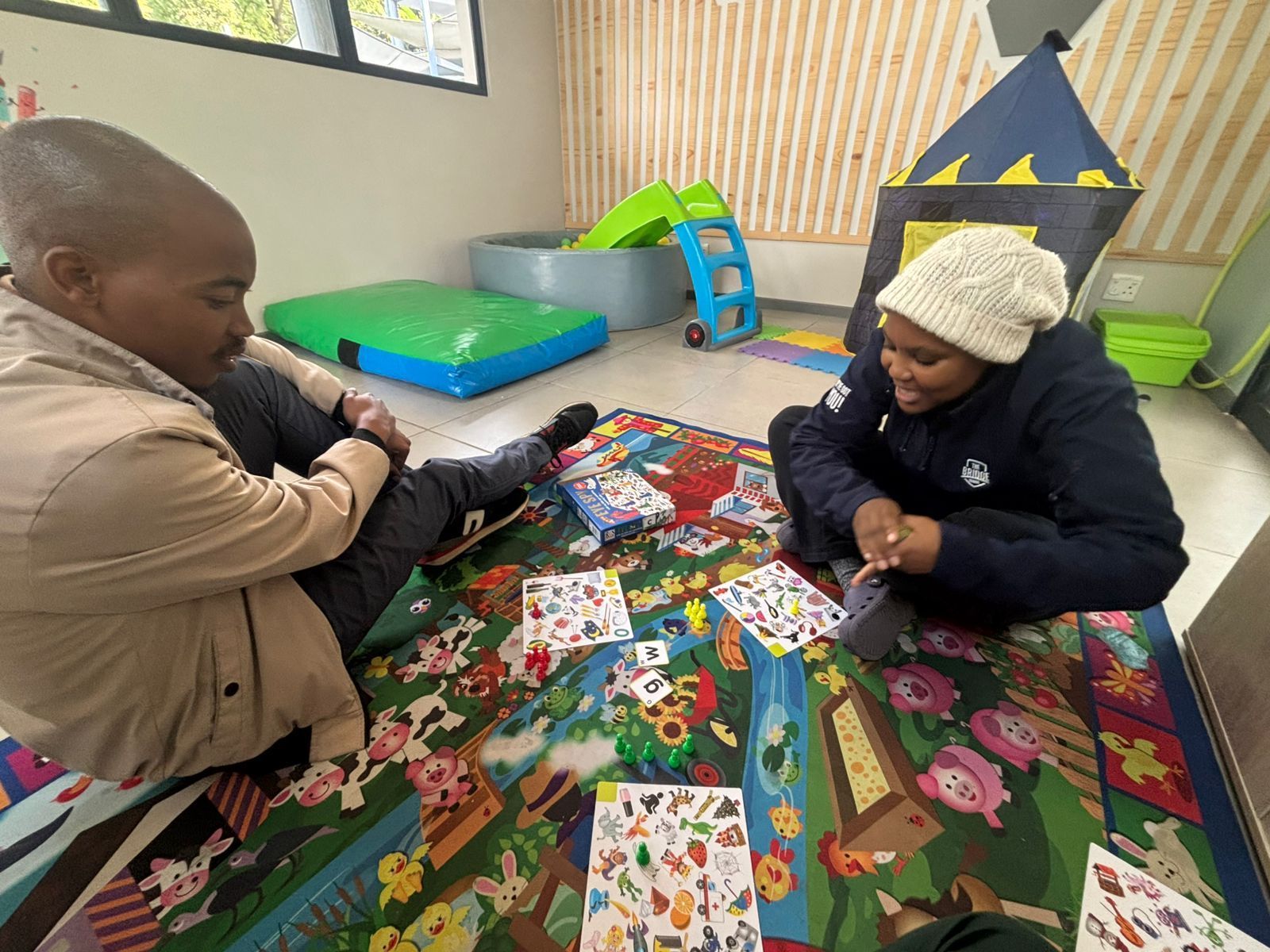
Some children need less sensory input. Some need more. Some need movement before they can think. Some need movement while they think. Some need another person nearby, not to help, not to talk, just to anchor the moment. Many families discover this long before they know the term body doubling. It is the child who somehow works better when someone is folding washing in the same room.
Once you understand this properly, the conversation changes. Instead of asking, Why is he being so difficult? or Why can’t she ever just focus? you start asking, What in this setup is making it harder for this brain to settle?
That is a much more useful question.
Did you know?
• Stillness is not the same as concentration. Many children think better while moving, stretching, rocking, doodling, fiddling, or changing position.
• Silence is not always calming. For some learners, a completely silent room makes every small sound feel enormous. Gentle background sound can sometimes help.
• Homework battles are often about setup, not content. A child may be fully capable of doing the work and still fall apart because the conditions around the work are draining them.
• A child who looks dreamy, avoidant, or lazy may already be working extremely hard just to screen out noise, sit with discomfort, hold onto instructions, and stop themselves from becoming overwhelmed.
Signs that the environment may be part of the problem
• A child who knows the content but falls apart when it is time to start.
• A learner who reads the same line repeatedly and still cannot take it in.
• Work that always seems harder at one time of day than another.
• A child who becomes much more settled when they are allowed to move, change position, chew something, or listen to background sound.
• Frequent tears, irritability, or shutdown during tasks that are well within the child’s actual ability.
• A child who can focus beautifully on something they love in the right conditions, but cannot seem to access that same focus for schoolwork.
Small changes that can make a big difference
You do not usually need a perfect study space, expensive equipment, or a colour-coded Pinterest setup. Often, the best changes are small, observant, and specific to the child in front of you.
Play with sound.
Some children need quiet. Others do better with low music, white noise, nature sounds, or the ordinary hum of household life. Some love noise-cancelling headphones. Others hate them. There is no universal rule here.
Rethink seating.
A desk is not compulsory. Some learners work better on the floor, on a beanbag, at the counter, standing up, kneeling on a chair, or using a lap desk. The goal is not traditional posture. The goal is access.
Build in movement.
Movement is not always a break from learning. Sometimes it is what makes learning possible. A child may do better after bouncing on a trampoline, walking around the garden, carrying laundry, doing star jumps, or pacing while they memorise.
Reduce visual overload.
Too much on the page or too much on the desk can quietly derail a child before they begin. Cover part of the worksheet. Clear the table. Use a reading strip. Show one step at a time.
Check body comfort.
Is the room too hot? Is the chair hard? Are the clothes irritating? Is there glare on the page? Have they eaten? Are they thirsty? These sound basic, but they matter more than adults often admit.
Make the task feel finite.
A lot of children resist work that feels endless. Break it into visible pieces. Say, First these three questions, then a break. Let them see what done looks like.
Use calm company.
Some learners work better when someone sits nearby without hovering. No constant reminders. No dramatic sighing. No five-minute speeches about effort. Just steady presence.
Practical ideas to try at home
Create a small focus menu with your child. This can include choices like headphones, chewing gum, a weighted item, a timer, background music, a movement break, working beside someone, sitting on the floor, or using a whiteboard. The point is to discover what helps.
Keep a simple pattern journal for a week. Note the time of day, where they were working, what the noise level was like, whether they had eaten, how the task went, and what helped. Patterns often appear quickly.
Try a regulation-first start. Instead of launching straight into homework, begin with settling. Snack, movement, toilet, outside air, quiet time, bouncing, or a few minutes with a pet can change the whole tone of what follows.
Let different subjects live in different conditions. Reading may work well on the couch. Maths may need a table. Oral revision might work best in the car. Spelling might be easier on a whiteboard in the kitchen than in an exercise book at a desk.
Use novelty when energy dips. Coloured pens, sticky notes, chalk outside, verbal games, scavenger hunts, or answer cards around the room can wake up a tired brain.
Lower the pressure of the blank page. Give a sentence starter. Offer a choice of which question to do first. Write down the first idea together. Sometimes initiation is the hardest part.
Protect recovery time after school. Some children have spent the whole day masking, coping, and holding it together. They may need to land before they can perform again.
What parents often notice once they start looking differently
They notice that the child who cannot focus can spend an hour building Lego, drawing, coding, baking, or researching dinosaurs in complete concentration when the sensory conditions are right and the task feels safe.
They notice that tears happen faster on noisy days, rushed days, hungry days, and days with too many transitions.
They notice that one small change, softer lighting, a snack first, sitting nearby without interfering, allowing movement, reducing clutter, can remove half the resistance.
They notice that what looked like defiance was often overload wearing a bad disguise.
And they notice, sometimes with a real pang, that when the environment becomes more workable, the child often looks more capable, more cooperative, and more emotionally available. The child did not suddenly become a different person. The conditions stopped tripping them up at every step.
Quick wins
• Offer snack, water, toilet, and movement before starting.
• Reduce visual clutter on the page and the desk.
• Use short chunks with visible breaks.
• Let the child choose from two or three workspace options.
• Sit nearby calmly instead of supervising intensely.
• Notice what happens on the good days, not only on the difficult ones.
A question worth coming back to
When a child is struggling to learn, it helps to ask:
What is this environment asking their brain and body to cope with before the actual learning has even started?
That question opens far more doors than, Why aren’t they trying?
It leads towards observation instead of blame, adjustment instead of pressure, and problem-solving instead of daily battles. It also leaves room for one of the most important truths in neurodiverse learning: a child can be bright, willing, and capable, and still be completely thrown by the wrong conditions.
The environment will not solve everything. Some tasks are still hard. Some days are still messy. Some learners still need more support, more breaks, different expectations, or deeper intervention. But once you stop treating the environment as neutral background and start seeing it as an active part of learning, things usually become easier to understand and easier to support.
And that helps far more than making homework look tidy.