Boosting Kids’ Critical Thinking: A Parent’s Guide to Promoting Independent Thought
Critical thinking helps children analyse information, solve problems, and make confident decisions independently. Discover practical ways to encourage curiosity, questioning, and independent thought in everyday life.
About two years ago, I left the classroom to embark on a new adventure as a writer and education consultant. While I love the new challenges that my new role brings, I will always be grateful for the treasured time I spent engaging with a roomful of kids who were all mine, all year long. I often stroll down memory lane, recalling the vibrant chatter and unexpected conversations. And it very often serves as food for thought. How can my new role add value, inspire teachers and parents and continue contributing to the big picture?
I recall a particular day with my grade 4 class that stands out. We had delved into a heated discussion on climate change, a topic that, even at their young age, seemed to elicit strong reactions from them. Each student had a lot to contribute, their little faces full of determination and conviction as they voiced their opinions.
On the surface, this was fantastic – kids who were engaged and wanted to share their perspectives. That should be a cause for celebration, right? But as I listened more closely, something started to bother me. It became apparent that much of what they were saying felt…recycled. The passion was theirs, yes, but the words and arguments? They seemed to echo what they’d heard elsewhere, perhaps from their parents, the media, or even other teachers. There was a sense of parroting rather than genuinely understanding or analysing the information they discussed.
It was then I realised the crucial role we play as educators. It’s not enough to just fill our students with facts, figures, and information, expecting them to accept it at face value. Yes, we need to provide them with knowledge, but we must also teach them how to engage with that knowledge.
Filtering through the chaos
Ever peek into the pandemonium of social media platforms or, worse, a family WhatsApp group? Misinformation is passed around like hot potatoes, often without a moment’s pause for scrutiny. Despite questionable sources, you’ve got uncles forwarding every conspiracy theory they find, treating Tweets and memes as gospel truth.
People mistrust their GPS suggesting an unfamiliar route, yet eagerly forward an article to the extended family about how rubbing an onion on your head will cure baldness.
We must arm the next generation with a reliable B.S. detector in this digital whirlwind. Teaching our kids critical thinking is crucial, helping them question, evaluate, and make sound judgments amidst the noise.
Understanding Critical Thinking
Critical thinking may seem like a vague, complicated educational buzzword, but it isn’t. It’s about assessing, analysing, interpreting, and drawing reasoned conclusions from daily information. It’s a life skill that extends beyond acing exams, influencing how our children perceive the world around them and engage with it.
Teaching children how to think critically, question everything, and evaluate the source is more crucial now than ever.
Parents, you are your child’s first and most influential teachers. The intellectual environment you create at home significantly influences your child’s cognitive development.
Fostering critical thinking at home might seem daunting, but here are some practical tools to help:
Encourage Curiosity
Spark their interest by asking thought-provoking questions. Encourage them to remain open-minded and explore different possibilities.
Promote Problem-Solving
Allow them the freedom to brainstorm solutions to their problems. This fosters creativity and a sense of independence.
Incorporate Reflective Thinking
Encourage post-activity reflections. Discuss what worked and what could have been done better.
Make Reading a Habit
Encourage a broad range of reading topics to help them explore different perspectives and broaden their horizons.
Cultivate Resilience
Teach them that it’s okay to make mistakes. What’s more important is what they learn from them.
Need some help?
This doesn’t have to sit on your shoulders alone.
A lot of this happens in small, everyday moments, but it helps when the environment around your child is working with you, not against you. If something isn’t clicking, it’s worth having the conversation with the school. Not in a big formal way, just in the sense of: this is what I’m seeing, this is what helps at home, how do we keep that consistent?
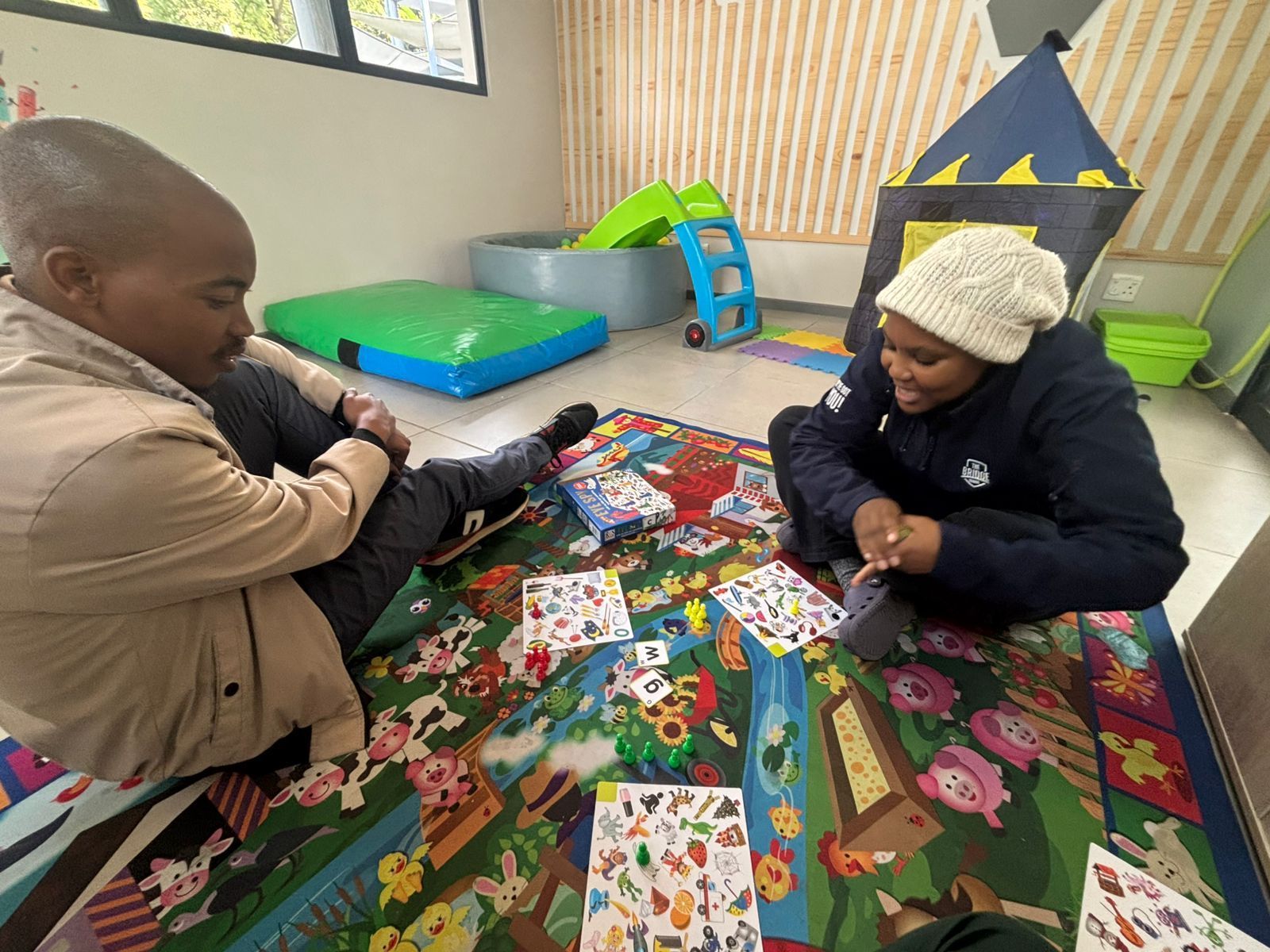
And then, when you need something practical to fall back on, these are the kinds of things that tend to work without turning it into another “lesson”.
Books (that don’t feel like schoolwork)
The Fallacy Detective: Thirty-Eight Lessons on How to Recognize Bad Reasoning
https://www.amazon.com/Fallacy-Detective-Thirty-Eight-Recognize-Reasoning/dp/097453157X
Mind Benders: Deductive Thinking Skills
https://www.criticalthinking.com/mind-benders-book-1.html
How to Think Critically: A Concise Guide
https://www.amazon.com/How-Think-Critically-Concise-Guide/dp/1119190888
Apps (that work because they don’t feel like “thinking practice”)
Thinkrolls: Kings & Queens
https://play.google.com/store/apps/details?id=com.avanquest.thinkrolls2
Brain It On!
https://play.google.com/store/apps/details?id=com.orbital.brainiton
Mystery Math Town
https://apps.apple.com/us/app/mystery-math-town/id495937874
Websites (use sparingly, not as “more work”)
Khan Academy
https://www.khanacademy.org
BrainPOP
https://www.brainpop.com
NASA Kids’ Club
https://www.nasa.gov/kidsclub
Games (this is where most of it actually happens)
Chess
https://www.chess.com
Rush Hour
https://www.thinkfun.com/products/rush-hour/
Clue
https://www.hasbro.com/en-us/product/clue-game
Settlers of Catan
https://www.catan.com
You don’t need to use all of this. Most of the time, it comes down to something much smaller anyway — letting them question things, letting them be wrong without shutting it down, and giving them enough space to work things out instead of stepping in too quickly.
That’s usually where the real thinking starts.